 Pocket Botanist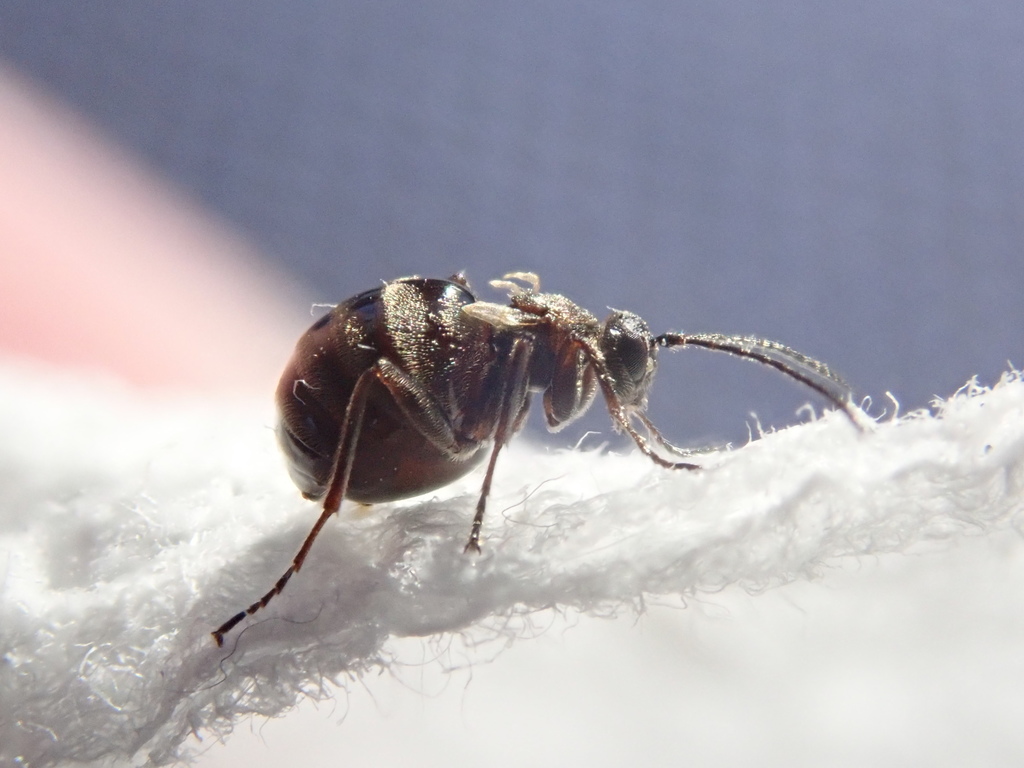
Symptoms by part
Leaves
Small, round, or spiky growths appearing on the surface or underside of the leaf tissue.
Stems
Swollen, woody, or corky bumps that encircle the twigs or branches, sometimes causing minor distortion.
Causes
- The presence of adult female wasps that inject eggs into plant tissue.
- The plant's hormonal reaction to the larvae feeding inside the tissue, which triggers the growth of the protective gall.
Could be confused with
- Fungal Cankers · Cankers usually appear as sunken, dead areas of bark rather than raised, solid growths.
- Bacterial Crown Gall · Crown gall typically forms at the base of the plant near the soil line and has a rough, cauliflower like texture.
Treatment
- Prune out individual branches showing heavy gall infestation during the dormant season.
- Collect and destroy all fallen leaves or twigs that contain galls to prevent emerging adults from completing their cycle.
- Dispose of pruned material in the trash rather than composting it to ensure the larvae do not survive.
Without chemicals
- Pruning affected branches.
- Sanitation by removing leaf litter and debris from beneath the tree canopy.
Preventing it
- Keep the tree vigorous with proper watering during dry spells to help it withstand minor infestations.
- Avoid unnecessary pruning during the peak egg laying period to minimize open wounds on the plant.
Season
The warm growing season when new plant growth is soft and vulnerable to egg laying.
Spread risk
Low
Severity
Low
When to act
Act during the dormant season when the tree is not actively growing and the galls are easy to identify. If a large tree has extensive structural damage, consult a tree surgeon for professional assessment.
Think it's Gall Wasps?
This guide covers the general picture. Pocket Botanist looks at your actual plant from a photo and tells you what's really going on, how serious it is, and what to try first. Identification and a health check are free.


Questions people ask
- Will these galls kill my tree?
- In almost all cases, no. Most gall wasps are a cosmetic issue and do not threaten the life of a mature, healthy tree.
- Should I use a pesticide to get rid of them?
- Pesticides are generally ineffective because the larvae are protected inside the gall tissue, and the damage is usually too minor to justify chemical use.
- Why do the galls change color?
- The color change is a natural part of the gall maturing and drying out as the wasp larvae inside complete their development.
Plants it affects
This guide was generated with AI and is general information, not horticultural advice. Read about how we build these guides.