 Pocket Botanist
Plant guide
Oak.
Quercus
Pronounced KWER-kus
Also known as Acorn, Oak, Oak Tree, Oaks


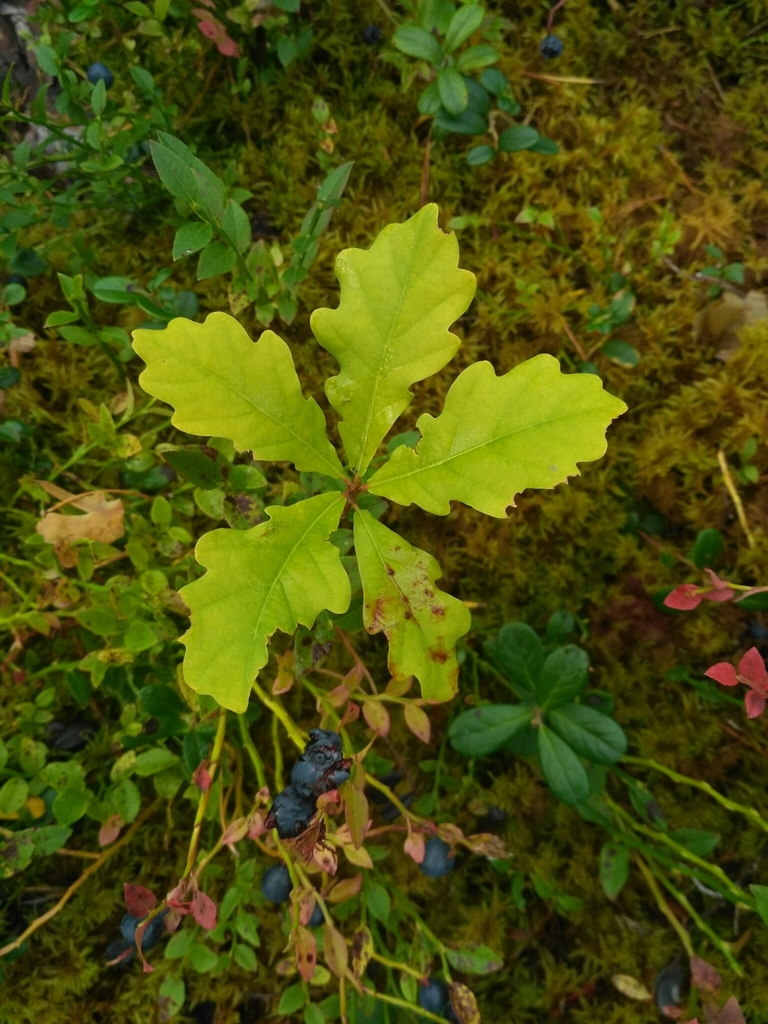
Oaks are iconic, long lived trees that serve as cornerstones for many ecosystems. They come in a wide variety of shapes and sizes, ranging from massive forest giants to smaller shrubby species. Most are deciduous, though some species in warmer climates keep their leaves year round.

At a glance
- Care level
- Moderate
- Plant type
- Tree
- Light
- Full sun
- Indoor light
- Direct sun
- Water
- Every 7 to 14 days
- Mature size
- Varies significantly by species, often reaching 20 to 30 meters.
- Growth rate
- Medium
- Hardiness
- USDA 3 to 9
- Bloom time
- Mid to late spring
Care
Oaks thrive in deep, well draining soil with plenty of space to spread their roots. Keep an eye out for signs of pests or fungal issues like leaf spot, and ensure they get consistent moisture while young. Once established, they are quite resilient and require very little intervention.
- Watering
- Water deeply during dry spells, especially for younger trees.
- Feeding
- Apply a balanced slow release fertilizer in early spring if growth is sluggish.
- Pruning
- Prune during dormancy in late winter to remove dead or crossing branches.
- Repotting
- Repotting is generally only necessary for young container specimens.
- Soil
- Loamy, well draining soil
- Soil pH
- Slightly acidic to neutral
- Temperature
- -30 to 40°C
- Humidity
- 30 to 70%
- Drought tolerance
- High
- Lifespan
- Perennial, typically 100 to 500 years.
- Deer and rabbits
- Moderate
Signs it needs repotting
- Roots growing out of the drainage holes.
- Stunted growth despite proper care.
- Soil drying out much faster than usual.
Safety
- People
- The leaves and acorns contain tannins which can cause stomach upset if ingested in large quantities.
- Pets
- Acorns contain tannins that are toxic to cats and dogs if ingested in large quantities.
- Children
- Acorns are a potential choking hazard for small children and should be kept out of reach.
- Contact allergens
- The bark and leaves are generally safe, but some people may experience mild skin irritation from handling rough textures.
- Airborne allergens
- Oak trees produce significant amounts of windborne pollen in the spring which is a common cause of seasonal allergies.
- Edibility
- Acorns contain tannins that must be leached out before they are safe for human consumption.
How to identify it
- Distinctive lobed or serrated leaves
- Produces acorns as fruit
- Deeply furrowed or scaly bark
- Sturdy, spreading branch structure
- Height
- 10 to 30m
- Spread
- 8 to 25m
- Leaves
- green, bronze, yellow, red, deciduous
- Flowers
- yellow, green, 0.5 to 2cm
- Fruit
- brown, Autumn
Problems to watch for
- Gall WaspsCommon
- Oak MildewCommon
- Oak WiltCommon
- ChlorosisUncommon
- Leaf ScorchUncommon
- Oak BorerUncommon
- Oak Leaf BlisterUncommon
- Sudden Oak DeathUncommon
By symptom
Check your oak from a photo
Pocket Botanist looks at a photo of your plant and tells you what's wrong and what to try first.
Growing it
- Propagation
- seed, grafting
- When to plant
- Spring, Autumn
- Overwintering
- No special winter care is needed for established trees as they are fully dormant and hardy.
- In containers
- Oaks are generally not suitable for long term container growth due to their massive taproots.
Acorn Sowing
- 1. Collect fresh acorns in autumn.
- 2. Float test them in water and discard any that float.
- 3. Plant the healthy ones immediately in deep pots or directly in the ground.
Plant shade tolerant perennials beneath the canopy to create a natural woodland layer.
Grows well with
- Blueberry — They share similar acidic soil preferences.
- Ferns — They thrive in the dappled shade provided by the oak canopy.
Keep away from
- Black Walnut — It produces juglone which can inhibit the growth of nearby trees.
Similar species
- Beech — They share similar woodland habitats and growth habits.
Science
- Family
- Fagaceae
- Genus
- Quercus
- Order
- Fagales
- Class
- Magnoliopsida
- Native range
- Northern Hemisphere temperate regions.
- Conservation
- Many oak species are threatened by habitat loss and disease, so always source plants from reputable nurseries.
Oaks form symbiotic relationships with mycorrhizal fungi to absorb nutrients from the soil.
- Value to wildlife
- larval host plant, food source for birds and mammals
- Pollinators
- bees, beetles
- Uses
- shade tree, timber, wildlife habitat, landscape specimen
Through the year
Ecological indicators
- Salinity
- 2/9
- Light
- 7/9
- Temperature
- 5/9
- Nutrients
- 5/9
- Soil reaction
- 5/9
- Moisture
- 5/9
Taxonomy resolved against GBIF.
Questions people ask
- How fast do oaks grow?
- Most oaks are slow to moderate growers, often taking decades to reach full maturity.
- Can I plant an oak near my house?
- It is best to plant them at least 6 to 9 meters away from foundations due to their extensive root systems.
Where the name comes from
Quercus is the classical Latin name for the oak tree. The common name oak comes from the Proto-Indo-European word for the tree.
Good to know
- Oaks can live for hundreds of years.
- There are over 500 species of oaks worldwide.
- Oak wood is prized for its strength and durability in furniture making.
Also in
Keep your oak growing
This page is a general guide. Save your plant in Pocket Botanist and you get care reminders timed for this plant, plus a care history that shows what worked.
This guide was generated with AI and checked against GBIF taxonomy. It is general information, not horticultural or veterinary advice. Read about how we build these guides.