 Pocket Botanist
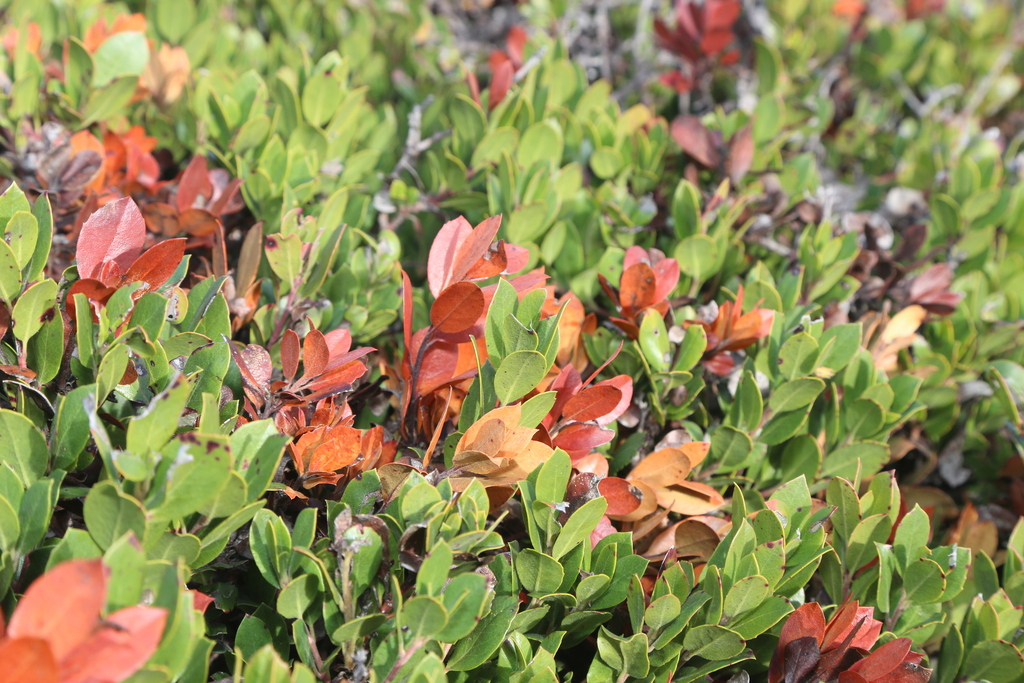
Symptoms by part
Leaves
You will see dark brown or black spots that often start at the leaf tip or along the edges, sometimes accompanied by a yellow halo.
Stems
Look for bleeding cankers on the lower trunk that ooze a thick, dark red or black sap, often leaving a crusty residue on the bark.
Causes
- Prolonged periods of cool, wet, and humid weather.
- Splashing rain or wind that carries spores from infected foliage to healthy bark.
- Poor air circulation in dense plantings that keeps foliage wet for too long.
Could be confused with
- Armillaria root rot · Armillaria typically shows white fungal mats under the bark near the soil line and produces mushrooms at the base, whereas Sudden Oak Death causes bleeding cankers higher up.
- Oak borer damage · Borers leave small, distinct entry holes in the wood and sawdust, while Sudden Oak Death creates wet, oozing patches without visible insect holes.
Find out what's really wrong with your plant
Problems that look alike are easy to mix up. Pocket Botanist looks at a photo of your actual plant and tells you what's going on, how serious it is, and what to try first. Identification and a health check are free.



Scan with your phone's camera to get the app
Or go to pocketbotanist.app/get on your phone
Treatment
- Prune away and destroy any infected branches or foliage to reduce the amount of spores present.
- Clean all pruning tools with a disinfectant solution between every cut to prevent moving the pathogen to healthy wood.
- Remove and destroy all plant debris from around the base of the tree to limit moisture and spore buildup.
Without chemicals
- Improve air circulation by thinning out dense canopy branches.
- Install a rain cover or protective barrier for smaller, high value plants if possible during heavy rain events.
- Remove severely infected plants entirely to protect nearby healthy specimens.
Chemical options
- Phosphonate (potassium phosphite), apply as a bark spray or trunk injection to protect healthy trees, follow the label.
Preventing it
- Only purchase plants from reputable nurseries that follow strict sanitation protocols.
- Avoid planting susceptible species in areas with poor drainage or high humidity.
- Keep the area around the base of the tree clear of leaf litter and weeds to ensure the trunk stays dry.
Season
The cool, wet season, especially late winter and spring, during periods of high rainfall and moderate temperatures.
Spread risk
High
Severity
High
When to act
Act immediately upon seeing bleeding cankers on the trunk, as this indicates the disease is well established. If a tree shows significant canopy dieback or large, coalescing cankers, consult a professional tree surgeon to safely remove the tree before it becomes a hazard.
Keep your plants healthy from here
Save your plants in Pocket Botanist and you get care reminders timed for each one, plus a care history that shows what worked. Identification and a health check are free.
Questions people ask
- Can I save a tree that has bleeding cankers?
- If the canker has circled the entire trunk, the tree cannot be saved and should be removed. If the infection is minor, you may be able to slow its progress with professional care.
- Does this disease only affect oak trees?
- No, while it is named for the damage it does to oaks, it can infect many other types of shrubs and trees, which often act as hosts that spread the spores.
Plants it affects
Answers plant by plant
This guide was generated with AI on and is general information, not horticultural advice. Read about how we build these guides.