 Pocket Botanist
Guía de plantas
Roble.
Quercus
Pronunciación KWER-kus
También se conoce como Bellota, Roble, Árbol de roble, Robles


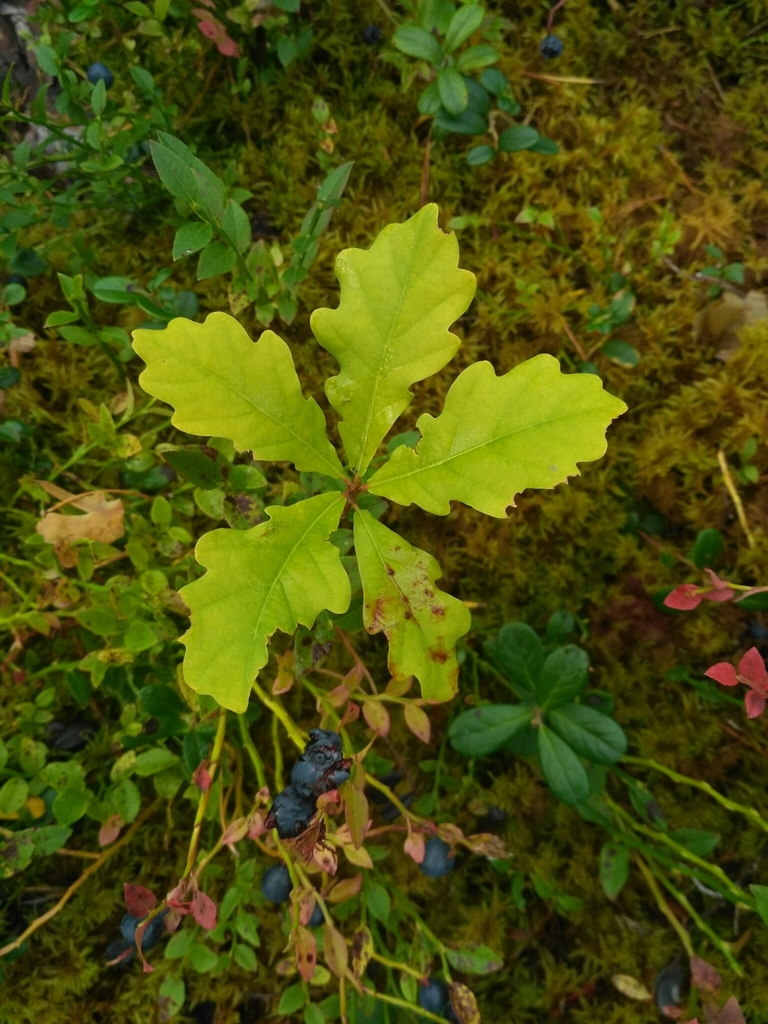
Los robles son árboles icónicos y longevos que sirven como pilares para muchos ecosistemas. Vienen en una amplia variedad de formas y tamaños, desde gigantes forestales masivos hasta especies arbustivas más pequeñas. La mayoría son de hoja caduca, aunque algunas especies en climas más cálidos conservan sus hojas durante todo el año.

De un vistazo
- Nivel de cuidados
- Media
- Tipo de planta
- Árbol
- Luz
- Pleno sol
- Luz en interior
- Sol directo
- Riego
- Cada 7 a 14 días
- Tamaño adulto
- Varía significativamente según la especie, a menudo alcanzando de 20 a 30 metros.
- Ritmo de crecimiento
- Medio
- Rusticidad
- USDA 3 a 9
- Floración
- Mediados a finales de primavera
Cuidados
Los robles prosperan en suelos profundos y bien drenados con mucho espacio para extender sus raíces. Estate atento a signos de plagas o problemas fúngicos como la mancha foliar, y asegúrate de que reciban humedad constante cuando son jóvenes. Una vez establecidos, son bastante resistentes y requieren muy poca intervención.
- Riego
- Riega profundamente durante las sequías, especialmente los árboles más jóvenes.
- Abonado
- Aplica un fertilizante equilibrado de liberación lenta a principios de primavera si el crecimiento es lento.
- Poda
- Poda durante la dormancia a finales de invierno para eliminar ramas muertas o que se cruzan.
- Trasplante
- El trasplante generalmente solo es necesario para especímenes jóvenes en maceta.
- Suelo
- Suelo franco, bien drenado
- pH del suelo
- Ligeramente ácido a neutro
- Temperatura
- -30 a 40°C
- Humedad
- 30 a 70%
- Tolerancia a la sequía
- Alta
- Longevidad
- Perenne, típicamente de 100 a 500 años.
- Resistencia a ciervos y conejos
- Moderada
Señales de que necesita trasplante
- Raíces que crecen fuera de los agujeros de drenaje.
- Crecimiento atrofiado a pesar del cuidado adecuado.
- El suelo se seca mucho más rápido de lo normal.
Seguridad
- Personas
- Las hojas y las bellotas contienen taninos que pueden causar malestar estomacal si se ingieren en grandes cantidades.
- Mascotas
- Las bellotas contienen taninos que son tóxicos para gatos y perros si se ingieren en grandes cantidades.
- Niños
- Las bellotas son un peligro potencial de asfixia para los niños pequeños y deben mantenerse fuera de su alcance.
- Alérgenos por contacto
- La corteza y las hojas son generalmente seguras, pero algunas personas pueden experimentar una leve irritación en la piel al manipular texturas rugosas.
- Alérgenos en el aire
- Los robles producen cantidades significativas de polen transportado por el viento en primavera, que es una causa común de alergias estacionales.
- Comestibilidad
- Las bellotas contienen taninos que deben ser lixiviados antes de que sean seguros para el consumo humano.
Cómo identificarla
- Hojas distintivas lobuladas o aserradas
- Produce bellotas como fruto
- Corteza profundamente surcada o escamosa
- Estructura de ramas robusta y extendida
- Altura
- 10 a 30m
- Anchura
- 8 a 25m
- Hojas
- verde, bronce, amarillo, rojo, caduco
- Flores
- amarillo, verde, 0,5 a 2cm
- Frutos
- marrón, Otoño
Problemas a vigilar
- Avispas de las agallasComún
- Marchitez del robleComún
- Oídio del robleComún
- Abolladura del roblePoco común
- Barrenador del roblePoco común
- ClorosisPoco común
- Muerte súbita del roblePoco común
- Quemadura foliarPoco común
- Pudrición del roble — Una infección fúngica que bloquea el sistema de transporte de agua del árbol.
- Avispas de agallas — Pequeños insectos que causan crecimientos anormales en hojas o ramitas.
Por síntoma
Revisa tu roble con una foto
Pocket Botanist mira una foto de tu planta y te dice qué le pasa y qué probar primero.
Cómo cultivarla
- Propagación
- semilla, injerto
- Cuándo plantar
- Primavera, Otoño
- Cuidados en invierno
- No se requiere cuidado especial de invierno para los árboles establecidos, ya que están completamente inactivos y resistentes.
- En maceta
- Los robles generalmente no son adecuados para el cultivo a largo plazo en contenedores debido a sus masivas raíces pivotantes.
Siembra de bellotas
- 1. Coleccione bellotas frescas en otoño.
- 2. Pruébelas flotando en agua y descarte las que floten.
- 3. Siembre las sanas inmediatamente en macetas profundas o directamente en el suelo.
Plante perennes tolerantes a la sombra debajo del dosel para crear una capa forestal natural.
Buenas compañeras
- Vaccinium — Comparten preferencias similares de suelo ácido.
- Helecho espada del oeste — Prosperan en la sombra moteada que proporciona el dosel del roble.
Mantenla lejos de
- Juglans nigra — Produce juglona que puede inhibir el crecimiento de árboles cercanos.
Especies parecidas
- haya americana — Comparten hábitats forestales y hábitos de crecimiento similares.
Ciencia
- Familia
- Fagaceae
- Género
- Quercus
- Orden
- Fagales
- Clase
- Magnoliopsida
- Distribución natural
- Regiones templadas del hemisferio norte.
- Conservación
- Muchas especies de robles están amenazadas por la pérdida de hábitat y enfermedades, así que siempre obtenga plantas de viveros de confianza.
Los robles forman relaciones simbióticas con hongos micorrízicos para absorber nutrientes del suelo.
- Valor para la fauna
- planta hospedante de larvas, fuente de alimento para aves y mamíferos
- Polinizadores
- abejas, escarabajos
- Usos
- árbol de sombra, madera, hábitat para la vida silvestre, ejemplar de paisaje
A lo largo del año
Indicadores ecológicos
- Salinidad
- 2/9
- Luz
- 7/9
- Temperatura
- 5/9
- Nutrientes
- 5/9
- Reacción del suelo
- 5/9
- Humedad
- 5/9
Taxonomía cotejada con GBIF.
Lo que más preguntan
- ¿Qué tan rápido crecen los robles?
- La mayoría de los robles crecen de lento a moderado, a menudo tardan décadas en alcanzar la plena madurez.
- ¿Puedo plantar un roble cerca de mi casa?
- Es mejor plantarlos a una distancia de 6 a 9 metros de los cimientos debido a sus extensos sistemas de raíces.
De dónde viene el nombre
Quercus es el nombre latino clásico del roble. El nombre común roble proviene de la palabra protoindoeuropea para el árbol.
Bueno saberlo
- Los robles pueden vivir cientos de años.
- Hay más de 500 especies de robles en todo el mundo.
- La madera de roble es apreciada por su resistencia y durabilidad en la fabricación de muebles.
También en
Que tu roble siga creciendo
Esta página es una guía general. Guarda tu planta en Pocket Botanist y tendrás recordatorios de cuidado pensados para esta planta, además de un historial de cuidados que muestra qué ha funcionado.
Esta guía se ha generado con IA y se ha cotejado con la taxonomía de GBIF. Es información general, no asesoramiento botánico ni veterinario. Descubre cómo elaboramos estas guías.