 Pocket Botanist
Guía de plantas
American beech.
Fagus grandifolia
Pronunciación FAY-gus gran-di-FOH-lee-uh
También se conoce como American Beech, Gaawemizh


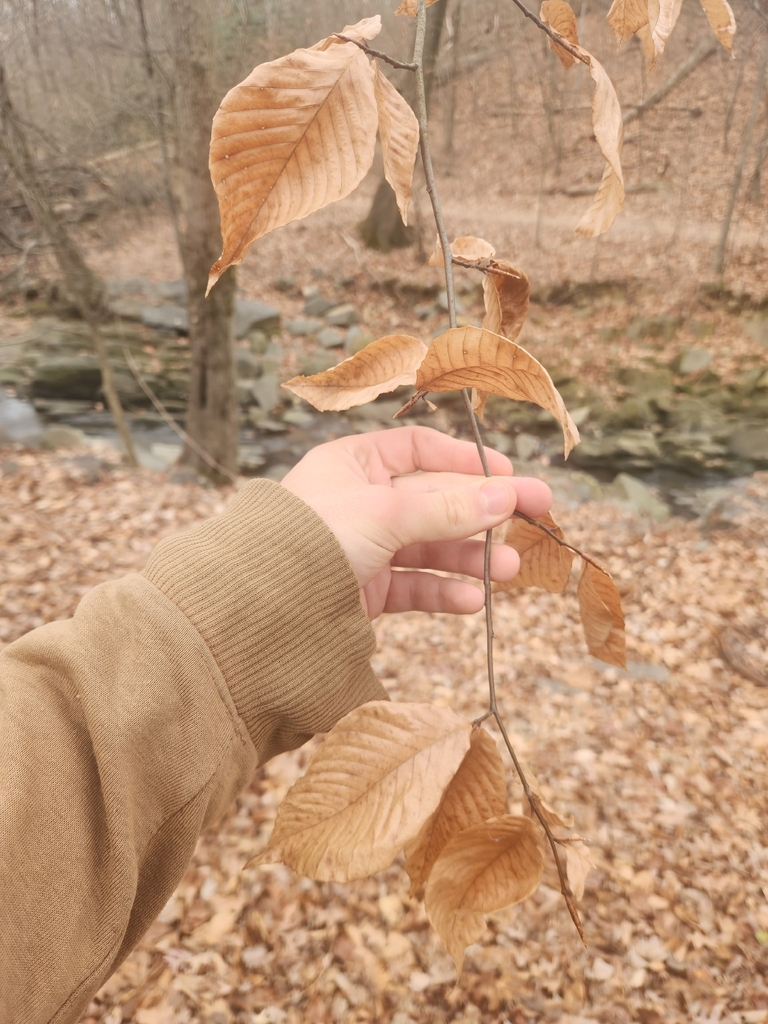
The American beech is a beautiful, stately tree known for its smooth, silver gray bark and golden bronze fall foliage. It thrives in deep, rich, well drained soils and makes a fantastic specimen for large landscapes. You will love how its dense canopy provides cooling shade during the hot summer months.

De un vistazo
- Nivel de cuidados
- Media
- Tipo de planta
- Deciduous tree
- Luz
- Full sun to partial shade
- Luz en interior
- Luz indirecta brillante
- Riego
- Cada 7 a 14 días
- Tamaño adulto
- 60 to 80 feet
- Ritmo de crecimiento
- Lento
- Rusticidad
- USDA 3 a 9
- Floración
- Mid to late spring
Cuidados
Keep the soil consistently moist but never waterlogged to support its shallow root system. Watch for signs of stress like leaf scorch during dry spells, which is a clear indicator that it needs supplemental hydration. Mulching around the base helps retain moisture and protects the sensitive roots from temperature swings.
- Riego
- Provide deep soakings during dry periods to keep the soil evenly moist.
- Abonado
- Apply a balanced slow release fertilizer in early spring before new growth appears.
- Poda
- Only prune to remove dead or damaged branches during the dormant winter season.
- Trasplante
- This tree is not suitable for container life and should be planted directly in the ground.
- Suelo
- Rich, moist, well drained loam
- pH del suelo
- Slightly acidic to neutral
- Temperatura
- -35 a 35°C
- Humedad
- 40 a 70%
- Tolerancia a la sequía
- Baja
- Longevidad
- Perennial, typically 200 to 400 years.
- Resistencia a ciervos y conejos
- Baja
Seguridad
- Personas
- The foliage and bark are not considered toxic, but the raw nuts contain tannins that can cause stomach upset if eaten in large quantities.
- Niños
- The small, sharp-edged husks of the beechnuts could pose a minor choking or prickling hazard to very small children.
- Alérgenos por contacto
- The leaves and bark do not typically cause skin irritation.
- Alérgenos en el aire
- The windborne pollen can cause seasonal allergic rhinitis in sensitive individuals.
- Comestibilidad
- The small beechnuts are edible but should be consumed in moderation due to tannins.
Cómo identificarla
- Smooth silver gray bark
- Long pointed brown buds
- Oval leaves with serrated edges
- Golden bronze autumn color
- Small triangular edible nuts
- Altura
- 18 a 30m
- Anchura
- 12 a 24m
- Hojas
- dark green, bronze, gold, deciduous
- Flores
- yellowish green, 0,5 a 1cm
- Frutos
- brown, Autumn
Problemas frecuentes
- Beech Bark Disease — A complex interaction between a scale insect and a fungus that causes cankers and tree decline.
- Beech Leaf Disease — A condition caused by nematodes that leads to leaf banding and premature leaf drop.
Cómo cultivarla
- Propagación
- seed
- Cuándo plantar
- Spring, Autumn
- Cuidados en invierno
- No special winter care is needed for established trees as they are fully hardy. Young trees may benefit from a layer of mulch to protect roots from extreme temperature fluctuations.
- En maceta
- Not suitable for long term container growth due to its massive size and extensive root system.
Seed
- Collect nuts in autumn once the husks begin to open.
- Soak seeds in water and discard any that float.
- Cold stratify seeds in a moist medium in the refrigerator for 3 months.
- Sow seeds in pots in early spring.
- Keep soil consistently moist until germination occurs.
Plant in groups with other shade tolerant hardwoods to mimic natural forest conditions.
Buenas compañeras
- Acer saccharum — They naturally occur together in northern hardwood forests.
- Eastern hemlock — They share similar moisture and shade requirements in forest settings.
Especies parecidas
- European Beech — It is a close relative often used in landscaping with many ornamental cultivars.
Ciencia
- Familia
- Fagaceae
- Género
- Fagus
- Orden
- Fagales
- Clase
- Magnoliopsida
- Distribución natural
- Eastern North America.
- Conservación
- This species is not currently listed as endangered, though it faces significant threats from beech leaf disease in parts of its range.
It is a climax species in many forests, meaning it can regenerate in its own shade and eventually dominate the canopy.
- Valor para la fauna
- provides mast for wildlife, nesting habitat
- Polinizadores
- abejas, escarabajos
- Usos
- shade tree, wildlife habitat, timber, ornamental specimen
A lo largo del año
Indicadores ecológicos
- Salinidad
- 1/9
- Reacción del suelo
- 5/9
- Luz
- 4/9
- Temperatura
- 4/9
- Humedad
- 5/9
- Nutrientes
- 5/9
Taxonomía cotejada con GBIF.
Lo que más preguntan
- Do beech trees grow well in cities?
- They struggle in urban environments due to high sensitivity to soil compaction and air pollution.
- How long does it take for a beech to produce nuts?
- It can take 40 to 60 years for a tree to begin producing a significant crop of nuts.
De dónde viene el nombre
The genus name Fagus is the classical Latin name for the beech tree, while grandifolia refers to the large leaves compared to European counterparts.
Bueno saberlo
- Beech trees are known for their ability to grow in deep shade.
- The wood is very hard and is often used for furniture and flooring.
- Beech trees are shallow rooted and sensitive to soil compaction.
- In autumn, the leaves turn a beautiful copper color and often persist on the tree through winter.
¿Tu american beech tiene mal aspecto?
Esta página es una guía general. Pocket Botanist diagnostica problemas a partir de una foto de tu propia planta, calcula el riego según tu luz y tus condiciones, y te avisa cuando toca cuidarla.
Esta guía se ha generado con IA y se ha cotejado con la taxonomía de GBIF. Es información general, no asesoramiento botánico ni veterinario. Descubre cómo elaboramos estas guías.