 Pocket Botanist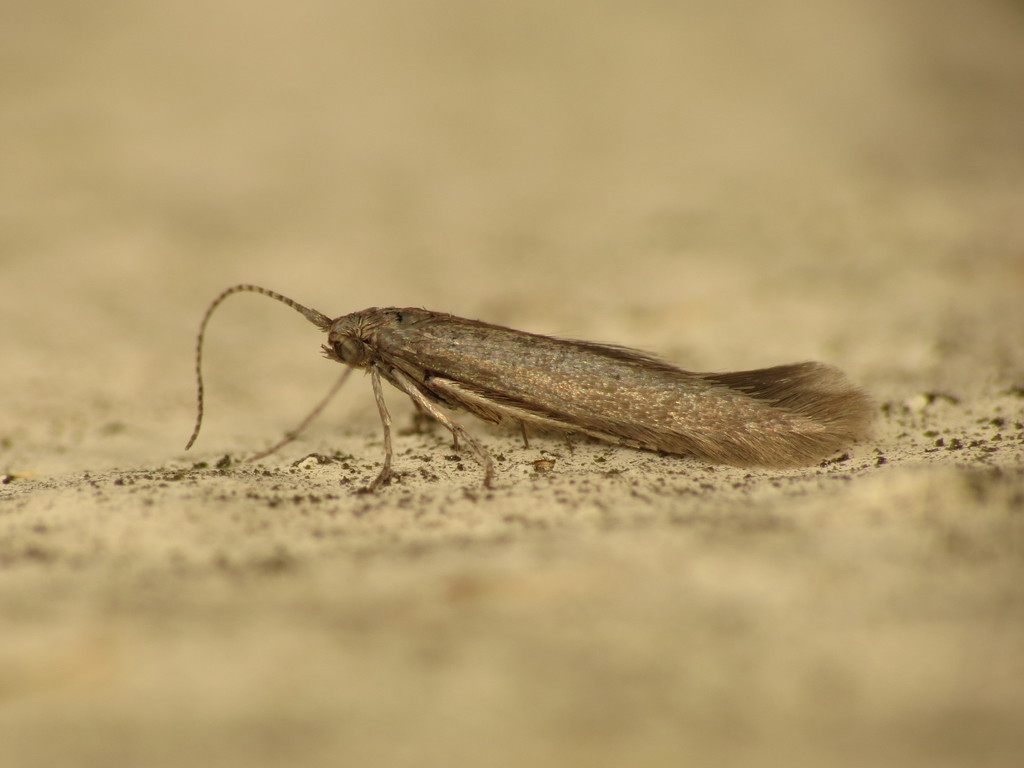
Symptoms by part
Leaves
You will see tiny, cigar shaped cases made of silk and needle fragments attached to the needles. The needles themselves will turn yellow and then brown, appearing hollowed out or mined from the inside.
Causes
- Mild winters that allow more larvae to survive the dormant period.
- Planting larch trees in dense stands which facilitates the movement of moths between hosts.
- Lack of natural predators like parasitic wasps in the immediate area.
Could be confused with
- Larch needle cast · This is a fungal disease that causes browning without the presence of the small silk cases found on the needles.
- Frost damage · Frost damage typically affects all needles on a branch uniformly rather than showing the patchy, mined appearance caused by larvae.
Treatment
- Prune and destroy heavily infested branches during the dormant season to remove overwintering larvae.
- Apply spinosad to the foliage when larvae are actively feeding in the spring, follow the label.
- Apply lambda-cyhalothrin to the needles during the peak of larval activity if the infestation is widespread, follow the label.
Without chemicals
- Prune out and burn or bury infested twigs during winter.
- Encourage natural predators by planting diverse flowering plants nearby to attract parasitic wasps.
Chemical options
- spinosad, apply as a spray to foliage during active feeding, follow the label.
- lambda-cyhalothrin, apply as a targeted spray to affected areas, follow the label.
Preventing it
- Maintain tree vigor through proper watering during dry spells.
- Avoid planting larch in areas with poor air circulation.
- Inspect new nursery stock carefully for the presence of small cases on needles before planting.
Season
The warm growing season, specifically when larvae emerge from their cases to feed on new growth.
Spread risk
Moderate
Severity
Moderate
When to act
Act as soon as you notice the characteristic browning and the small cases on the needles in the spring. If the tree is too large to treat safely, consult a tree surgeon.
Think it's Larch Casebearer?
This guide covers the general picture. Pocket Botanist looks at your actual plant from a photo and tells you what's really going on, how serious it is, and what to try first. Identification and a health check are free.


Questions people ask
- Will my tree die from larch casebearer?
- Usually not, but repeated heavy infestations over several years can significantly weaken the tree and make it susceptible to other issues.
- Can I just wash the larvae off?
- No, because the larvae live inside protective cases attached to the needles, which makes them resistant to simple water sprays.
This guide was generated with AI and is general information, not horticultural advice. Read about how we build these guides.