 Pocket Botanist
Symptoms by part
Roots
Young roots may appear chewed or damaged, leading to a sudden decline in plant vigor, yellowing leaves, or wilting even when the soil is moist.
Causes
- Consistently soggy or waterlogged soil
- High humidity levels around the pot
- Use of potting mixes with high organic content that stays damp
- Overwatering indoor plants
Could be confused with
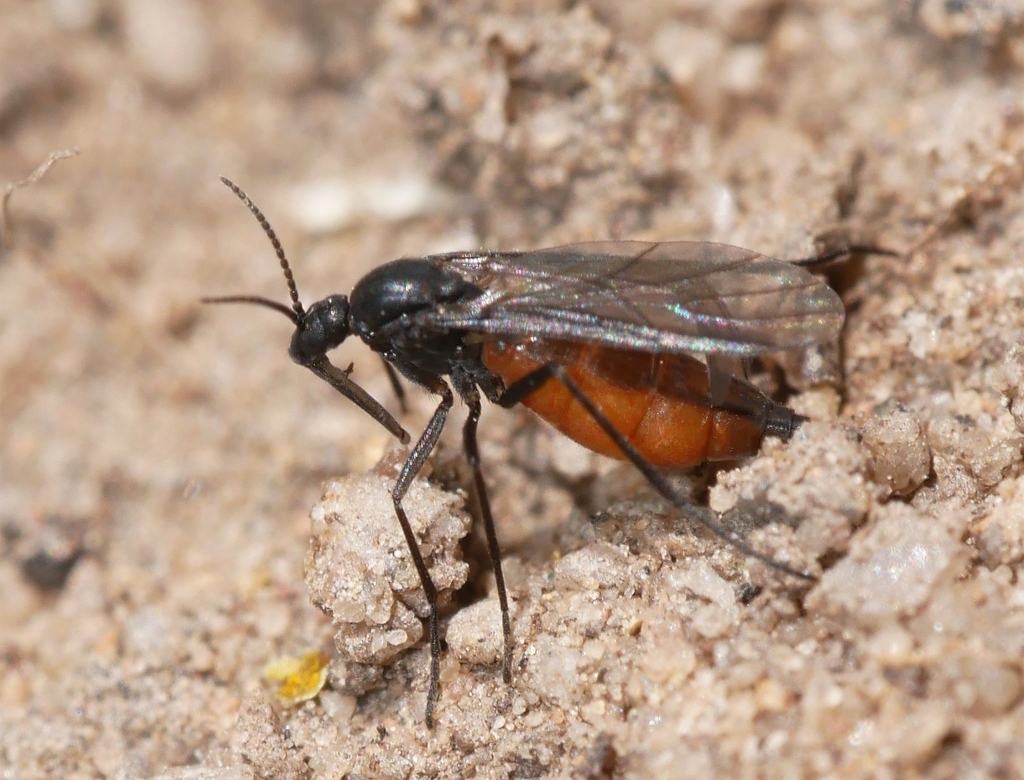
- Shore flies · Shore flies are larger and have distinct white spots on their wings, whereas fungus gnats are smaller and have clear wings.
- Fruit flies · Fruit flies are attracted to rotting produce and are usually found near kitchens, while fungus gnats stay strictly near plant soil.
Find out what's really wrong with your plant
Problems that look alike are easy to mix up. Pocket Botanist looks at a photo of your actual plant and tells you what's going on, how serious it is, and what to try first. Identification and a health check are free.



Scan with your phone's camera to get the app
Or go to pocketbotanist.app/get on your phone
Treatment
- 1. Allow the top 2 to 3 inches of soil to dry out completely between waterings to kill larvae.
- 2. Place yellow sticky traps horizontally on the soil surface to capture adult gnats before they lay more eggs.
- 3. Apply a soil drench containing Bacillus thuringiensis subspecies israelensis to the potting medium to target larvae, follow the label.
Without chemicals
- Top dress the soil with a 1 inch layer of coarse sand or decorative gravel to prevent adults from laying eggs in the soil.
- Isolate infested plants from healthy ones to stop the spread.
- Repot the plant into fresh, well draining potting mix if the infestation is severe.
Chemical options
- Bacillus thuringiensis subspecies israelensis, mix into water and drench the soil to kill larvae, follow the label.
Preventing it
- Water only when the top inch of soil feels dry to the touch.
- Ensure all pots have functional drainage holes to prevent standing water.
- Avoid using potting mixes that contain high amounts of uncomposted organic matter.
- Use yellow sticky traps year round to catch and identify adult gnats early.
Season
The warm growing season, especially when indoor humidity is high.
Spread risk
Moderate
Severity
Moderate
When to act
Take action as soon as you see small black flies hovering near your pots. If the plant shows severe wilting or root rot, you may need to replace the soil entirely.
Keep your plants healthy from here
Save your plants in Pocket Botanist and you get care reminders timed for each one, plus a care history that shows what worked. Identification and a health check are free.
Questions people ask
- Do fungus gnats bite people?
- No, fungus gnats are harmless to humans and pets. They do not bite or sting.
- Will my plant die from fungus gnats?
- Usually, they only cause minor damage, but a heavy infestation can weaken a plant enough to make it susceptible to other diseases or root rot.
- Can I just ignore them?
- It is best not to, as their population can explode quickly, making them much harder to manage later.
Plants it affects
Answers plant by plant
This guide was generated with AI on and is general information, not horticultural advice. Read about how we build these guides.