 Pocket Botanist
Plant guide
Elephant Ear.
Alocasia
Pronounced al-oh-KAY-zee-uh
Also known as Taro


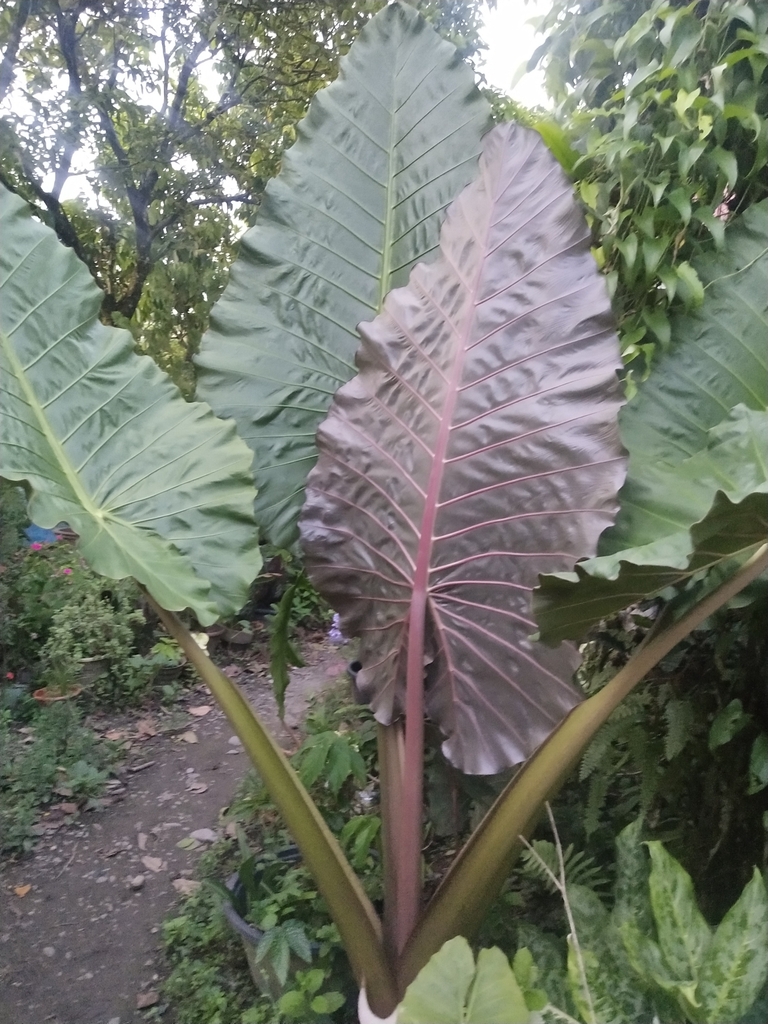
Alocasias are stunning tropical plants known for their dramatic, arrow shaped leaves. They thrive in warm, humid environments that mimic their native forest floors. These plants make a bold statement in any indoor collection.
At a glance
- Care level
- Moderate
- Plant type
- Tropical perennial
- Light
- Bright, filtered light is best.
- Indoor light
- Bright indirect
- Water
- Every 5 to 10 days
- Mature size
- Varies by species, typically 60 to 150 cm.
- Growth rate
- Medium
- Hardiness
- USDA 10 to 12
- Bloom time
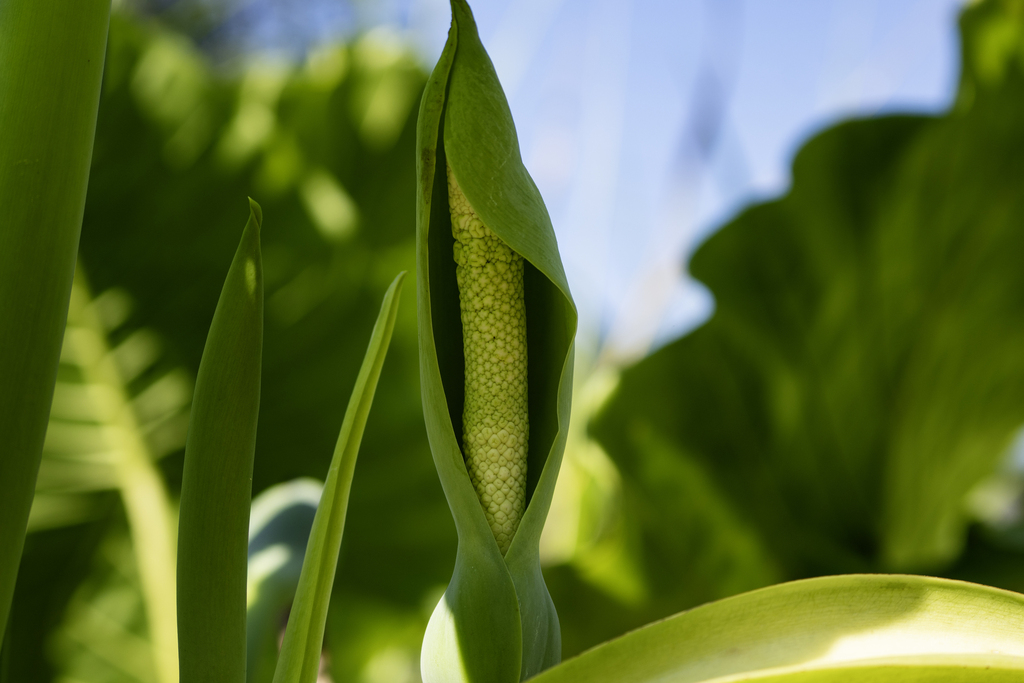
- Rarely blooms indoors, but occasionally in late spring or summer.
Care
Keep the soil consistently moist but never soggy to prevent root rot. Watch for yellowing leaves, which often signal overwatering or poor drainage. Provide plenty of ambient humidity to keep the foliage looking its best.
- Watering
- Water when the top 2 to 3 centimeters of soil feel dry to the touch.
- Feeding
- Feed with a balanced liquid fertilizer during the active growing season.
- Pruning
- Remove yellow or damaged leaves at the base of the petiole to encourage new growth.
- Repotting
- Repot when the plant becomes root bound or the soil breaks down.
- Soil
- Well draining, chunky aroid mix.
- Soil pH
- 5.5 to 6.5
- Temperature
- 15 to 29°C
- Humidity
- 60 to 90%
- Drought tolerance
- Low
- Lifespan
- Perennial, typically 5 to 10 years with proper care.
- Deer and rabbits
- Moderate
Signs it needs repotting
- Roots growing out of the drainage holes.
- Water running straight through the pot without soaking in.
- The plant stops producing new leaves during the growing season.
Safety
- People
- The plant contains calcium oxalate crystals that cause intense burning and swelling of the mouth and throat.
- Pets
- This plant is toxic to cats and dogs if ingested due to calcium oxalate crystals.
- Children
- Keep this plant out of reach of children as ingestion of any part is dangerous.
- Contact allergens
- The sap can cause skin irritation or dermatitis in sensitive individuals.
- Airborne allergens
- There is no significant evidence of respiratory allergies.
- Edibility
- All parts of this plant are toxic if ingested and can cause severe irritation.
How to identify it
- Large, heart or arrow shaped leaves
- Prominent, raised leaf veins
- Long, sturdy, succulent like petioles
- Glossy or velvety leaf texture
- Height
- 0.3 to 1.5m
- Spread
- 0.3 to 1.2m
- Leaves
- green, bronze, silver, purple, evergreen
- Flowers
- white, green, cream, 5 to 15cm
- Fruit
- red, orange, Rarely produces fruit in cultivation.
Problems to watch for
- Fungus GnatsCommon
- Root RotCommon
- Spider MitesCommon
- ChlorosisUncommon
- Leaf SpotUncommon
- MealybugsUncommon
- Scale InsectsUncommon
- EdemaRare
Check your elephant ear from a photo
Pocket Botanist looks at a photo of your plant and tells you what's wrong and what to try first.
Growing it
- Propagation
- division, rhizome cuttings
- When to plant
- spring, summer
- Overwintering
- Reduce watering significantly during the cooler months as the plant enters a period of slower growth. Keep it away from cold drafts or heating vents.
- In containers
- They grow very well in containers, provided the pot has excellent drainage and is sized to fit the root ball snugly.
Division of offsets
- Gently remove the plant from its pot.
- Identify small corms or offsets attached to the main root system.
- Carefully separate them with a clean, sharp blade.
- Plant the offsets in a small pot with well-draining soil.
- Keep the soil lightly moist until new growth appears.
Group moisture loving tropicals together to create a microclimate that boosts ambient humidity.
Grows well with
- Ferns — They share similar requirements for high humidity and indirect light.
- Philodendron — These plants thrive in the same tropical conditions as Alocasia.
Similar species
Science
- Family
- Araceae
- Genus
- Alocasia
- Order
- Alismatales
- Class
- Liliopsida
- Native range
- Tropical and subtropical Asia and eastern Australia.
- Conservation
- Some wild species are threatened by habitat loss and over collection.
These plants grow in the shaded, humid understory of tropical forests.
- Value to wildlife
- provides shelter
- Pollinators
- beetles
- Uses
- ornamental houseplant, tropical garden accent
Through the year
Ecological indicators
- Salinity
- 2/9
- Soil reaction
- 6/9
- Temperature
- 8/9
- Moisture
- 7/9
- Nutrients
- 6/9
- Light
- 4/9
Taxonomy resolved against GBIF.
Questions people ask
- Why are my leaves dripping water?
- This is called guttation, where the plant releases excess moisture through its leaves.
- How often should I water?
- Water when the top few centimeters of soil feel dry to the touch.
Where the name comes from
The name Alocasia comes from the Greek words a, meaning without, and locasia, a type of water lily. It was named to distinguish it from the genus Colocasia.
Good to know
- Alocasia leaves can grow over a meter long in their native habitat.
- They are part of the Araceae family, related to peace lilies.
- The leaves often have a waxy coating to shed heavy tropical rain.
Also in
Keep your elephant ear growing
This page is a general guide. Save your plant in Pocket Botanist and you get care reminders timed for this plant, plus a care history that shows what worked.
This guide was generated with AI and checked against GBIF taxonomy. It is general information, not horticultural or veterinary advice. Read about how we build these guides.