 Pocket Botanist
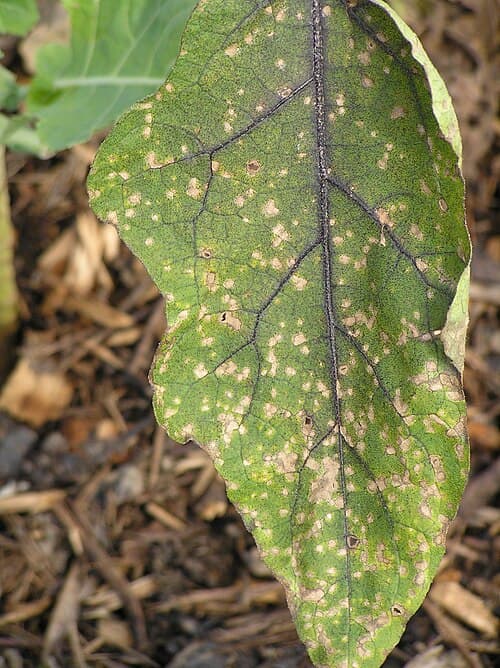

Check these first
- Check if the spots are soft or mushy to the touch.
- See if the spots have a yellow ring around the outside.
- Note if you have been misting the leaves or getting them wet while watering.
Likely causes
Fungal Infection
Most likelyHow to tell: You see dark, water soaked patches that might have a yellow halo around them. These often appear after the leaves stay wet for too long.
What to do: Trim off the affected leaves to stop the spread. Improve air circulation around the plant and avoid getting water on the leaves when you irrigate.
Overwatering
PossibleHow to tell: The spots are accompanied by yellowing edges and generally soft foliage.
What to do: Adjust your watering schedule to let the soil dry out more between sessions. Ensure the plant is in a spot with bright, indirect light to help it process water.
Find out what's wrong with your elephant ear
The list above covers the usual causes. Pocket Botanist looks at a photo of your actual plant and tells you the likely cause, how serious it is, and what to try first. Identification and a health check are free.



Scan with your phone's camera to get the app
Or go to pocketbotanist.app/get on your phone
When to worry
If the spots are spreading rapidly across multiple leaves, it is a sign of a serious infection. Isolate the plant to protect your other greenery.
Stopping it coming back
Keep the leaves dry and ensure good airflow around the plant. Water only the soil, not the foliage, to prevent moisture from sitting on the leaves.
Elephant Ear: spots? Check yours with a photo
Every plant is a little different. Take a photo of your elephant ear and Pocket Botanist tells you which cause is most likely, how serious it is, and what to try first. A few checks a day are free. Save the plant and you get care reminders timed for it.
Scan with your phone's camera to get the app
Or go to pocketbotanist.app/get on your phone
Get the app · Or check it from a photo now, free
Questions people ask
- Should I cut off the spotted leaves?
- Yes, removing damaged leaves helps the plant focus its energy on healthy growth. Use clean, sharp scissors and wipe the blades with alcohol between cuts.
- Are these spots contagious?
- Fungal spores can travel through the air or water splashes. It is best to keep the affected plant away from others until the spots stop appearing.
More problems with Elephant Ear
- Why are there tiny webs on my Elephant Ear?
- Why is my Elephant Ear wilting despite wet soil?
- Why are my Alocasia leaves turning yellow?
- Why are my Alocasia leaf tips turning brown?
- Why is my Alocasia drooping?
- Why is my Alocasia losing its leaves?
- Why is my Alocasia growing so tall and thin?
- Why are my Alocasia leaves curling up?
Back to the Elephant Ear guide
This article was generated with AI on from the plant’s care profile and is general information, not horticultural advice. Read about how we build these guides.