 Pocket Botanist

Check these first
- Stick your finger 3 centimeters into the soil to check for dampness.
- Lift the pot to see if water is sitting in the saucer.
- Smell the soil for a foul or rotting odor.
Likely causes
Overwatering
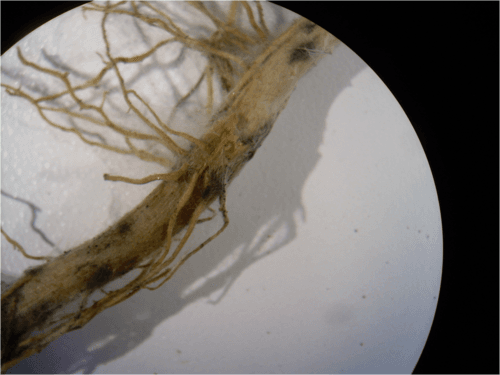
Most likelyHow to tell: The soil stays soggy for more than 10 days and the plant looks limp. You might notice a sour or swampy smell coming from the pot.
What to do: Stop watering immediately and let the soil dry out. If the rot is advanced, remove the plant from the pot, trim away mushy black roots, and repot into fresh, well draining soil.
Poor Drainage
PossibleHow to tell: Water pools at the bottom of the pot because there are no drainage holes.
What to do: Repot the plant into a container with holes at the bottom. Use a chunky soil mix with perlite to ensure water flows through easily.
Find out what's wrong with your elephant ear
The list above covers the usual causes. Pocket Botanist looks at a photo of your actual plant and tells you the likely cause, how serious it is, and what to try first. Identification and a health check are free.



Scan with your phone's camera to get the app
Or go to pocketbotanist.app/get on your phone
When to worry
If the stems feel mushy at the base or the leaves are turning yellow and collapsing, the rot has likely reached the crown. This is a critical state that requires immediate repotting.
Stopping it coming back
Always wait until the top 2 to 3 centimeters of soil are dry before adding more water. Ensure your pot has drainage holes so excess water can escape.
Elephant Ear: root rot? Check yours with a photo
Every plant is a little different. Take a photo of your elephant ear and Pocket Botanist tells you which cause is most likely, how serious it is, and what to try first. A few checks a day are free. Save the plant and you get care reminders timed for it.
Scan with your phone's camera to get the app
Or go to pocketbotanist.app/get on your phone
Get the app · Or check it from a photo now, free
Questions people ask
- Can I save a plant with root rot?
- Yes, if you catch it early enough. You must remove all damaged roots and provide fresh soil to give the plant a chance to recover.
- How often should I water my Elephant Ear?
- Water every 5 to 10 days, but always check the soil first. Never water on a strict schedule if the soil is still wet.
More problems with Elephant Ear
- Why are there tiny webs on my Elephant Ear?
- Why are my Alocasia leaves turning yellow?
- Why are my Alocasia leaf tips turning brown?
- Why is my Alocasia drooping?
- Why is my Alocasia losing its leaves?
- What are these dark spots on my Elephant Ear leaves?
- Why is my Alocasia growing so tall and thin?
- Why are my Alocasia leaves curling up?
Back to the Elephant Ear guide
This article was generated with AI on from the plant’s care profile and is general information, not horticultural advice. Read about how we build these guides.