 Pocket Botanist

Check these first
- Feel the soil. If it stays wet for days after watering, the roots aren't getting the air they need.
- Check the pot. Make sure it has a drainage hole, and that no water is sitting in the saucer or a decorative outer pot.
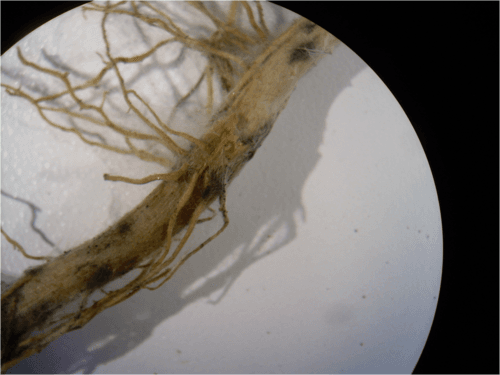
- Slide the plant out and look at the roots. Healthy roots are firm and white or tan; rotten ones are brown or black, soft, and often smell bad.
- Look at the base of the stem. A dark, soft stem at soil level means the rot has spread upward.
Most common causes
The causes our guides to 1,502 plants name most often.
Poor drainage
Named for 1,420 plantsHow to tell: Water sits on the surface of the soil for a long time after watering.
What to do: Repot the plant into a well draining potting mix with added perlite. Ensure the pot has adequate drainage holes at the bottom.
Overwatering
Named for 1,371 plantsHow to tell: The leaves turn yellow and the base of the stems feels mushy or soft.
What to do: Stop watering immediately and let the soil dry out completely. If the plant is in a pot, repot it into fresh, well draining soil and trim away any black, slimy roots.
Waterlogged soil
Named for 64 plantsHow to tell: The plant wilts despite the soil being wet, and the base of the stems looks dark or mushy.
What to do: Remove the plant from the pot and trim away any black, slimy roots. Repot into fresh, well draining soil and reduce your watering frequency.
Phytophthora root rot
Named for 16 plantsHow to tell: The plant wilts even when the soil is moist, and the roots look dark, mushy, or brittle instead of firm and white. The leaves may turn dull green or brown before falling off.
What to do: Improve drainage immediately by amending the soil with organic matter or moving the plant to a raised bed. If the roots are mostly black and mushy, the plant is likely beyond saving.
Stagnant water
Named for 12 plantsHow to tell: The water in your tray smells foul or looks murky. The base of the plant may appear mushy or discolored.
What to do: Empty the water tray immediately and rinse it thoroughly. Flush the soil with fresh distilled water to clear out any buildup.
Phytophthora infection
Named for 10 plantsHow to tell: The tree shows sudden wilting and thinning foliage despite moist soil. You might see dark, oozing lesions on the lower trunk.
What to do: Improve soil drainage immediately by adding organic matter or creating a mound. Avoid watering near the trunk base and keep the area around the roots clear of mulch.
Not sure what you're seeing? Try the free photo health check.
Plants most prone to this
Our guides rate it likely for 741 plants. Here are 48 of them, A to Z.
- Abal Palm
- Aloe vera
- Asparagus fern
- Bay Laurel
- Bird's nest fern
- Bluebell
- Breadfruit
- Cacao
- Cannabis
- Chilean Blue Crocus
- Cider gum
- Coffee plant
- Common soapwort
- Creeping Charlie
- Cylindrical Snake Plant
- Dragon arum
- Edelweiss
- European sanicle
- Flame vine
- Garden asparagus
- Ginger lily
- Guascas
- Hens and Chicks
- Ivy-leaved toadflax
- Joseph's coat
- Kratom
- Lipstick plant
- Marginal wood fern
- Monkey puzzle tree
- Natal Plum
- Oregano
- Pasque flower
- Pincushion Protea
- Potato
- Pygmy date palm
- Regal Geranium
- Rubber rabbitbrush
- Saxifrage
- Shiny bush
- Soap Aloe
- Spotted spurge
- Strangler fig
- Sweet William
- Thymeleaf speedwell
- Tulip
- Wall-rue
- White vervain
- Wood sedge
Find your plant
Every plant guide links to its own pages on that plant's problems. Find yours in the A to Z:
Other symptoms
Pest, disease and disorder guides
How often do the guides name each cause, across every symptom? See what goes wrong with plants, counted.
The causes on this page are drawn from our plant guides, which are generated with AI from each plant's care profile. They are general information, not horticultural advice. Read about how we build these guides.