 Pocket Botanist

Check these first
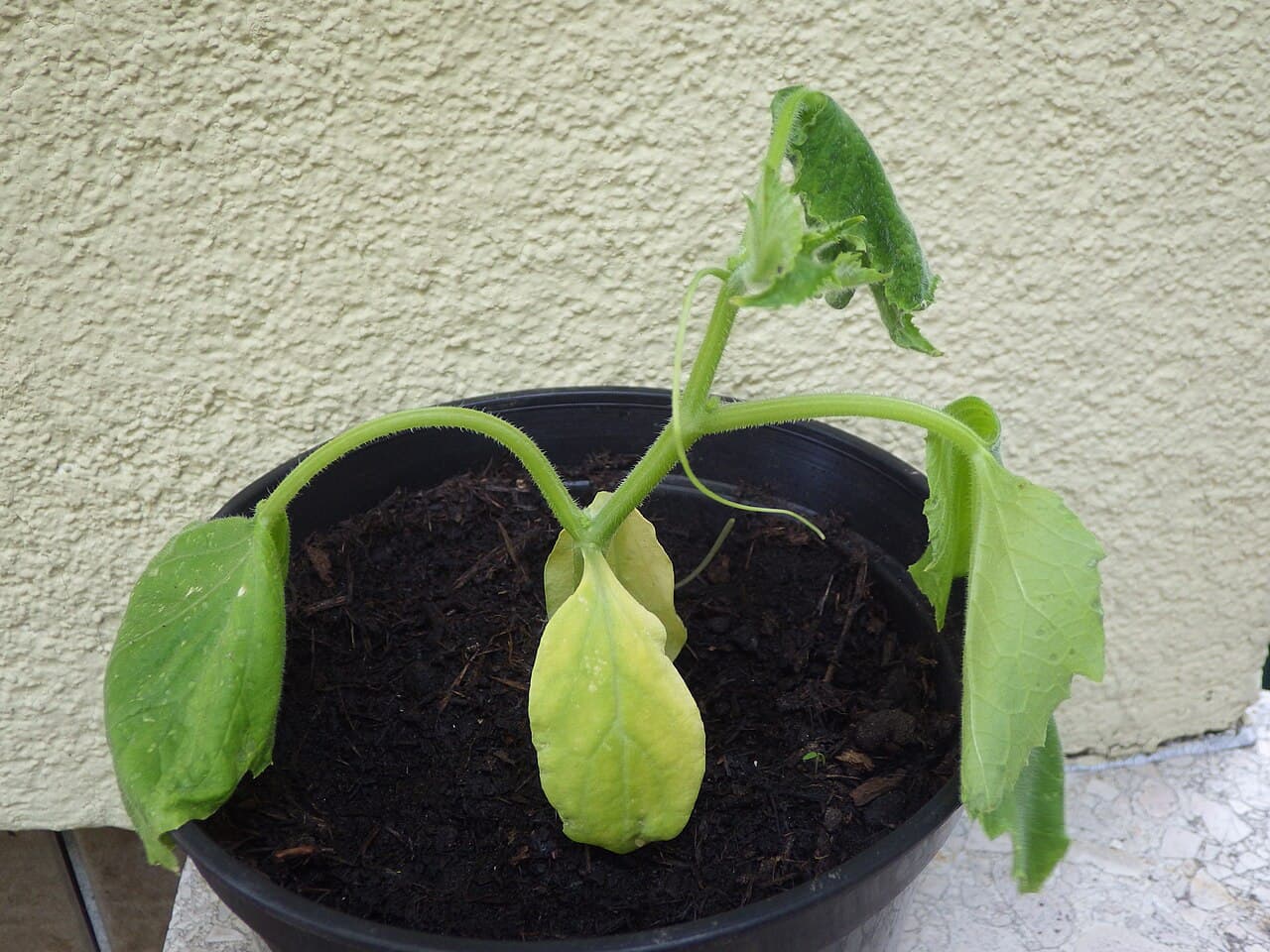
- Feel the soil first. Dry soil means the plant is thirsty. Wet soil means you should stop watering and look at the roots.
- If the soil is wet, slide the plant out of its pot. Healthy roots are firm and pale; brown, mushy roots that smell bad mean root rot.
- Notice the time of day. A plant that droops in hot afternoon sun and perks up by evening is coping with heat, not necessarily short of water.
- Think back. A repot, a move or a sudden change in temperature can make a plant droop for a week or two while it adjusts.
Most common causes
The causes our guides to 1,526 plants name most often.
Underwatering
Named for 1,360 plantsHow to tell: The soil is bone dry and the leaves look limp or wilted.
What to do: Water the plant thoroughly until water runs out of the drainage holes. Ensure the soil is evenly moist but not soggy.
Heat stress
Named for 579 plantsHow to tell: The plant droops during the hottest part of the day but perks up at night.
What to do: Move the plant to a spot with partial shade during the afternoon. Ensure it stays hydrated during heat waves.
Root rot
Named for 452 plantsHow to tell: The plant droops even when the soil is wet and the stems feel mushy at the base.
What to do: Remove the plant from its pot and inspect the roots. Trim away any black or slimy roots and repot into fresh, well draining soil.
Root damage
Named for 202 plantsHow to tell: The plant droops even when the soil is moist, suggesting the roots cannot take up water.
What to do: Gently remove the plant from its pot to inspect the roots. Trim away any mushy or black roots and repot in fresh, well draining soil.
Insufficient light
Named for 72 plantsHow to tell: The stems look long, pale, and lean toward the nearest light source. The plant cannot support its own weight.
What to do: Move the plant to a spot with bright, indirect light. If the stems are already very tall, you may need to provide a small stake for support.
Temperature stress
Named for 38 plantsHow to tell: The plant droops suddenly after being moved to a much hotter or colder location.
What to do: Move the plant back to a stable environment with consistent temperatures. Avoid placing it near extreme heat sources or cold drafts.
Overwatering
Named for 36 plantsHow to tell: The soil feels soggy and the stems look soft or mushy near the base.
What to do: Stop watering immediately and let the top few inches of soil dry out completely. If the soil stays wet, repot the plant into fresh, well draining soil.
Low humidity
Named for 27 plantsHow to tell: The leaves look limp even when the soil is moist.
What to do: Place a humidifier nearby or group your plants together to create a microclimate. You can also set the pot on a tray filled with pebbles and water.
Not sure what you're seeing? Try the free photo health check.
Plants most prone to this
Our guides rate it likely for 529 plants. Here are 48 of them, A to Z.
- African Marigold
- American hornbeam
- Barnyard grass
- Bell Pepper
- Black nightshade
- Borage
- Bull thistle
- Calla Lily
- Chenille plant
- Chrysanthemum
- Coffee plant
- Common Daisy
- Common sowthistle
- Cowslip
- Cut-leaved crane's-bill
- Dragon Scale Alocasia
- European sanicle
- Field pansy
- Forget-me-not
- Gazania
- Grape Ivy
- Guascas
- Heather
- Hot lips
- Jerusalem artichoke
- Kratom
- Lesser spearwort
- Maize
- Marsh woundwort
- Mint
- Oak
- Parsley
- Perilla
- Poppy anemone
- Purple deadnettle
- Red bartsia
- Roselle
- Scarlet pimpernel
- Shrimp plant
- Snake Gourd
- Spiny amaranth
- Swamp milkweed
- Thymeleaf speedwell
- Tuberous Begonia
- Waratah
- Wax Begonia
- Wild Carrot
- Wood anemone
Find your plant
Every plant guide links to its own pages on that plant's problems. Find yours in the A to Z:
Other symptoms
Pest, disease and disorder guides
How often do the guides name each cause, across every symptom? See what goes wrong with plants, counted.
The causes on this page are drawn from our plant guides, which are generated with AI from each plant's care profile. They are general information, not horticultural advice. Read about how we build these guides.