 Pocket Botanist
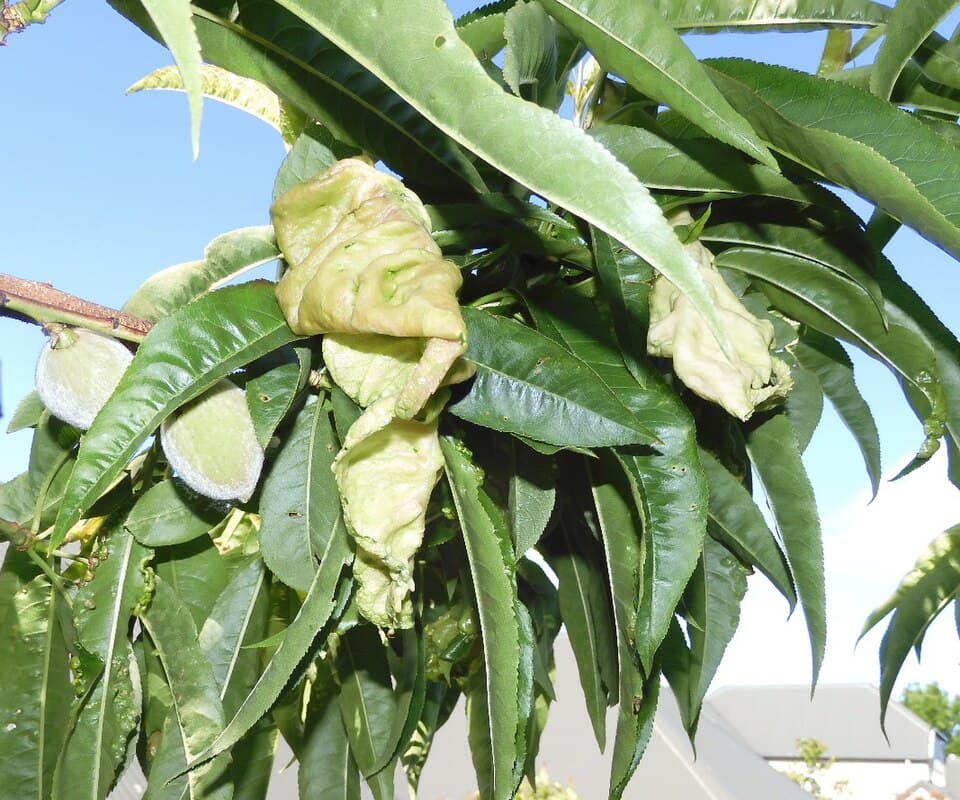

Check these first
- Notice when it happens. Leaves that curl in the hottest part of the day and flatten again in the evening are protecting themselves from heat and sun.
- Feel the soil. Dry soil and curled leaves together usually mean the plant needs water.
- Look at the new growth and the undersides of the leaves for aphids, whiteflies or mites, and for leaves that come out twisted or puckered.
- Think about the air. Hot, dry air from heaters or air conditioning curls the leaves of many houseplants.
Most common causes
The causes our guides to 987 plants name most often.
Heat stress
Named for 607 plantsHow to tell: The leaves curl inward during the hottest part of the day to conserve moisture.
What to do: Provide a bit of afternoon shade if the heat is intense. Ensure the plant is watered deeply to keep the roots cool.
Aphid infestation
Named for 455 plantsHow to tell: You see small green or black insects clustering on the new growth. The leaves look distorted, curled, or sticky from honeydew.
What to do: Spray the leaves with a strong stream of water to knock the aphids off. If they persist, apply insecticidal soap once a week until they are gone.
Underwatering
Named for 292 plantsHow to tell: The leaves look dry, brittle, and curl inward at the edges. The soil will feel very dry and pull away from the sides of the pot.
What to do: Give the plant a thorough watering until water runs out of the drainage holes. Maintain a consistent schedule of checking the soil every few days.
Low humidity
Named for 153 plantsHow to tell: The edges of the leaves curl and turn crispy in dry indoor air.
What to do: Group your plant with others to create a humid microclimate. You can also place the pot on a tray filled with pebbles and water.
Temperature stress
Named for 50 plantsHow to tell: Leaves curl inward during periods of extreme heat or cold drafts. The foliage may also feel dry or brittle to the touch.
What to do: Move the plant away from heat vents or cold windows. Keep the plant in a stable environment with consistent temperatures.
Inconsistent watering
Named for 32 plantsHow to tell: The leaves curl inward when the plant is struggling to maintain moisture levels. Check if the soil is bone dry or if the pot feels very light.
What to do: Stick to a schedule where you water when the top inch of soil feels dry. Ensure the pot has drainage holes so the roots do not sit in water after you soak the soil.
Spider mites
Named for 30 plantsHow to tell: You see fine webbing or tiny yellow stippling on the leaves.
What to do: Wipe the leaves down with a damp cloth or use insecticidal soap. Increase the humidity around the plant to discourage these pests.
Powdery mildew
Named for 27 plantsHow to tell: A white dusty coating appears on the leaves, causing them to curl or twist.
What to do: Improve air circulation around the plant by spacing it properly. Apply a fungicide or a mix of water and baking soda to the affected leaves.
Not sure what you're seeing? Try the free photo health check.
Plants most prone to this
Our guides rate it likely for 120 plants. Here are 48 of them, A to Z.
- Abelia
- American persimmon
- Amur honeysuckle
- Apricot
- Beggarticks
- Bigleaf Hydrangea
- Blackthorn
- Bottle Gourd
- Calathea Orbifolia
- Canna lily
- Cherry plum
- Chinese Money Plant
- Common hackberry
- Common honeysuckle
- Dill
- Elderberry
- European crabapple
- European privet
- Flowering Crabapple
- Flowering Tobacco
- Geranium
- Gooseberry
- Habanero pepper
- Heavenly bamboo
- Horned melon
- Japanese Mock Orange
- Key lime
- Lady's bedstraw
- Luffa
- Mandarin orange
- Mock orange
- Muscadine grape
- Okra
- Peach tree
- Perilla
- Pot Marigold
- Purple coneflower
- Rattlesnake plant
- Resurrection fern
- Rose of Jericho
- Scotch broom
- Sensitive fern
- Silver Philodendron
- Snow pea
- Sweet Cherry
- Tobacco
- Watermelon
- Winter Melon
Find your plant
Every plant guide links to its own pages on that plant's problems. Find yours in the A to Z:
Other symptoms
Pest, disease and disorder guides
How often do the guides name each cause, across every symptom? See what goes wrong with plants, counted.
The causes on this page are drawn from our plant guides, which are generated with AI from each plant's care profile. They are general information, not horticultural advice. Read about how we build these guides.