 Pocket Botanist

Check these first
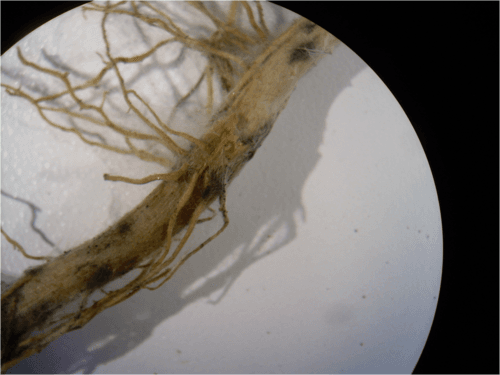
- Remove the bulb from the soil to inspect the roots.
- Smell the soil for a sour or rotten odor.
- Check the pot for blocked drainage holes.
Likely causes
Poor Drainage
Most likelyHow to tell: The soil stays wet for more than two weeks. The base of the plant may feel soft or smell bad.
What to do: Repot the bulb into a well draining mix of grit and potting soil. Trim away any black or mushy roots with clean scissors.
Watering During Dormancy
PossibleHow to tell: The bulb rots while the plant is supposed to be resting. This happens if you keep the soil moist in summer.
What to do: Stop all watering immediately. Move the bulb to a dry, airy location to let it recover.
Find out what's wrong with your chilean blue crocus
The list above covers the usual causes. Pocket Botanist looks at a photo of your actual plant and tells you the likely cause, how serious it is, and what to try first. Identification and a health check are free.



Scan with your phone's camera to get the app
Or go to pocketbotanist.app/get on your phone
When to worry
If the bulb itself is soft or mushy, it is likely too late to save it.
Stopping it coming back
Use a very gritty, fast draining soil mix and never water while the plant is dormant.
Chilean Blue Crocus: root rot? Check yours with a photo
Every plant is a little different. Take a photo of your chilean blue crocus and Pocket Botanist tells you which cause is most likely, how serious it is, and what to try first. A few checks a day are free. Save the plant and you get care reminders timed for it.
Scan with your phone's camera to get the app
Or go to pocketbotanist.app/get on your phone
Get the app · Or check it from a photo now, free
Questions people ask
- Can I save a bulb with rot?
- If the rot is minor, you can cut away the bad parts and let the bulb dry before repotting in fresh soil.
- How often should I water to avoid this?
- Water every 7 to 14 days, but only when the top inch of soil is dry.
More problems with Chilean Blue Crocus
Back to the Chilean Blue Crocus guide
This article was generated with AI on from the plant’s care profile and is general information, not horticultural advice. Read about how we build these guides.