 Pocket Botanist
Plant guide
Chilean Blue Crocus.
Tecophilaea cyanocrocus
Pronounced tek-oh-fill-EE-ah sigh-an-oh-KRO-kus
Also known as Chilean Blue Crocus, Chilean blue-crocus, Chilean-crocus



Scan with your phone's camera to get the app
Or go to pocketbotanist.app/get on your phone
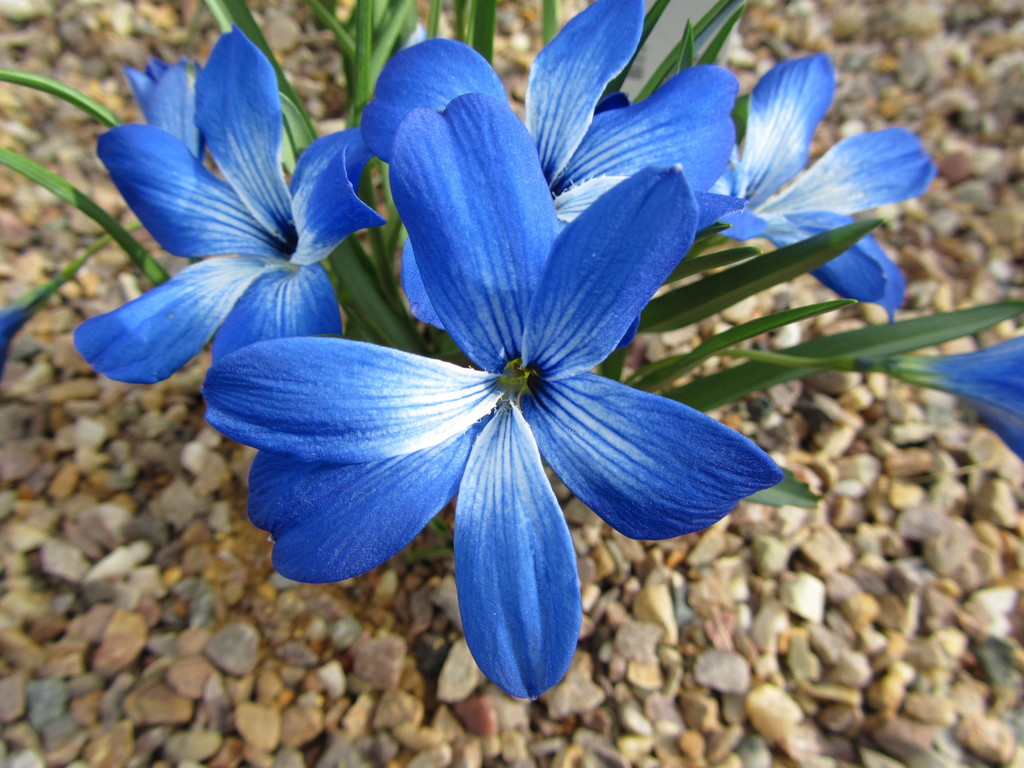
The Chilean Blue Crocus is a rare and stunning bulbous plant from the Andes. It produces intense, gentian blue flowers that are highly prized by collectors. It is a true gem for those who enjoy a challenge in the garden.

At a glance
- Care level
- Difficult
- Plant type
- Bulbous perennial
- Light
- Full sun to partial shade
- Indoor light
- Bright indirect
- Water
- Every 7 to 14 days
- Mature size
- 10 to 15 cm
- Growth rate
- Slow
- Hardiness
- USDA 7 to 9
- Bloom time
- Late winter to early spring
Care
This plant requires a very well draining, gritty soil mix to prevent rot. Keep it cool and dry during its summer dormancy period. Watch for signs of excess moisture, as the corms are quite sensitive to damp conditions.
- Watering
- Water regularly during the active growing season but keep completely dry while dormant.
- Feeding
- Apply a low nitrogen, potassium rich fertilizer during the active growth phase.
- Pruning
- Remove dead foliage only after it has completely withered and turned brown.
- Repotting
- Repot only when the corms become overcrowded or the soil quality degrades.
- Soil
- Gritty, well draining, sandy soil
- Soil pH
- Neutral to slightly acidic
- Temperature
- -5 to 30°C
- Humidity
- 40 to 60%
- Drought tolerance
- High
- Lifespan
- Perennial, typically 5 to 10 years
- Fragrance
- Light
- Deer and rabbits
- Moderate
Signs it needs repotting
- Bulbs becoming crowded in the pot
- Poor flowering performance
- Soil becoming compacted
Safety
- People
- The plant is not known to be toxic, but it is not intended for human consumption.
- Children
- Keep bulbs away from small children as they can be a choking hazard if swallowed.
- Edibility
- This plant is not considered edible and should not be consumed.
How to identify it
- Intense gentian blue, trumpet shaped flowers
- White throat with dark blue veining
- Narrow, grass like basal foliage
- Small, corm based growth habit
- Height
- 0.05 to 0.15m
- Spread
- 0.05 to 0.1m
- Leaves
- green, deciduous
- Flowers
- blue, white, 3 to 5cm
Problems to watch for
- Bulb RotCommon
- Root RotUncommon
- Slugs and SnailsUncommon
- AphidsRare
Check your chilean blue crocus from a photo
Pocket Botanist looks at a photo of your plant and tells you what's wrong and what to try first.
Scan with your phone's camera to get the app
Or go to pocketbotanist.app/get on your phone
Growing it
- Propagation
- seed, division
- When to plant
- autumn
- Overwintering
- Keep the soil relatively dry and protect from extreme frost in pots. Ensure the bulbs do not sit in freezing, waterlogged soil.
- In containers
- It thrives in containers, especially in alpine pans, provided the drainage is perfect.
Seed
- 1. Sow seeds in autumn in a gritty mix.
- 2. Keep the pot in a cold frame.
- 3. Germination usually occurs in late winter.
Pair with other small, drought tolerant bulbs that appreciate a dry summer rest.
Grows well with
- Snowdrop · They share similar environmental needs and bloom timing.
- Miniature Daffodil · These provide a nice contrast in color and form.
Similar species
- Spring Crocus · They have a similar growth habit and flowering time.
Science
- Family
- Tecophilaeaceae
- Genus
- Tecophilaea
- Order
- Asparagales
- Class
- Liliopsida
- Native range
- Central Chile
- Conservation
- It is highly protected in its native Chile and rare in cultivation.
It grows on rocky, well drained slopes where it experiences wet winters and very dry summers.
- Value to wildlife
- early season nectar source
- Pollinators
- bees
- Uses
- rock gardens, alpine houses, containers
Through the year
Ecological indicators
- Salinity
- 1/9
- Soil reaction
- 6/9
- Light
- 7/9
- Temperature
- 5/9
- Moisture
- 3/9
- Nutrients
- 4/9
Taxonomy resolved against GBIF.
Questions people ask
- Why did my plant disappear?
- It is likely in its natural summer dormancy phase.
- Can I grow this outdoors?
- Only in mild climates with excellent drainage and protection from summer rain.
Where the name comes from
The genus honors Tecophila Billotti, daughter of the Italian botanist Luigi Colla, while the species name refers to its crocus like appearance.
Good to know
- It is often called the Chilean Blue Crocus.
- The flowers are famous for their intense, electric blue color.
- It requires a strict dry summer dormancy to survive.
- It is a prized specimen for alpine plant enthusiasts.
Also in
Keep your chilean blue crocus growing
This page is a general guide. Save your plant in Pocket Botanist and you get care reminders timed for this plant, plus a care history that shows what worked.
Scan with your phone's camera to get the app
Or go to pocketbotanist.app/get on your phone
This guide was generated with AI on and checked against GBIF taxonomy. It is general information, not horticultural or veterinary advice. Read about how we build these guides.