 Pocket Botanist
Guía de plantas
Oreja de Elefante.
Alocasia
Pronunciación al-oh-KAY-zee-uh
También se conoce como Taro


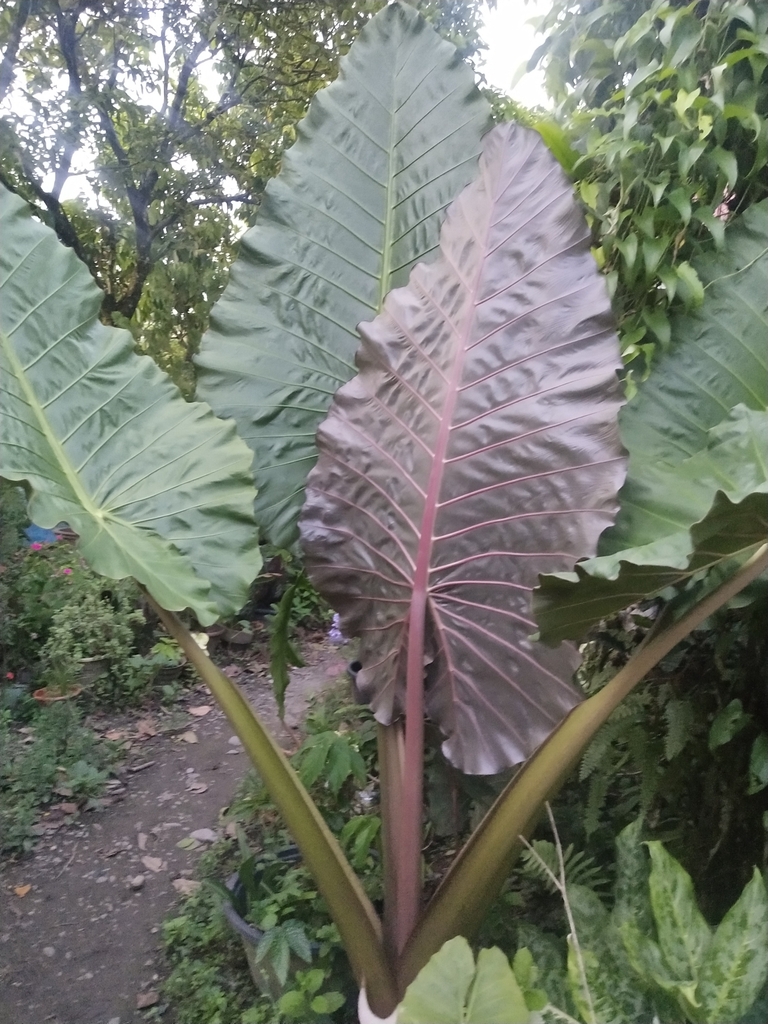
Las Alocasias son plantas tropicales impresionantes conocidas por sus espectaculares hojas en forma de flecha. Prosperan en ambientes cálidos y húmedos que imitan el suelo de sus bosques nativos. Estas plantas aportan un toque audaz a cualquier colección de interior.
De un vistazo
- Nivel de cuidados
- Media
- Tipo de planta
- Perenne tropical
- Luz
- Luz brillante y filtrada es lo mejor.
- Luz en interior
- Luz indirecta brillante
- Riego
- Cada 5 a 10 días
- Tamaño adulto
- Varía según la especie, típicamente de 60 a 150 cm.
- Ritmo de crecimiento
- Medio
- Rusticidad
- USDA 10 a 12
- Floración
- Rara vez florece en interiores, pero ocasionalmente a finales de primavera o verano.
Cuidados
Mantén la tierra consistentemente húmeda, pero nunca empapada, para prevenir la pudrición de las raíces. Observa si las hojas amarillean, lo que a menudo indica exceso de riego o mal drenaje. Proporciona mucha humedad ambiental para mantener el follaje en su mejor estado.
- Riego
- Riega cuando los 2 a 3 centímetros superiores de la tierra se sientan secos al tacto.
- Abonado
- Alimenta con un fertilizante líquido equilibrado durante la temporada de crecimiento activo.
- Poda
- Retira las hojas amarillas o dañadas en la base del pecíolo para fomentar el nuevo crecimiento.
- Trasplante
- Trasplanta cuando la planta se quede sin espacio en la maceta o la tierra se degrade.
- Suelo
- Mezcla para aroid bien drenada y compacta.
- pH del suelo
- 5.5 a 6.5
- Temperatura
- 15 a 29°C
- Humedad
- 60 a 90%
- Tolerancia a la sequía
- Baja
- Longevidad
- Perenne, típicamente de 5 a 10 años con el cuidado adecuado.
- Resistencia a ciervos y conejos
- Moderada
Señales de que necesita trasplante
- Las raíces crecen fuera de los agujeros de drenaje.
- El agua pasa directamente a través de la maceta sin empaparse.
- La planta deja de producir hojas nuevas durante la temporada de crecimiento.
Seguridad
- Personas
- La planta contiene cristales de oxalato de calcio que causan ardor e hinchazón intensos en la boca y la garganta.
- Mascotas
- Esta planta es tóxica para gatos y perros si se ingiere debido a los cristales de oxalato de calcio.
- Niños
- Mantenga esta planta fuera del alcance de los niños, ya que la ingestión de cualquier parte es peligrosa.
- Alérgenos por contacto
- La savia puede causar irritación en la piel o dermatitis en personas sensibles.
- Alérgenos en el aire
- No hay evidencia significativa de alergias respiratorias.
- Comestibilidad
- Todas las partes de esta planta son tóxicas si se ingieren y pueden causar irritación severa.
Cómo identificarla
- Hojas grandes, en forma de corazón o flecha
- Venas de la hoja prominentes y elevadas
- Petiolos largos, robustos, parecidos a suculentas
- Textura de hoja brillante o aterciopelada
- Altura
- 0,3 a 1,5m
- Anchura
- 0,3 a 1,2m
- Hojas
- verde, bronce, plata, púrpura, perenne
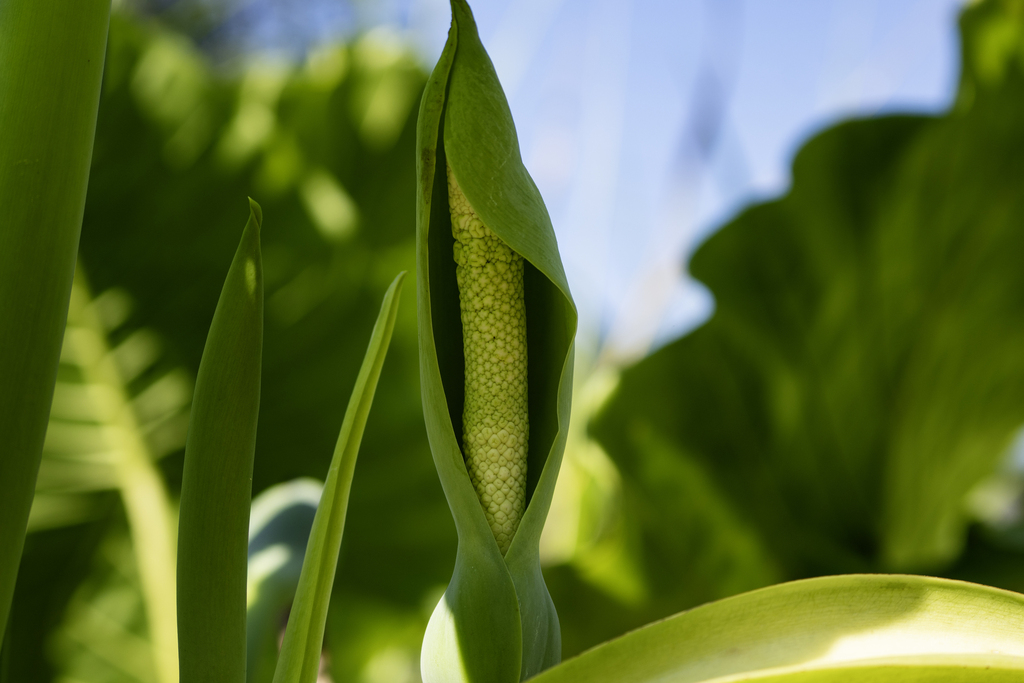
- Flores
- blanco, verde, crema, 5 a 15cm
- Frutos
- rojo, naranja, Raramente produce frutos en cultivo.
Problemas a vigilar
- Araña rojaComún
- Moscas del mantilloComún
- Podredumbre radicularComún
- ClorosisPoco común
- CochinillasPoco común
- Cochinillas algodonosasPoco común
- Manchas foliaresPoco común
- EdemaRara
- Pudrición de raíces — Decaimiento fúngico causado por tierra demasiado húmeda y mal drenaje.
Por síntoma
Revisa tu oreja de elefante con una foto
Pocket Botanist mira una foto de tu planta y te dice qué le pasa y qué probar primero.
Cómo cultivarla
- Propagación
- división, esquejes de rizoma
- Cuándo plantar
- primavera, verano
- Cuidados en invierno
- Reduzca significativamente el riego durante los meses más fríos, ya que la planta entra en un período de crecimiento más lento. Manténgala alejada de corrientes de aire frío o rejillas de calefacción.
- En maceta
- Crecen muy bien en contenedores, siempre que la maceta tenga un excelente drenaje y sea del tamaño adecuado para que el cepellón quede ajustado.
División de hijuelos
- Saque suavemente la planta de su maceta.
- Identifique pequeños cormos o hijuelos adheridos al sistema radicular principal.
- Sepárelos con cuidado con una hoja afilada y limpia.
- Plante los hijuelos en una maceta pequeña con tierra bien drenada.
- Mantenga la tierra ligeramente húmeda hasta que aparezca nuevo crecimiento.
Agrupe las plantas tropicales amantes de la humedad para crear un microclima que aumente la humedad ambiental.
Buenas compañeras
- Helecho de Boston — Comparten requisitos similares de alta humedad y luz indirecta.
- Filodendro neón — Estas plantas prosperan en las mismas condiciones tropicales que la Alocasia.
Especies parecidas
- Taro — A menudo se confunde debido a la forma similar de la hoja, pero la Colocasia prefiere un suelo aún más húmedo.
- Alas de ángel — Comparte la misma familia y estética tropical, pero es más pequeño y tiene tubérculos.
Ciencia
- Familia
- Araceae
- Género
- Alocasia
- Orden
- Alismatales
- Clase
- Liliopsida
- Distribución natural
- Asia tropical y subtropical y el este de Australia.
- Conservación
- Algunas especies silvestres están amenazadas por la pérdida de hábitat y la sobreexplotación.
Estas plantas crecen en el sotobosque sombreado y húmedo de las selvas tropicales.
- Valor para la fauna
- proporciona refugio
- Polinizadores
- escarabajos
- Usos
- planta de interior ornamental, acento de jardín tropical
A lo largo del año
Indicadores ecológicos
- Salinidad
- 2/9
- Reacción del suelo
- 6/9
- Temperatura
- 8/9
- Humedad
- 7/9
- Nutrientes
- 6/9
- Luz
- 4/9
Taxonomía cotejada con GBIF.
Lo que más preguntan
- ¿Por qué mis hojas gotean agua?
- Esto se llama gutación, donde la planta libera el exceso de humedad a través de sus hojas.
- ¿Con qué frecuencia debo regar?
- Riega cuando los primeros centímetros superiores de la tierra se sientan secos al tacto.
De dónde viene el nombre
El nombre Alocasia proviene de las palabras griegas 'a', que significa sin, y 'locasia', un tipo de nenúfar. Fue nombrado para distinguirlo del género Colocasia.
Bueno saberlo
- Las hojas de Alocasia pueden crecer más de un metro de largo en su hábitat nativo.
- Pertenecen a la familia Araceae, emparentadas con los lirios de la paz.
- Las hojas a menudo tienen una capa cerosa para desechar la lluvia tropical intensa.
También en
Que tu oreja de elefante siga creciendo
Esta página es una guía general. Guarda tu planta en Pocket Botanist y tendrás recordatorios de cuidado pensados para esta planta, además de un historial de cuidados que muestra qué ha funcionado.
Esta guía se ha generado con IA y se ha cotejado con la taxonomía de GBIF. Es información general, no asesoramiento botánico ni veterinario. Descubre cómo elaboramos estas guías.