 Pocket Botanist
Guide botanique
Oreille d'éléphant.
Alocasia
Prononciation al-oh-KAY-zee-uh
Aussi appelée Taro


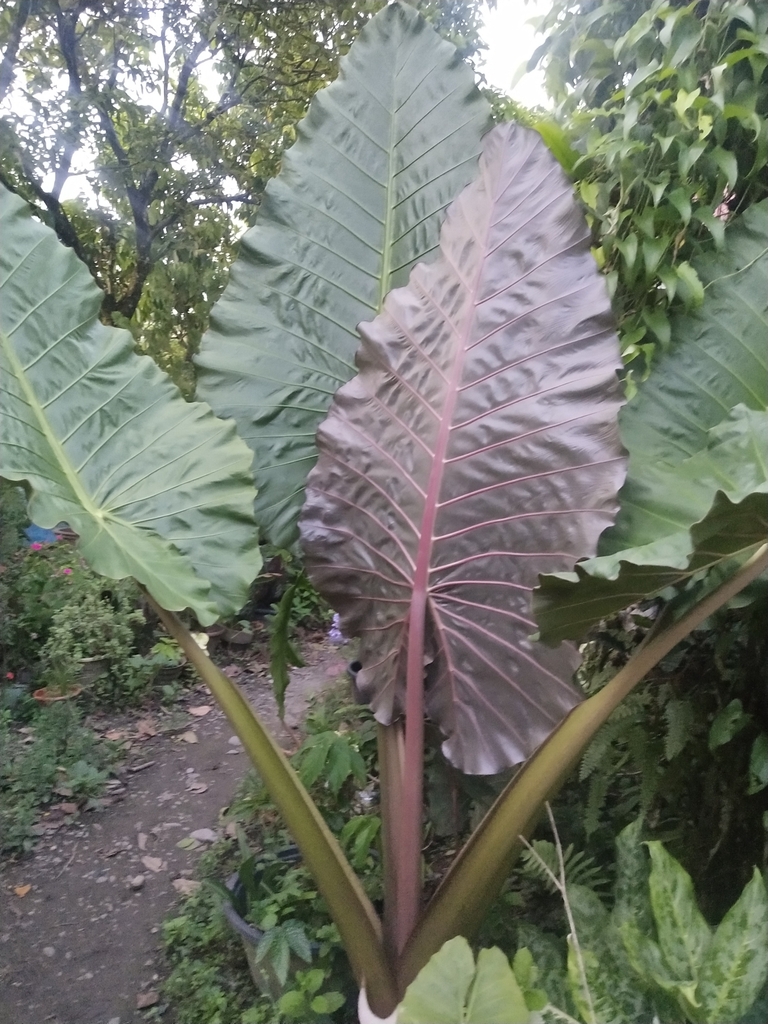
Les Alocasias sont de magnifiques plantes tropicales connues pour leurs feuilles spectaculaires en forme de flèche. Elles prospèrent dans des environnements chauds et humides qui imitent le sol de leurs forêts natales. Ces plantes font une déclaration audacieuse dans toute collection d'intérieur.
En un coup d'œil
- Niveau d'entretien
- Moyenne
- Type de plante
- Plante vivace tropicale
- Lumière
- Une lumière vive et filtrée est préférable.
- Lumière en intérieur
- Lumière vive indirecte
- Arrosage
- Tous les 5 à 10 jours
- Taille adulte
- Varie selon l'espèce, généralement 60 à 150 cm.
- Croissance
- Moyenne
- Rusticité
- USDA 10 à 12
- Floraison
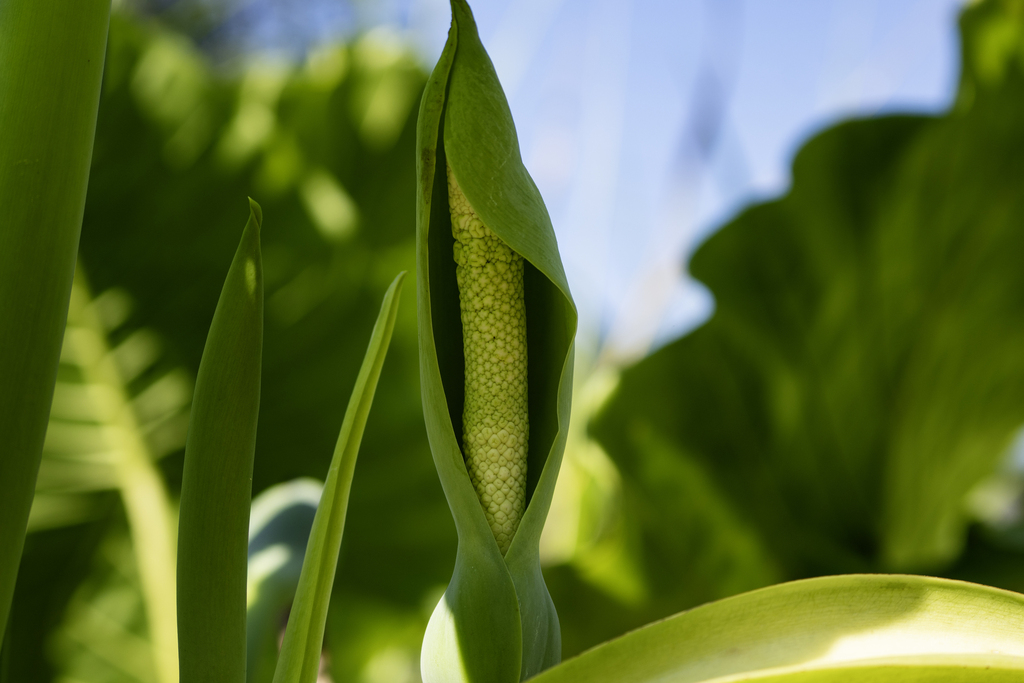
- Fleurit rarement à l'intérieur, mais occasionnellement à la fin du printemps ou en été.
Entretien
Gardez le sol constamment humide mais jamais détrempé pour éviter la pourriture des racines. Surveillez le jaunissement des feuilles, qui signale souvent un arrosage excessif ou un mauvais drainage. Fournissez beaucoup d'humidité ambiante pour que le feuillage reste au mieux de sa forme.
- Arrosage
- Arrosez lorsque les 2 à 3 centimètres supérieurs du sol sont secs au toucher.
- Engrais
- Nourrissez avec un engrais liquide équilibré pendant la saison de croissance active.
- Taille
- Retirez les feuilles jaunes ou endommagées à la base du pétiole pour encourager la nouvelle croissance.
- Rempotage
- Rempotez lorsque la plante devient à l'étroit dans son pot ou que le sol se dégrade.
- Sol
- Mélange aroid bien drainant et grossier.
- pH du sol
- 5,5 à 6,5
- Température
- 15 à 29°C
- Humidité
- 60 à 90%
- Résistance à la sécheresse
- Faible
- Durée de vie
- Vivace, généralement de 5 à 10 ans avec des soins appropriés.
- Résistance aux chevreuils et lapins
- Moyenne
Signes qu'il faut rempoter
- Les racines sortent des trous de drainage.
- L'eau traverse directement le pot sans s'infiltrer.
- La plante cesse de produire de nouvelles feuilles pendant la saison de croissance.
Sécurité
- Humains
- La plante contient des cristaux d'oxalate de calcium qui provoquent des brûlures intenses et un gonflement de la bouche et de la gorge.
- Animaux
- Cette plante est toxique pour les chats et les chiens en cas d'ingestion en raison des cristaux d'oxalate de calcium.
- Enfants
- Gardez cette plante hors de portée des enfants car l'ingestion de toute partie est dangereuse.
- Allergènes de contact
- La sève peut provoquer une irritation cutanée ou une dermatite chez les personnes sensibles.
- Allergènes aéroportés
- Il n'y a pas de preuve significative d'allergies respiratoires.
- Comestibilité
- Toutes les parties de cette plante sont toxiques si ingérées et peuvent provoquer une irritation sévère.
Comment l'identifier
- Grandes feuilles en forme de cœur ou de flèche
- Vaines foliaires proéminentes et surélevées
- Pétioles longs, robustes, semblables à des succulentes
- Texture de feuille brillante ou veloutée
- Hauteur
- 0,3 à 1,5m
- Envergure
- 0,3 à 1,2m
- Feuilles
- vert, bronze, argent, violet, sempervirent
- Fleurs
- blanc, vert, crème, 5 à 15cm
- Fruits
- rouge, orange, Produit rarement de fruits en culture.
Problèmes à surveiller
- Mouches du terreauCourant
- Pourriture des racinesCourant
- TétranyquesCourant
- ChlorosePeu courant
- CochenillesPeu courant
- Cochenilles farineusesPeu courant
- Taches foliairesPeu courant
- ŒdèmeRare
- Acariens — De minuscules nuisibles qui prospèrent dans l'air sec et provoquent des marbrures sur les feuilles.
Par symptôme
Vérifie la santé de ta plante en photo
Pocket Botanist analyse une photo de ta plante et te dit ce qui ne va pas et quoi essayer en premier.
La cultiver
- Multiplication
- division, boutures de rhizomes
- Quand planter
- printemps, été
- Hivernage
- Réduisez considérablement l'arrosage pendant les mois les plus froids, car la plante entre dans une période de croissance plus lente. Gardez-la à l'abri des courants d'air froids ou des bouches de chauffage.
- En pot
- Ils poussent très bien en pots, à condition que le pot ait un excellent drainage et soit dimensionné pour s'adapter confortablement à la motte.
Division des rejets
- Retirez délicatement la plante de son pot.
- Identifiez les petits cormes ou rejets attachés au système racinaire principal.
- Séparez-les soigneusement avec une lame propre et tranchante.
- Plantez les rejets dans un petit pot avec un sol bien drainant.
- Gardez le sol légèrement humide jusqu'à l'apparition de nouvelles pousses.
Regroupez les plantes tropicales aimant l'humidité pour créer un microclimat qui augmente l'humidité ambiante.
Bonnes associations
- Fougère de Boston — Ils partagent des exigences similaires en matière de forte humidité et de lumière indirecte.
- Philodendron Néon — Ces plantes prospèrent dans les mêmes conditions tropicales que l'Alocasia.
Espèces similaires
- Taro — Souvent confondu en raison de la forme similaire des feuilles, mais le Colocasia préfère un sol encore plus humide.
- Ailes d'ange — Partage la même famille et l'esthétique tropicale, mais est plus petit et tubéreux.
Science
- Famille
- Araceae
- Genre
- Alocasia
- Ordre
- Alismatales
- Classe
- Liliopsida
- Région d'origine
- Asie tropicale et subtropicale et Australie orientale.
- Préservation
- Certaines espèces sauvages sont menacées par la perte d'habitat et la surcollecte.
Ces plantes poussent dans le sous-étage ombragé et humide des forêts tropicales.
- Intérêt pour la faune
- fournit un abri
- Pollinisateurs
- coléoptères
- Utilisations
- plante d'intérieur ornementale, accent de jardin tropical
Au fil des saisons
Repères écologiques
- Salinité
- 2/9
- Réaction du sol
- 6/9
- Température
- 8/9
- Humidité
- 7/9
- Nutriments
- 6/9
- Lumière
- 4/9
Taxonomie vérifiée avec le GBIF.
Ce qu'on demande souvent
- Pourquoi mes feuilles gouttent-elles de l'eau ?
- C'est ce qu'on appelle la guttation, où la plante libère l'excès d'humidité par ses feuilles.
- À quelle fréquence dois-je arroser ?
- Arrosez lorsque les quelques centimètres supérieurs du sol sont secs au toucher.
D'où vient le nom
Le nom Alocasia vient des mots grecs a, signifiant sans, et locasia, un type de nénuphar. Il a été nommé pour le distinguer du genre Colocasia.
Bon à savoir
- Les feuilles d'Alocasia peuvent dépasser un mètre de long dans leur habitat d'origine.
- Ils font partie de la famille des Araceae, apparentés aux lis de la paix.
- Les feuilles ont souvent un revêtement cireux pour évacuer les fortes pluies tropicales.
Aussi dans
Garde ta plante en pleine forme
Cette page est un guide général. Enregistre ta plante dans Pocket Botanist et tu reçois des rappels d'entretien adaptés à cette plante, ainsi qu'un historique d'entretien qui montre ce qui a marché.
Ce guide a été généré par IA et vérifié avec la taxonomie du GBIF. Il s'agit d'informations générales, et non de conseils horticoles ou vétérinaires. Découvre comment nous concevons ces guides.