 Pocket Botanist
Plant guide
African violet.
Saintpaulia ionantha
Pronounced strep-toe-KAR-pus eye-oh-NAN-thus
Also known as Saintpaulia ionantha, African-violet, Usambara-violet



Scan with your phone's camera to get the app
Or go to pocketbotanist.app/get on your phone
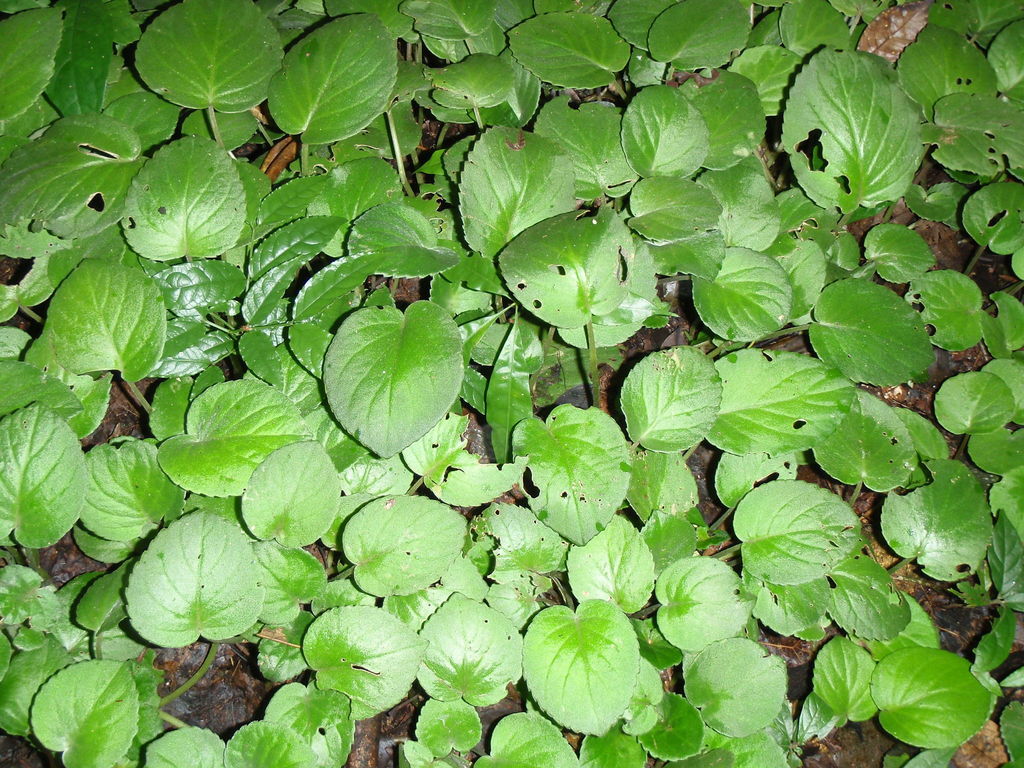
African violets are charming, compact houseplants famous for their fuzzy leaves and constant blooms. They thrive in consistent, warm indoor environments with bright, filtered light. These plants add a lovely splash of color to any windowsill.
At a glance
- Care level
- Moderate
- Plant type
- Herbaceous perennial
- Light
- Bright indirect light is best.
- Indoor light
- Bright indirect
- Water
- Every 5 to 10 days
- Mature size
- 15 to 20 cm tall
- Growth rate
- Slow
- Hardiness
- USDA 10 to 12
- Bloom time
- Spring to autumn
Care
Keep the soil consistently moist but never soggy, and always water from the bottom to avoid spotting the leaves. Watch for yellowing leaves or crown rot, which often signal overwatering. Provide high humidity and avoid cold drafts to keep your plant happy.
- Watering
- Water when the top centimeter of soil feels dry to the touch.
- Feeding
- Use a balanced liquid fertilizer diluted to half strength during the growing season.
- Pruning
- Remove spent flowers and yellowing leaves to encourage new growth.
- Repotting
- Repot when the plant becomes root bound in its current container.
- Soil
- Well draining peat based mix
- Soil pH
- 6.0 to 6.5
- Temperature
- 15 to 24°C
- Humidity
- 50 to 80%
- Drought tolerance
- Low
- Lifespan
- Perennial, typically 3 to 5 years with proper care.
- Deer and rabbits
- Moderate
Signs it needs repotting
- Roots growing out of the drainage holes.
- Water running straight through the soil without soaking in.
- Stunted growth despite regular care.
Safety
- People
- The plant is generally considered non toxic to humans, though ingestion is not recommended.
- Pets
- This plant is non-toxic to cats and dogs.
- Children
- Keep out of reach of small children to prevent accidental ingestion of soil or plant parts.
- Contact allergens
- The fuzzy leaves can trap dust or irritants that might bother sensitive skin.
- Airborne allergens
- There are no significant reports of respiratory allergies associated with this plant.
- Edibility
- This plant is not intended for consumption and may cause digestive upset if ingested.
How to identify it
- Fuzzy, dark green succulent leaves
- Compact, low growing rosette habit
- Five petaled flowers in clusters
- Yellow centers on most blooms
- Height
- 0.1 to 0.2m
- Spread
- 0.15 to 0.3m
- Leaves
- dark green, evergreen
- Flowers
- purple, violet, blue, 2 to 4cm
Problems to watch for
- Fungus GnatsCommon
- MealybugsCommon
- Root RotCommon
- Botrytis BlightUncommon
- Cyclamen MiteUncommon
- Powdery MildewUncommon
- ThripsUncommon
- ChlorosisRare
Check your african violet from a photo
Pocket Botanist looks at a photo of your plant and tells you what's wrong and what to try first.
Scan with your phone's camera to get the app
Or go to pocketbotanist.app/get on your phone
Growing it
- Propagation
- leaf cuttings, division, seed
- When to plant
- spring, summer
- Overwintering
- Keep the plant in a warm, draft-free location and reduce watering slightly as growth slows in winter.
- In containers
- It is excellent for pots, provided the container has good drainage and is not overly large.
Leaf Cuttings
- 1. Cut a healthy leaf from the main plant.
- 2. Insert the cut end into a moist, well-draining potting mix.
- 3. Cover with a clear plastic bag to maintain humidity.
- 4. Keep in bright, indirect light until new plantlets emerge.
Group plants with similar moisture needs together to create a localized humid microclimate.
Grows well with
- African Violet · They share similar light and humidity requirements.
- Ferns · Ferns provide the high humidity that this plant enjoys.
Similar species
- Cape Primrose · It is a close relative with similar growth habits.
Science
- Family
- Gesneriaceae
- Genus
- Streptocarpus
- Order
- Lamiales
- Class
- Magnoliopsida
- Native range
- Eastern Africa, specifically Tanzania and Kenya.
- Conservation
- It is not currently listed as endangered, but wild populations are sensitive to habitat loss.
It grows naturally on shaded rocky cliffs and in moist forest understories.
- Value to wildlife
- nectar source
- Pollinators
- bees
- Uses
- indoor ornamental, container plant, windowsill display
Through the year
Ecological indicators
- Salinity
- 2/9
- Soil reaction
- 6/9
- Temperature
- 7/9
- Light
- 4/9
- Moisture
- 6/9
- Nutrients
- 5/9
Taxonomy resolved against GBIF.
Questions people ask
- How often should I water it?
- Water when the top centimeter of soil feels dry to the touch.
- Does it need direct sun?
- No, it prefers bright, indirect light to avoid scorching the leaves.
Where the name comes from
The genus name comes from the Greek words for twisted fruit, while ionanthus refers to the violet-like flowers.
Good to know
- It belongs to the Gesneriad family, which also includes gloxinias and Cape primroses.
- The flowers are often held on stalks that rise above the foliage.
- It prefers to be watered from the bottom to keep the leaves dry.
Keep your african violet growing
This page is a general guide. Save your plant in Pocket Botanist and you get care reminders timed for this plant, plus a care history that shows what worked.
Scan with your phone's camera to get the app
Or go to pocketbotanist.app/get on your phone
This guide was generated with AI on and checked against GBIF taxonomy. It is general information, not horticultural or veterinary advice. Read about how we build these guides.