 Pocket Botanist

Check these first
- Inspect the undersides of the leaves with a magnifying glass.
- Look for tiny white skins shed by aphids on the sticky surfaces.
- Check if the flower stalks are wilting or covered in sticky residue.
Likely causes
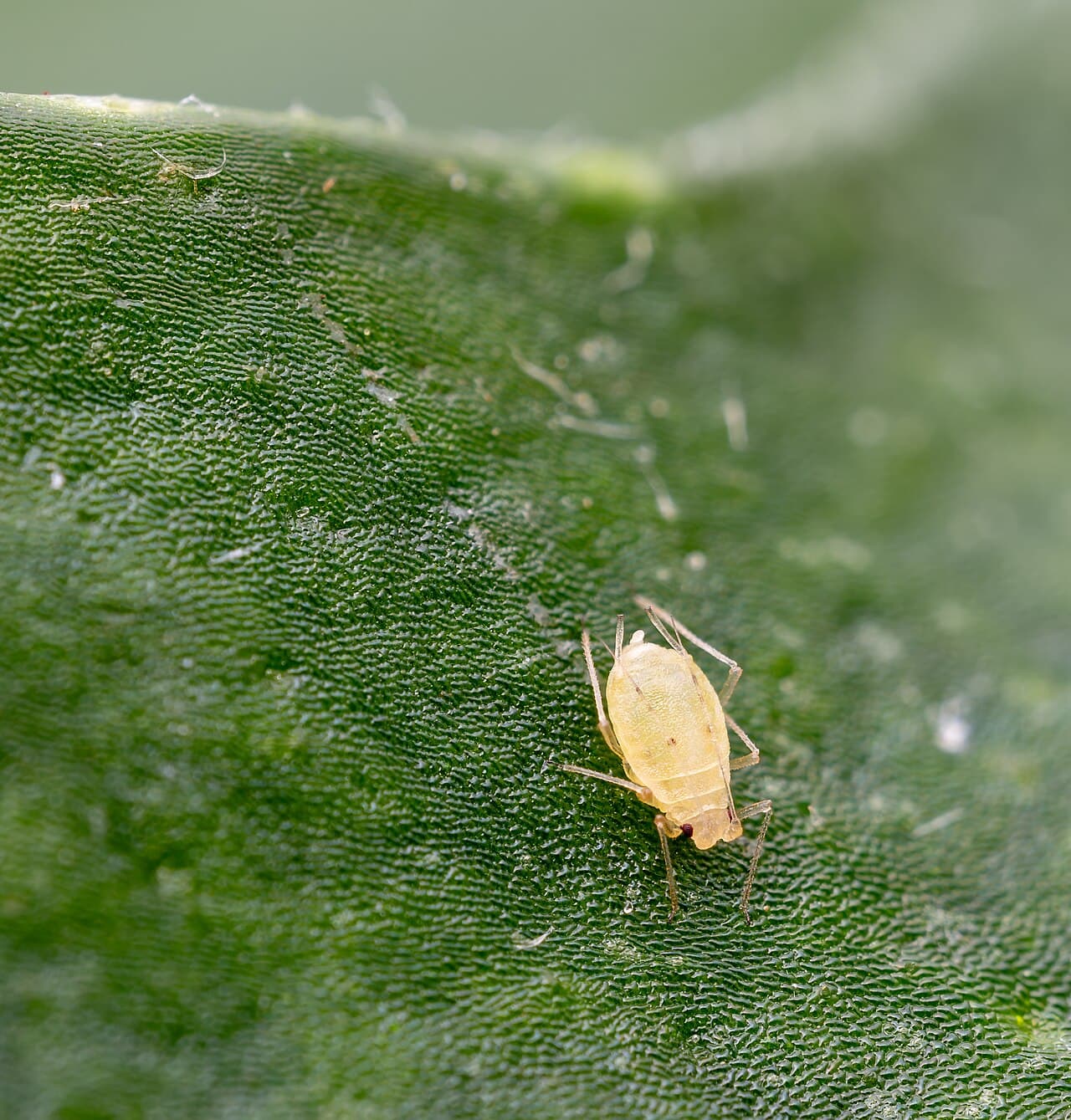
Aphids
Most likelyHow to tell: You will see clusters of tiny, soft bodied insects congregating on the new growth or flower stalks. They often cause the leaves to look distorted or stunted.
What to do: Gently wash the plant with a soft stream of distilled water to knock them off. If the infestation is heavy, you can use a mild insecticidal soap specifically labeled as safe for carnivorous plants, but avoid anything with oils or fertilizers.
Fungus Gnats
PossibleHow to tell: Small black flies hovering around the soil surface indicate larvae might be feeding on the roots. You might notice the plant looking generally unhappy or weak.
What to do: Place yellow sticky traps near the pot to catch the adults. Ensure your water tray is not stagnant and allow the water to cycle through fresh every few days to discourage larvae.
Find out what's wrong with your cape sundew
The list above covers the usual causes. Pocket Botanist looks at a photo of your actual plant and tells you the likely cause, how serious it is, and what to try first. Identification and a health check are free.



Scan with your phone's camera to get the app
Or go to pocketbotanist.app/get on your phone
When to worry
If you see the plant losing its dew or the leaves curling inward, act immediately. A few stray gnats are annoying, but an aphid colony can kill the plant quickly.
Stopping it coming back
Keep your plant away from other infested houseplants and ensure good air circulation. Always quarantine new plants for two weeks before placing them near your sundew.
Cape sundew: pests? Check yours with a photo
Every plant is a little different. Take a photo of your cape sundew and Pocket Botanist tells you which cause is most likely, how serious it is, and what to try first. A few checks a day are free. Save the plant and you get care reminders timed for it.
Scan with your phone's camera to get the app
Or go to pocketbotanist.app/get on your phone
Get the app · Or check it from a photo now, free
Questions people ask
- Can I use neem oil on my sundew?
- No, do not use neem oil. It can clog the pores of the leaves and damage the delicate glands that produce the sticky dew.
- Will the bugs eat the sundew?
- Aphids will suck the sap, which weakens the plant. They do not get digested like the prey the plant catches for food.
Guides to these causes
More problems with Cape sundew
This article was generated with AI on from the plant’s care profile and is general information, not horticultural advice. Read about how we build these guides.