 Pocket Botanist
Symptoms by part
Stems
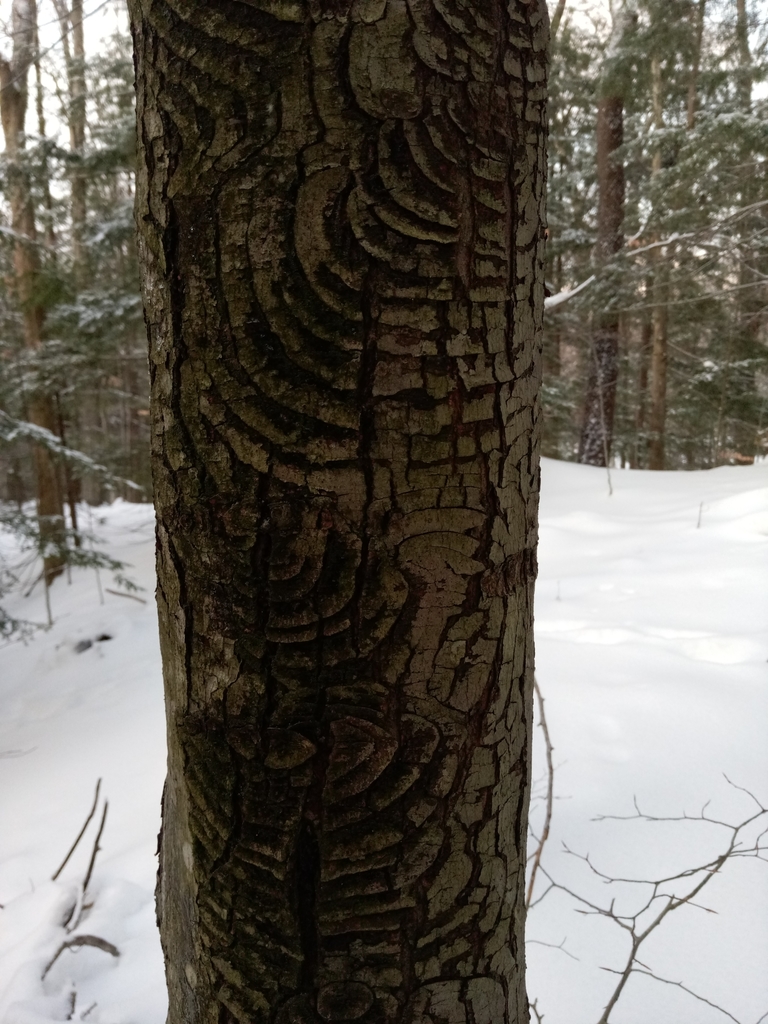
You will see white, woolly patches of scale insects on the bark, followed by orange or red fungal fruiting bodies that emerge from cracks in the bark as the disease progresses.
Causes
- The presence of the beech scale insect, which creates feeding wounds in the bark.
- Subsequent infection by Nectria fungi that enter the tree through those specific wounds.
Could be confused with
- Beech blight aphid · These insects produce white, fluffy wax that looks like dancing cotton on twigs, but they do not cause the deep, sunken bark lesions associated with Beech Bark Disease.
- Lichens · Lichens are crusty or leafy growths on the bark that are harmless and do not cause the sunken, dead patches or fungal fruiting bodies seen with this disease.
Find out what's really wrong with your plant
Problems that look alike are easy to mix up. Pocket Botanist looks at a photo of your actual plant and tells you what's going on, how serious it is, and what to try first. Identification and a health check are free.



Scan with your phone's camera to get the app
Or go to pocketbotanist.app/get on your phone
Treatment
- Scrub the white, woolly scale insects off the trunk using a stiff brush during the warm growing season to reduce the number of entry points for the fungus.
- Prune away and destroy any heavily infested branches that show signs of deep bark cracking or fungal growth.
- Remove severely infected trees that have extensive bark death to prevent the spread of the scale insect to healthy neighbors.
Without chemicals
- Physical removal of scale insects with a brush.
- Sanitation pruning of affected wood.
- Removal of heavily infested trees.
Chemical options
- Fatty acids, apply as a spray to the trunk to target scale insects, follow the label.
Preventing it
- Avoid moving firewood from infested areas to new locations.
- Keep trees healthy and vigorous to help them resist secondary infections.
- Inspect the bark of your trees regularly for the first signs of white, woolly scale.
Season
The warm growing season is when the scale insects are most active and visible on the bark.
Spread risk
High
Severity
High
When to act
Act as soon as you notice the white, woolly scale insects on the bark. If you see large areas of dead, sunken bark or fungal fruiting bodies, consult a tree surgeon to determine if the tree needs to be removed for safety.
Keep your plants healthy from here
Save your plants in Pocket Botanist and you get care reminders timed for each one, plus a care history that shows what worked. Identification and a health check are free.
Questions people ask
- Will my beech tree definitely die if it has this disease?
- Not necessarily, but it is a very serious condition. Early intervention to manage the scale population can help some trees survive, but many eventually succumb to the fungal infection.
- Can I save a tree that already has fungal fruiting bodies?
- Once the fungus has established and created large, sunken lesions, it is very difficult to save the tree. You should focus on managing the scale to protect any nearby healthy beech trees.
Plants it affects
Answers plant by plant
This guide was generated with AI on and is general information, not horticultural advice. Read about how we build these guides.