 Pocket Botanist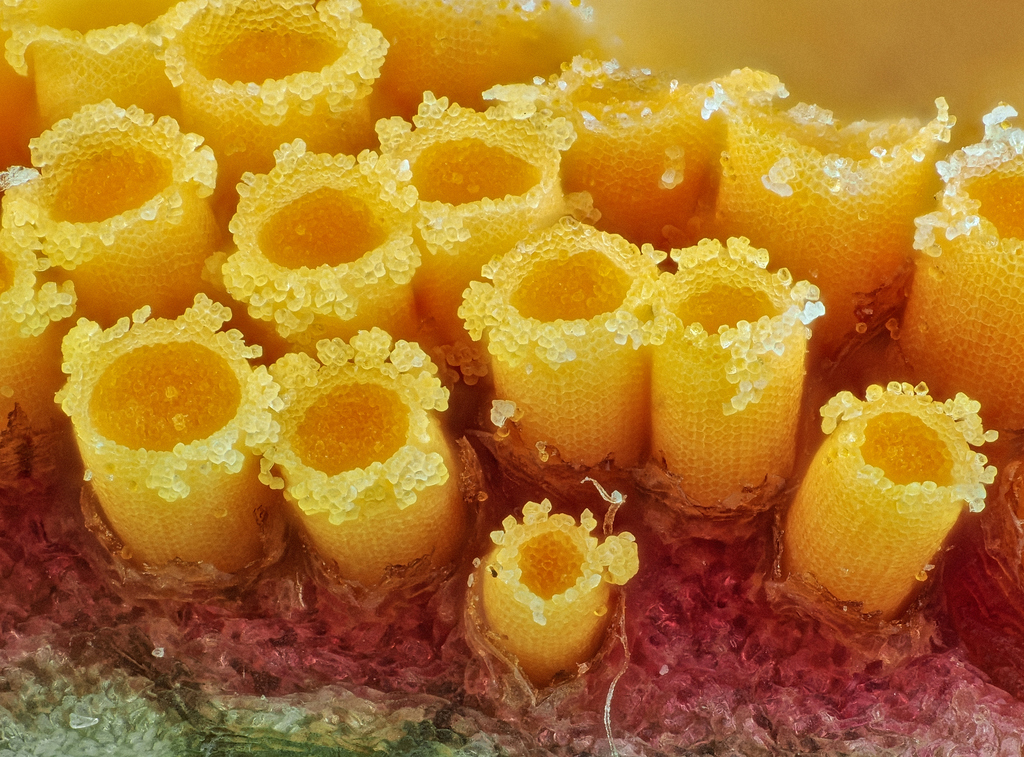
Symptoms by part
Leaves
Small, powdery orange or yellow pustules appear on the surface, which eventually turn dark brown or black as the season progresses.
Stems
Elongated, reddish brown pustules break through the outer layer of the stem, often causing the tissue to shred or peel.
Causes
- Prolonged periods of leaf wetness from dew or rain.
- High humidity levels during the growing phase.
- Temperatures between 15 to 25 degrees Celsius.
- Presence of infected plant debris from previous seasons.
Could be confused with
- Nutrient deficiency · Nutrient issues typically cause yellowing or browning of entire leaf sections without the characteristic raised, powdery pustules found in rust.
- Leaf spot diseases · Leaf spots usually appear as flat, necrotic lesions with distinct borders rather than the eruptive, spore-filled pustules of rust.
Treatment
- Remove and destroy severely infected plant parts immediately to reduce the local spore count.
- Improve air circulation around the plants by thinning out dense stands or increasing spacing.
- Apply tebuconazole to the foliage when early signs of pustules appear, follow the label.
Without chemicals
- Select and plant resistant crop varieties.
- Remove volunteer wheat plants and weeds that act as alternate hosts.
- Practice crop rotation to break the disease cycle in the soil.
- Ensure proper drainage to reduce humidity around the base of the plants.
Chemical options
- tebuconazole, apply as a foliar spray at the first sign of infection, follow the label.
- triticonazole, apply to foliage to inhibit fungal growth, follow the label.
Preventing it
- Use certified disease-free seeds for planting.
- Avoid overhead irrigation that keeps foliage wet for extended periods.
- Destroy crop residues after harvest to eliminate overwintering sites for spores.
- Maintain balanced soil fertility to ensure plants are not overly stressed.
Season
The warm growing season, particularly when moisture is abundant.
Spread risk
High
Severity
High
When to act
Act as soon as you notice the first orange or reddish pustules on the leaves or stems. If the infection covers more than half of the plant, it is best to remove and destroy the crop to prevent widespread contamination.
Think it's Wheat Rust?
This guide covers the general picture. Pocket Botanist looks at your actual plant from a photo and tells you what's really going on, how serious it is, and what to try first. Identification and a health check are free.


Questions people ask
- Can I compost plants infected with wheat rust?
- No, it is best to burn or bury infected material deeply, as standard home composting often does not reach the temperatures required to kill the fungal spores.
- Does wheat rust affect other plants in my garden?
- While it is highly specific to certain grasses and cereals, some strains can move between related species, so keep a close watch on any ornamental grasses nearby.
This guide was generated with AI and is general information, not horticultural advice. Read about how we build these guides.