 Pocket Botanist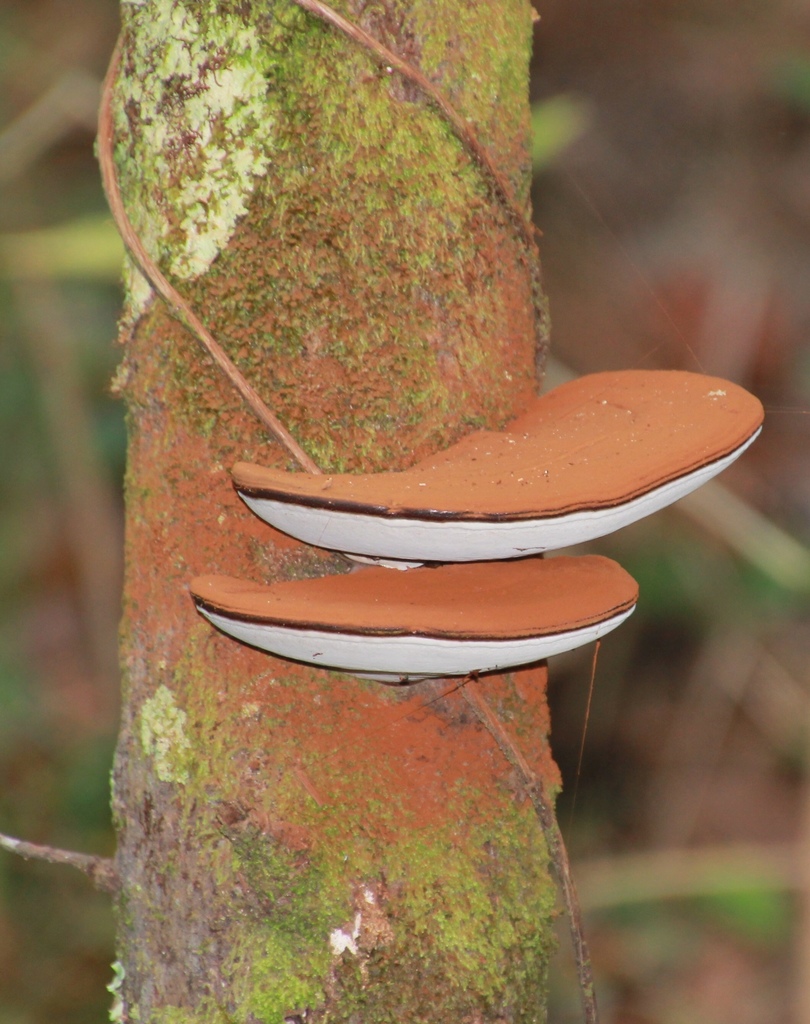
Symptoms by part
Stems
The base of the trunk shows internal rotting and discoloration, often accompanied by the emergence of hard, shelf like fungal fruiting bodies called conks.
Roots
Root systems become brittle and decayed, losing their ability to anchor the plant or transport moisture.
Causes
- High soil moisture levels
- Physical damage to the trunk or roots that creates entry points for spores
- Presence of infected plant debris in the soil
- Poor drainage around the base of the plant
Could be confused with
- Basal Stem Rot caused by other fungi · Ganoderma is specifically identified by the presence of its distinct, woody, shelf like fruiting bodies on the trunk.
- Nutrient deficiency · Deficiencies cause yellowing leaves without the structural decay or fungal growths associated with Ganoderma.
Treatment
- Remove and destroy any visible fungal conks from the trunk immediately to reduce spore production.
- Excavate the soil around the base of the trunk to inspect for further decay and improve airflow.
- Prune away any visibly rotting roots if they are accessible near the surface.
- Remove the entire plant and its root ball if the trunk decay is extensive to prevent spread to neighbors.
Without chemicals
- Improve soil drainage to prevent water from pooling at the base.
- Avoid wounding the trunk with lawn equipment or tools.
- Sanitize all pruning tools with a bleach solution between cuts to prevent spreading spores.
- Remove all infected plant material and stumps from the area to eliminate the source of the fungus.
Preventing it
- Ensure proper spacing between plants to allow for good air circulation.
- Keep the area around the base of the trunk clear of mulch and debris.
- Avoid overwatering or creating conditions where water sits against the stem.
- Inspect the base of your plants regularly for any signs of fungal growth.
Season
The warm growing season when humidity and temperatures are high.
Spread risk
Moderate
Severity
High
When to act
Act as soon as you spot fungal conks on the trunk. If the plant shows significant leaning or severe decay, hire a professional tree surgeon to remove it safely.
Think it's Ganoderma Rot?
This guide covers the general picture. Pocket Botanist looks at your actual plant from a photo and tells you what's really going on, how serious it is, and what to try first. Identification and a health check are free.


Questions people ask
- Can I save a palm once it has Ganoderma Rot?
- Unfortunately, there is no cure for Ganoderma Rot once it has infected the internal tissues of the trunk. Removal is usually the only option.
- Will the fungus stay in the soil after I remove the plant?
- Yes, the fungus can persist in the soil and on remaining root pieces for several years, so it is best to avoid planting susceptible species in that same spot.
Plants it affects
This guide was generated with AI and is general information, not horticultural advice. Read about how we build these guides.