 Pocket Botanist
Symptoms by part
Stems
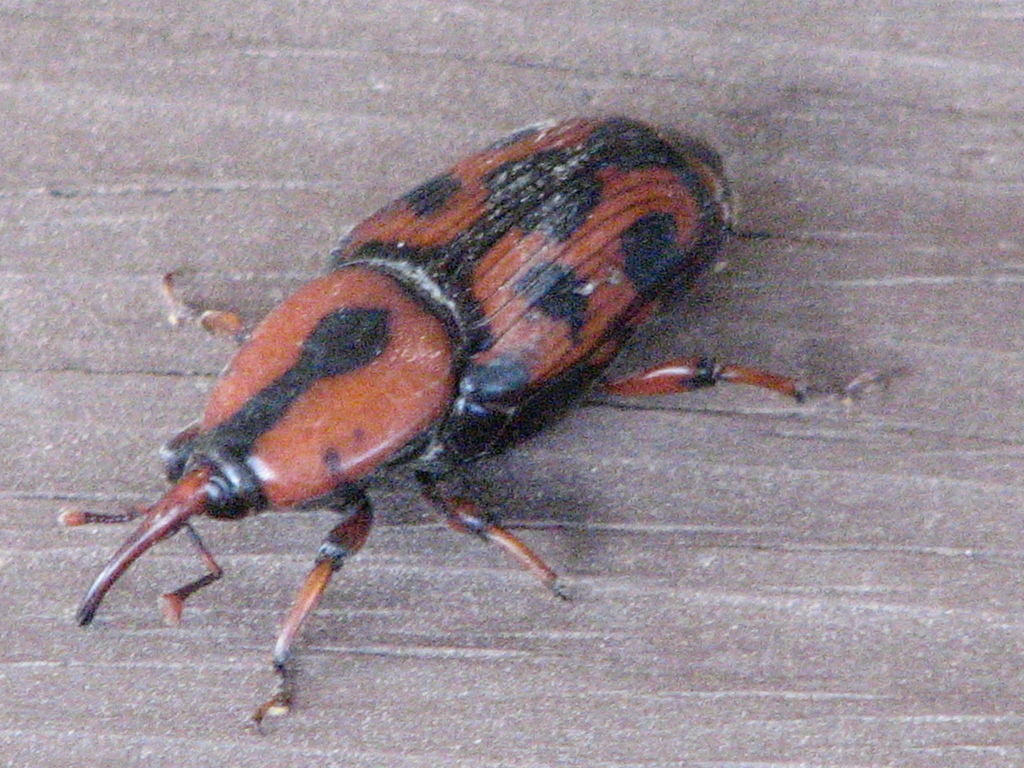
You will notice the crown of the palm leaning or drooping significantly. There may be small holes or tunnels visible in the trunk, often accompanied by oozing sap or sawdust like frass near the base or entry points.
Causes
- Fresh wounds or cuts on the palm trunk from pruning or mechanical damage.
- Stressed or newly transplanted palms that are struggling to establish.
- The presence of decaying palm material nearby which attracts adult weevils.
Could be confused with
- Nutrient Deficiency · Deficiencies usually cause yellowing or browning of leaves across the whole canopy, whereas weevil damage causes the entire crown to lean or collapse suddenly.
- Ganoderma Butt Rot · This fungal disease often shows a shelf like conk growing at the base of the trunk, while weevil damage is characterized by internal tunneling and insect activity.
Find out what's really wrong with your plant
Problems that look alike are easy to mix up. Pocket Botanist looks at a photo of your actual plant and tells you what's going on, how serious it is, and what to try first. Identification and a health check are free.



Scan with your phone's camera to get the app
Or go to pocketbotanist.app/get on your phone
Treatment
- Remove and destroy any heavily infested palms immediately to prevent the spread of adults to healthy trees.
- Apply a protective spray to the crown and upper trunk of nearby healthy palms to deter egg laying.
- Seal any fresh pruning wounds on healthy palms with a suitable tree wound dressing to prevent adult weevils from entering.
Without chemicals
- Avoid unnecessary pruning of palm fronds to keep the trunk intact.
- Sanitize pruning tools between every single cut to prevent transferring pathogens or attracting pests.
- Remove and dispose of dead or dying palm material from the garden promptly.
Chemical options
- Lambda-cyhalothrin, spray onto the crown and trunk of healthy palms to deter adults, follow the label.
- Deltamethrin, apply to the crown and trunk areas to protect against egg laying, follow the label.
Preventing it
- Keep palms healthy with proper water and nutrition so they are less attractive to pests.
- Minimize physical damage to the trunk from lawn equipment or climbing spikes.
- Avoid planting new palms in areas where infested ones were recently removed.
Season
The warm growing season when adult beetles are most active and searching for host plants.
Spread risk
Moderate
Severity
High
When to act
Act as soon as you notice the crown leaning or unusual sap oozing from the trunk. If the crown has already collapsed, the tree is likely beyond saving and should be removed by a tree surgeon.
Keep your plants healthy from here
Save your plants in Pocket Botanist and you get care reminders timed for each one, plus a care history that shows what worked. Identification and a health check are free.
Questions people ask
- Can a palm recover from a Palmetto Weevil infestation?
- Once the larvae have tunneled deep into the heart of the palm, the damage is usually irreversible and the tree will eventually die.
- How do I know if my palm is infested?
- Look for a leaning crown, drooping fronds, and the presence of sawdust like material or sap on the trunk.
Plants it affects
Answers plant by plant
This guide was generated with AI on and is general information, not horticultural advice. Read about how we build these guides.