 Pocket Botanist
Symptoms by part
Fruit
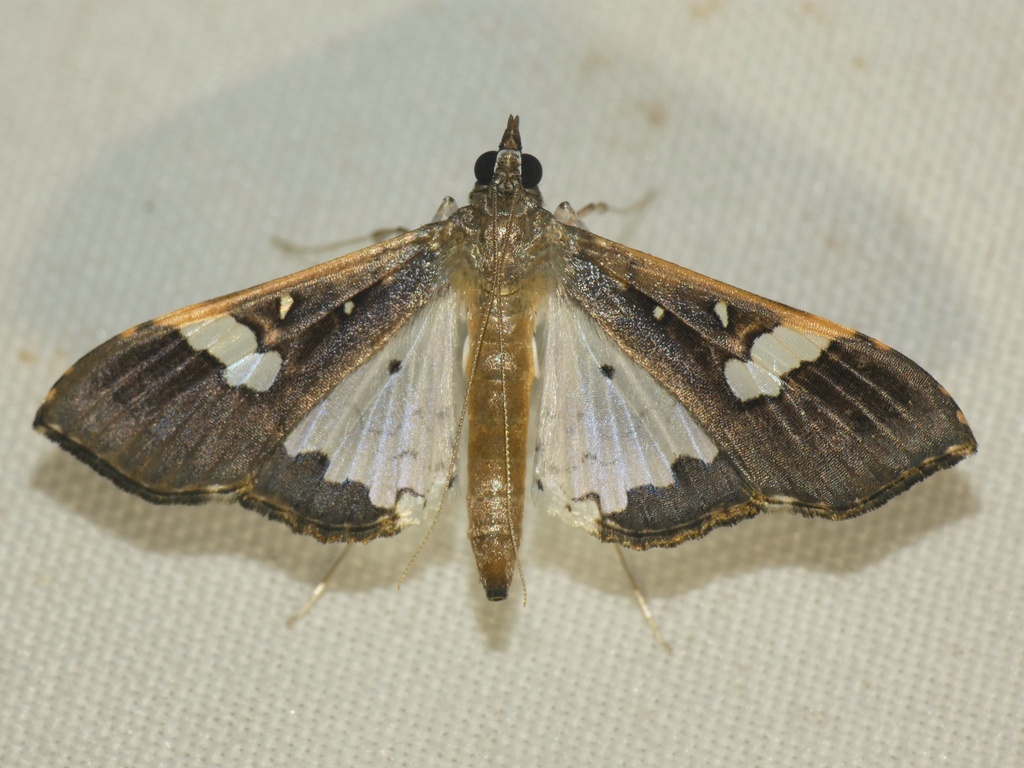
Small entry holes on the surface of the pods, often accompanied by dark frass or excrement near the opening. Inside, the seeds appear chewed, hollowed out, or completely consumed.
Causes
- Warm temperatures that encourage moth activity and rapid larval development.
- Presence of nearby host plants that allow the moth population to build up.
- Lack of natural predators like parasitic wasps or lady beetles in the garden environment.
Could be confused with
- Aphids · Aphids cluster on the outside of pods and suck sap, causing yellowing or distortion, whereas pod borers leave distinct entry holes and feed internally.
- Fungal Pod Rot · Fungal rot causes soft, mushy, or fuzzy patches on the pod surface without the presence of internal seed consumption or larval frass.
Find out what's really wrong with your plant
Problems that look alike are easy to mix up. Pocket Botanist looks at a photo of your actual plant and tells you what's going on, how serious it is, and what to try first. Identification and a health check are free.



Scan with your phone's camera to get the app
Or go to pocketbotanist.app/get on your phone
Treatment
- Handpick and destroy any pods showing visible entry holes to remove larvae before they mature.
- Apply Bacillus thuringiensis to the pods when young larvae are active, as they must ingest the bacteria to be affected, follow the label.
- Use spinosad on the pods during the evening to target larvae, follow the label.
Without chemicals
- Use fine mesh netting or row covers to prevent adult moths from laying eggs on the developing pods.
- Intercrop legumes with aromatic plants like marigolds or onions to help mask the scent of the host plants.
- Remove and dispose of all crop debris immediately after harvest to eliminate overwintering sites.
Chemical options
- Bacillus thuringiensis, apply to foliage and pods when larvae are small, follow the label.
- Spinosad, apply to pods during the evening, follow the label.
Preventing it
- Rotate crops so that legumes are not grown in the same soil for 2 to 3 years.
- Encourage beneficial insects by planting diverse flowers that attract parasitic wasps.
- Clear away weeds around the garden that may serve as alternative hosts for the moths.
Season
The warm growing season.
Spread risk
Moderate
Severity
Moderate
When to act
Act as soon as you notice the first pinprick holes on the pods to save the remainder of the crop. If more than half of the pods are infested, it is best to remove the plants entirely to prevent the next generation of moths from emerging.
Keep your plants healthy from here
Save your plants in Pocket Botanist and you get care reminders timed for each one, plus a care history that shows what worked. Identification and a health check are free.
Questions people ask
- Can I eat the seeds if I find a pod borer inside?
- It is best to discard the entire pod, as the larvae often introduce bacteria or fungi that can cause the remaining seeds to spoil.
- Why do I only see the damage after the pods are large?
- The larvae often enter the pods when they are very small and remain hidden inside as they grow, making the damage invisible until the pod is opened or the larva exits.
Plants it affects
This guide was generated with AI on and is general information, not horticultural advice. Read about how we build these guides.