 Pocket Botanist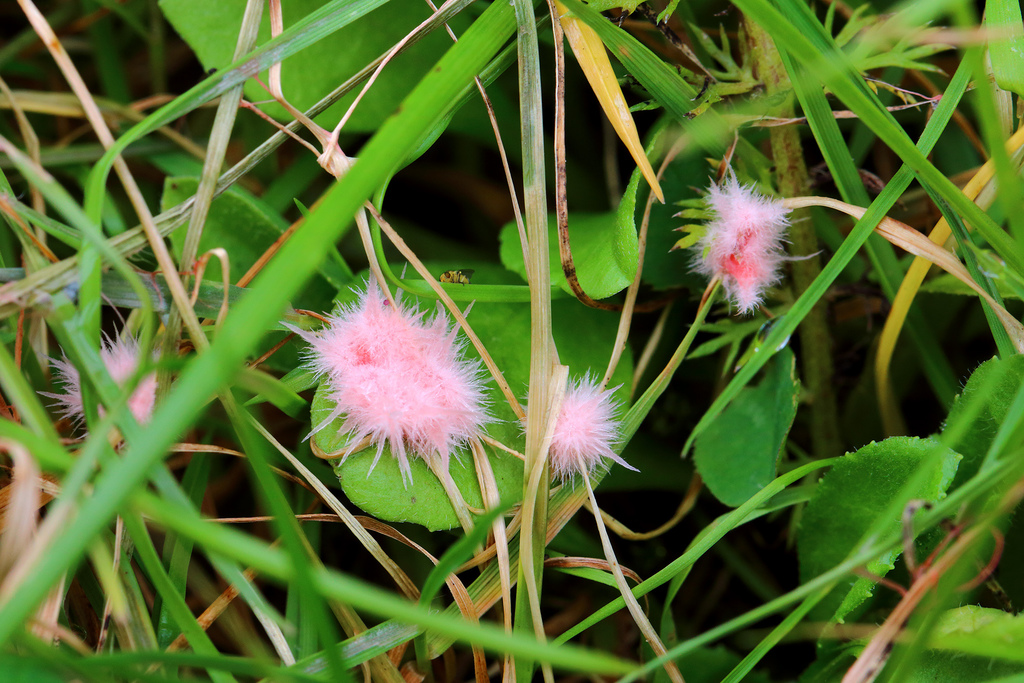
Symptoms by part
Leaves
You will see irregular patches of grass turning tan or light brown, often accompanied by thin, pink, needle-like fungal threads extending from the tips of the blades.
Causes
- Extended periods of high humidity or frequent light rainfall.
- Slow-growing grass caused by low nitrogen levels in the soil.
- Poor air circulation or excessive shade over the lawn area.
- Temperatures ranging from 15 to 25 degrees Celsius.
Could be confused with
- Dollar Spot · Dollar spot creates smaller, distinct circular spots about the size of a silver dollar, whereas Red Thread patches are larger and more irregular.
- Pink Snow Mold · Pink snow mold typically appears immediately after snow melts, while Red Thread thrives during the active growing season.
Treatment
- Apply a balanced, slow-release nitrogen fertilizer to the affected area to encourage healthy, vigorous growth.
- Increase the height of your mower blades to reduce stress on the grass blades.
- Collect and dispose of grass clippings in the bin rather than leaving them on the lawn to prevent the fungus from spreading.
Without chemicals
- Aerate the soil to improve drainage and reduce surface moisture.
- Prune back overhanging tree branches to increase sunlight and airflow to the lawn.
- Water the lawn deeply and infrequently in the early morning to allow the grass to dry out during the day.
Chemical options
- Tebuconazole, apply as a foliar spray to the affected patches, follow the label.
- Triticonazole, apply as a foliar spray to the affected patches, follow the label.
Preventing it
- Maintain a consistent fertilization schedule to keep nitrogen levels adequate.
- Regularly dethatch the lawn to prevent the buildup of organic matter that traps moisture.
- Ensure the lawn has proper drainage to avoid standing water.
Season
The warm growing season, particularly during periods of mild, wet weather.
Spread risk
Moderate
Severity
Low
When to act
Act as soon as you notice the pink threads or tan patches appearing. You do not need to remove the grass, as it will usually recover on its own once conditions become drier.
Think it's Red Thread?
This guide covers the general picture. Pocket Botanist looks at your actual plant from a photo and tells you what's really going on, how serious it is, and what to try first. Identification and a health check are free.


Questions people ask
- Will Red Thread kill my lawn?
- No, it is primarily a cosmetic issue that weakens the grass blades but rarely kills the roots.
- Should I stop watering my lawn if I see Red Thread?
- You should continue to water, but switch to deep, infrequent morning watering to ensure the grass blades stay dry for as long as possible during the day.
- Can I compost the clippings from an infected lawn?
- It is best to avoid composting clippings from an infected lawn, as the fungal spores may survive and spread when you use the compost later.
Plants it affects
This guide was generated with AI and is general information, not horticultural advice. Read about how we build these guides.