 Pocket Botanist
Plant guide
Yorkshire fog.
Holcus lanatus
Pronounced HOL-kus lah-NAY-tus
Also known as Common Velvetgrass, Fog Grass, Mesquite, Soft Grass, Soft-meadow Grass, Tufted Softgrass, Velvet Grass


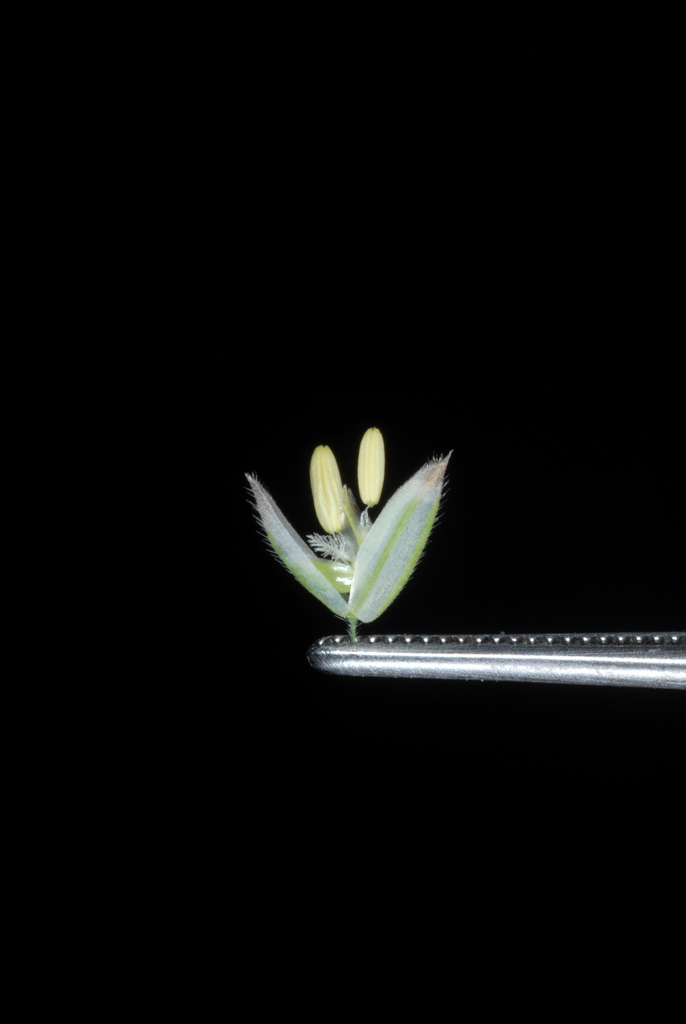
Yorkshire fog is a soft, perennial grass that often grows in clumps. It is quite adaptable and frequently found in meadows or along roadsides. You will recognize it by its velvety texture and pale, purplish flower heads.
At a glance
- Care level
- Easy
- Plant type
- Perennial grass
- Light
- Full sun to partial shade
- Indoor light
- Direct sun
- Water
- Every 3 to 7 days
- Mature size
- 30 to 60 cm
- Growth rate
- Fast
- Hardiness
- USDA 4 to 9
- Bloom time
- Late spring to mid summer
Care
Keep the soil consistently moist as this grass thrives in damp conditions. Watch for yellowing leaves which can indicate poor drainage or lack of nutrients. It spreads easily, so keep an eye on it if you are planting it in a garden bed.
- Watering
- Keep the soil evenly moist but not waterlogged.
- Feeding
- Apply a balanced fertilizer during the active growing season.
- Pruning
- Trim back dead foliage in late winter to encourage fresh spring growth.
- Repotting
- Repot when the root system becomes crowded and starts to lift out of the container.
- Soil
- Moist, fertile, well-draining soil
- Soil pH
- 5.0 to 7.5
- Temperature
- -20 to 35°C
- Humidity
- 40 to 80%
- Drought tolerance
- Low
- Lifespan
- Perennial, typically 3 to 5 years.
- Deer and rabbits
- Moderate
Signs it needs repotting
- Roots growing out of the drainage holes
- Water sitting on the surface for too long
- The plant becoming root-bound and stunted
Safety
- People
- It is not considered toxic to humans, though it is not a food source.
- Children
- The foliage is generally safe, but the sharp seed heads can be irritating if handled roughly.
- Contact allergens
- The fine hairs on the leaves can cause mild skin irritation in sensitive individuals.
- Airborne allergens
- The pollen is a significant allergen for many people during the late spring and summer months.
- Edibility
- This grass is not intended for human consumption and may cause digestive upset.
How to identify it
- Soft, velvety hairs on leaves
- Pale green or purplish flower spikes
- Forms dense, low growing tufts
- Ligules are membranous and hairy
- Height
- 0.2 to 1m
- Spread
- 0.3 to 0.6m
- Leaves
- gray-green, semi-evergreen
- Flowers
- pink, purple, white, 0.5 to 0.8cm
Common problems
- Rust — Fungal infection causing orange or brown pustules on the leaves.
Growing it
- Propagation
- seed, division
- When to plant
- spring, autumn
- Overwintering
- The foliage may die back slightly in cold weather, but it generally remains green in milder climates. No special protection is required.
- In containers
- It is rarely grown in containers as it prefers open ground, but it can be kept in a large pot if kept consistently moist.
Division
- 1. Dig up a mature clump in early spring.
- 2. Use a sharp spade to divide the root ball into smaller sections.
- 3. Replant the sections immediately in moist soil.
Seed
- 1. Collect seeds in late summer once they turn brown.
- 2. Sow seeds directly into prepared soil in autumn.
- 3. Keep the area consistently moist until germination.
Pair this grass with moisture-loving wildflowers to create a naturalistic meadow aesthetic.
Grows well with
- Meadow Buttercup — They naturally occur together in damp, grassy meadows.
- Common Sorrel — This plant thrives in similar acidic, moist soil conditions.
Similar species
- Creeping Soft Grass — It is very similar but spreads more aggressively via long, underground rhizomes.
Science
- Family
- Poaceae
- Genus
- Holcus
- Order
- Poales
- Class
- Liliopsida
- Native range
- Europe, North Africa, and Western Asia.
- Conservation
- It is a common, widespread species and is not of conservation concern.
It is a resilient grass that spreads via seeds and short rhizomes, allowing it to dominate in damp, acidic meadows.
- Value to wildlife
- larval host plant
- Pollinators
- butterflies
- Uses
- ornamental grass, erosion control, pasture forage
Through the year
Ecological indicators
- Salinity
- 2/9
- Soil reaction
- 4/9
- Light
- 7/9
- Temperature
- 5/9
- Moisture
- 6/9
- Nutrients
- 3/9
Taxonomy resolved against GBIF.
Questions people ask
- Is it a good lawn grass?
- It is generally not recommended for lawns as it grows in clumps and can look untidy.
- How do I control it?
- Regular mowing before it sets seed is the most effective way to prevent it from spreading.
Where the name comes from
The genus name Holcus comes from the Greek word for a type of grass, while the specific epithet lanatus refers to the woolly, hairy texture of the leaves.
Good to know
- It is often called Yorkshire fog because of the way the flower heads appear hazy in the morning light.
- The plant thrives in damp, nutrient-poor soils where other grasses struggle.
- It is a highly successful colonizer of disturbed ground.
Is your yorkshire fog looking unwell?
This page is a general guide. Pocket Botanist diagnoses problems from a photo of your actual plant, works out watering for your light and conditions, and reminds you when care is due.
This guide was generated with AI and checked against GBIF taxonomy. It is general information, not horticultural or veterinary advice. Read about how we build these guides.