 Pocket Botanist
Plant guide
Meadow buttercup.
Ranunculus acris
Pronounced ra-NUN-kyoo-lus A-kris
Also known as Meadow Buttercup



Scan with your phone's camera to get the app
Or go to pocketbotanist.app/get on your phone

The meadow buttercup is a charming perennial that brings a splash of yellow to fields and gardens. It thrives in moist, grassy areas and is quite hardy. You will love how it brightens up your landscape in late spring.
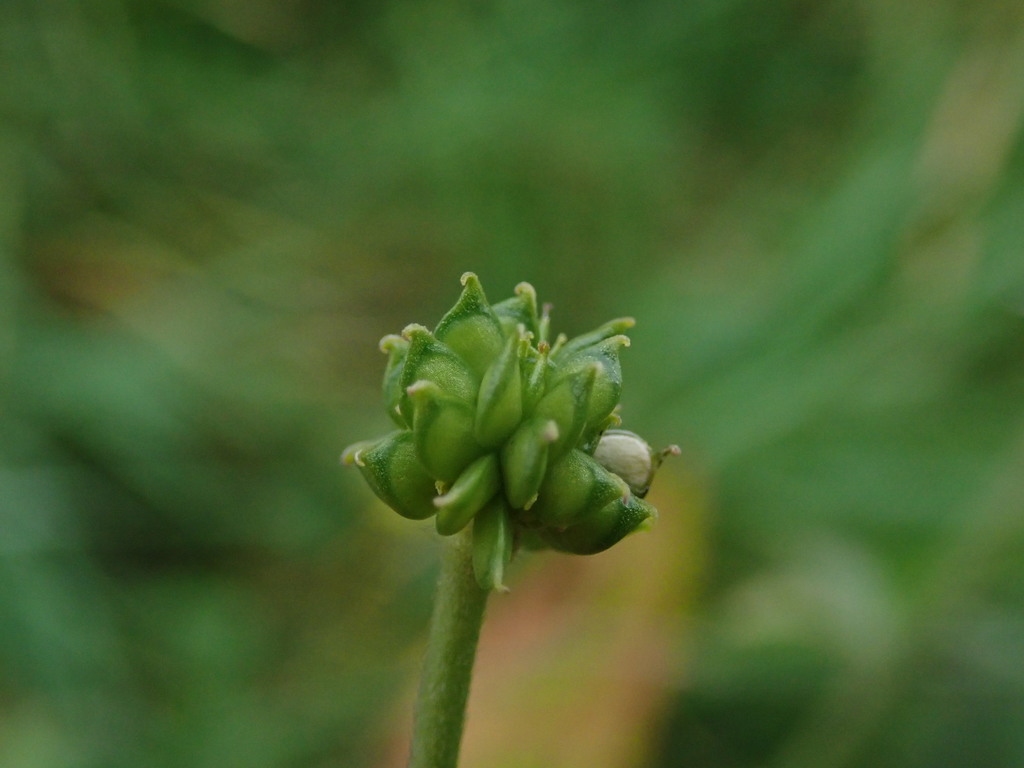
At a glance
- Care level
- Easy
- Plant type
- Perennial
- Light
- Full sun to partial shade
- Indoor light
- Direct sun
- Water
- Every 3 to 7 days
- Mature size
- 3 feet
- Growth rate
- Medium
- Hardiness
- USDA 3 to 8
- Bloom time
- Late spring to mid summer
Care
Keep the soil consistently moist to mimic its natural meadow habitat. Watch for wilting during dry spells, which signals a need for more water. Remove spent blooms to encourage a second flush of flowers.
- Watering
- Keep the soil evenly moist but never waterlogged.
- Feeding
- Apply a balanced liquid fertilizer during the active growing season.
- Pruning
- Trim back dead foliage and spent flowers to keep the plant tidy.
- Repotting
- Repot if the plant becomes root bound in its container.
- Soil
- Moist, well draining soil
- Soil pH
- 6.0 to 7.5
- Temperature
- -30 to 30°C
- Humidity
- 40 to 70%
- Drought tolerance
- Low
- Lifespan
- Perennial, typically 3 to 5 years.
- Deer and rabbits
- High
Signs it needs repotting
- Roots growing out of drainage holes.
- Plant becomes root bound.
Safety
- People
- All parts of the plant contain protoanemonin, which is highly irritating to the skin and digestive tract.
- Pets
- This plant is toxic to cats and dogs if ingested.
- Children
- Keep this plant away from children because the sap is caustic and the plant is poisonous if eaten.
- Contact allergens
- The sap is a known skin irritant that can cause redness and blistering.
- Airborne allergens
- Pollen may cause mild irritation in sensitive individuals during peak bloom.
- Edibility
- This plant is toxic if ingested and should never be consumed.
How to identify it
- Glossy yellow five petaled flowers
- Deeply divided palmate leaves
- Hairy stems and foliage
- Upright branching growth habit
- Height
- 0.3 to 0.9m
- Spread
- 0.2 to 0.4m
- Leaves
- green, deciduous
- Flowers
- yellow, 1.5 to 2.5cm
Problems to watch for
- AphidsCommon
- Powdery MildewCommon
- RustUncommon
- Slugs and SnailsUncommon
Check your meadow buttercup from a photo
Pocket Botanist looks at a photo of your plant and tells you what's wrong and what to try first.
Scan with your phone's camera to get the app
Or go to pocketbotanist.app/get on your phone
Growing it
- Propagation
- seed, division
- When to plant
- spring, autumn
- Overwintering
- The foliage dies back naturally in winter. No special protection is needed as it is quite cold hardy.
- In containers
- It is not typically grown in containers as it prefers the stability of open ground.
Seed
- 1. Collect seeds when they turn brown.
- 2. Sow in trays in autumn.
- 3. Keep moist until germination in spring.
Division
- 1. Dig up the clump in early spring.
- 2. Gently pull the root ball apart.
- 3. Replant sections immediately.
Plant in drifts with native grasses to mimic a natural meadow ecosystem.
Grows well with
- Meadow Foxtail · They share similar moisture requirements in meadow settings.
- Oxeye Daisy · They create a classic meadow aesthetic when planted together.
Similar species
- Creeping Buttercup · It has a similar appearance but spreads via runners rather than just seed.
Science
- Family
- Ranunculaceae
- Genus
- Ranunculus
- Order
- Ranunculales
- Class
- Magnoliopsida
- Native range
- Europe and temperate Asia.
- Conservation
- It is a common and widespread species not currently under threat.
It thrives in moist meadows and pastures where it can outcompete other grasses in nutrient rich soils.
- Value to wildlife
- nectar source
- Pollinators
- bees, butterflies, beetles
- Uses
- wildflower meadows, cottage gardens, naturalizing
Through the year
Ecological indicators
- Salinity
- 1/9
- Soil reaction
- 5/9
- Light
- 6/9
- Temperature
- 4/9
- Moisture
- 6/9
- Nutrients
- 6/9
Taxonomy resolved against GBIF.
Questions people ask
- Is it safe for pets?
- No, it is toxic to both cats and dogs if ingested.
- Does it spread easily?
- Yes, it can self seed quite aggressively in favorable conditions.
Where the name comes from
The name Ranunculus comes from the Latin for little frog, referring to the damp habitats many species prefer. Acris means sharp or pungent, referencing the acrid taste of the plant.
Good to know
- It is often called the meadow buttercup.
- The flowers are highly reflective, which helps attract pollinators.
- It was historically used in folk medicine, though this is dangerous due to its toxicity.
Also in
Keep your meadow buttercup growing
This page is a general guide. Save your plant in Pocket Botanist and you get care reminders timed for this plant, plus a care history that shows what worked.
Scan with your phone's camera to get the app
Or go to pocketbotanist.app/get on your phone
This guide was generated with AI on and checked against GBIF taxonomy. It is general information, not horticultural or veterinary advice. Read about how we build these guides.