 Pocket Botanist
Plant guide
Creeping soft grass.
Holcus mollis
Pronounced HOL-kus MOL-iss
Also known as Creeping Fog, Creeping Soft-Grass, Creeping velvetgrass, German velvet grass, German velvetgrass, creeping soft grass, creeping softgrass, creeping velvet grass



Scan with your phone's camera to get the app
Or go to pocketbotanist.app/get on your phone
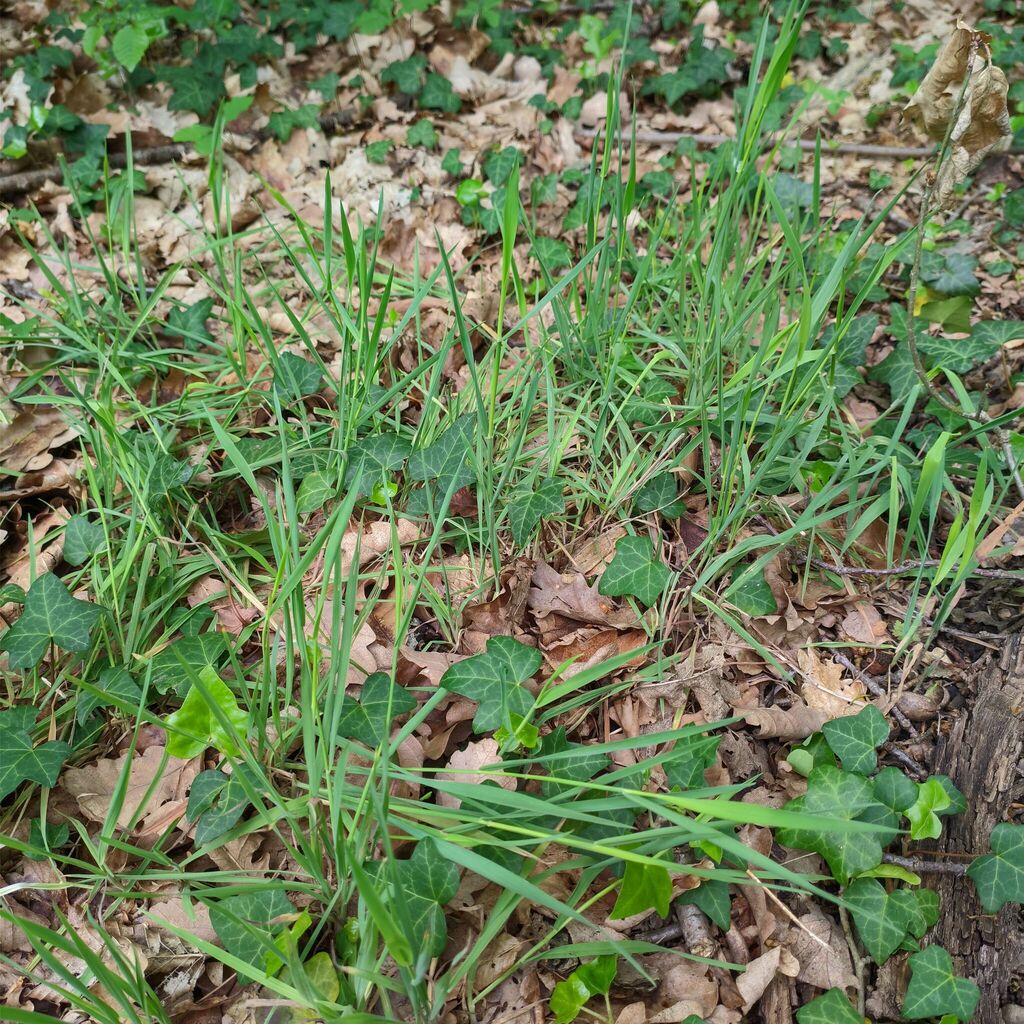
This hardy perennial grass is known for its spreading habit and soft, velvety foliage. It makes a lovely ground cover in woodland gardens or shaded borders. You'll find it's quite resilient once it gets settled in your garden.
At a glance
- Care level
- Easy
- Plant type
- Perennial grass
- Light
- Partial shade to full sun
- Indoor light
- Medium light
- Water
- Every 3 to 7 days
- Mature size
- 1 to 2 feet
- Growth rate
- Fast
- Hardiness
- USDA 4 to 9
- Bloom time
- Late spring to early summer
Care
Keep the soil consistently moist to mimic its natural woodland habitat. Watch for excessive spreading, as this grass can become invasive in smaller garden beds. Simply trim back any unwanted runners to keep it contained.
- Watering
- Keep the soil evenly moist but not waterlogged.
- Feeding
- Apply a balanced fertilizer once during the spring growing season.
- Pruning
- Cut back dead foliage in late winter or early spring to encourage fresh growth.
- Repotting
- Divide the clumps every couple of years to prevent overcrowding.
- Soil
- Moist, well-draining soil
- Soil pH
- Acidic to neutral
- Temperature
- -20 to 30°C
- Humidity
- 40 to 70%
- Drought tolerance
- Low
- Lifespan
- Perennial, typically 5 to 10 years.
- Deer and rabbits
- Moderate
Signs it needs repotting
- Roots growing out of the drainage holes.
- Water running straight through the pot without soaking in.
Safety
- People
- There are no significant toxic properties reported for humans.
- Children
- The sharp edges of the blades can cause minor paper cuts if handled roughly by children.
- Contact allergens
- The leaf blades have fine hairs that can cause mild skin irritation in sensitive individuals.
- Airborne allergens
- The pollen can trigger seasonal allergies in susceptible people during the flowering period.
- Edibility
- This grass is not intended for human consumption and may cause digestive upset.
How to identify it
- Soft, hairy leaf blades
- Creeping underground rhizomes
- Pale green flower panicles
- Loose, mat-forming growth habit
- Height
- 0.2 to 0.4m
- Spread
- 0.3 to 1m
- Leaves
- green, white, deciduous
- Flowers
- white, green, 0.5 to 1cm
Problems to watch for
- Rust · Fungal infection causing orange pustules on the leaves during humid weather.
Check your creeping soft grass from a photo
Pocket Botanist looks at a photo of your plant and tells you what's wrong and what to try first.
Scan with your phone's camera to get the app
Or go to pocketbotanist.app/get on your phone
Growing it
- Propagation
- division, seed
- When to plant
- spring, autumn
- Overwintering
- The foliage will die back in winter. Simply trim the dead blades to the ground in late winter to make room for new spring growth.
- In containers
- It grows well in containers, but use a large pot to accommodate its spreading nature.
Division
- 1. Dig up a clump in spring or autumn.
- 2. Gently tease the rhizomes apart into smaller sections.
- 3. Replant the divisions immediately in moist soil.
Plant this in a contained area or with deep edging to prevent it from wandering into your other beds.
Grows well with
Similar species
- Yorkshire Fog · It is a close relative but lacks the creeping rhizomatous habit.
Science
- Family
- Poaceae
- Genus
- Holcus
- Order
- Poales
- Class
- Liliopsida
- Native range
- Europe and parts of Western Asia.
- Conservation
- This plant is common and not of conservation concern.
It thrives in woodland edges and damp meadows where it forms dense mats through rhizomatous growth.
- Value to wildlife
- larval host plant
- Pollinators
- bees, butterflies
- Uses
- groundcover, container plant, shade garden accent
Through the year
Ecological indicators
- Salinity
- 1/9
- Soil reaction
- 5/9
- Light
- 4/9
- Temperature
- 5/9
- Moisture
- 6/9
- Nutrients
- 5/9
Taxonomy resolved against GBIF.
Questions people ask
- Is it invasive?
- It can be quite vigorous and spread rapidly in moist, fertile soil.
- Does it need full sun?
- It actually prefers partial shade and will struggle in intense, direct sun.
Where the name comes from
Holcus is an ancient Greek name for a type of grass, while mollis describes the soft, hairy texture of the foliage.
Good to know
- It spreads aggressively via underground rhizomes.
- The specific epithet mollis means soft, referring to the velvety texture of the leaves.
- It is often called creeping soft grass.
Keep your creeping soft grass growing
This page is a general guide. Save your plant in Pocket Botanist and you get care reminders timed for this plant, plus a care history that shows what worked.
Scan with your phone's camera to get the app
Or go to pocketbotanist.app/get on your phone
This guide was generated with AI on and checked against GBIF taxonomy. It is general information, not horticultural or veterinary advice. Read about how we build these guides.