 Pocket Botanist
Symptoms by part
Fruit
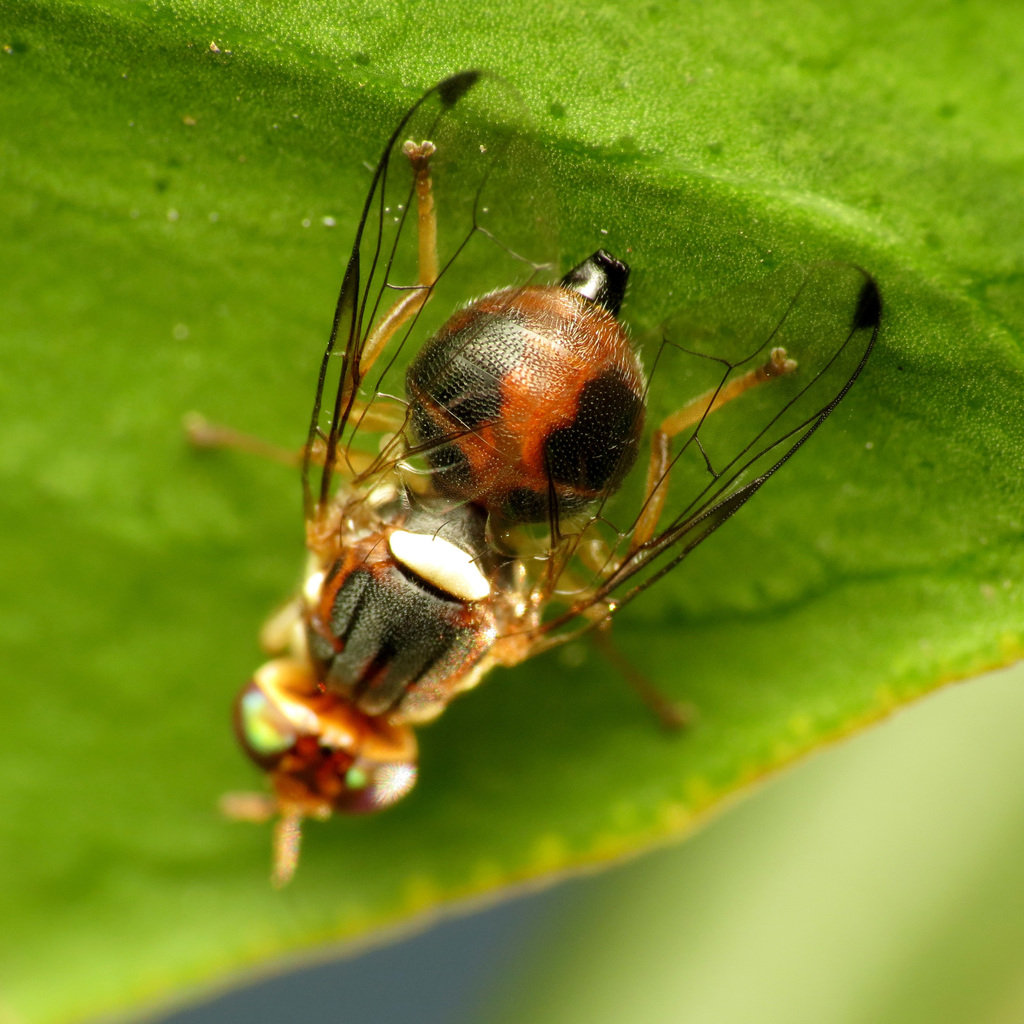
You will see tiny puncture marks or sting sites on the skin of the olive, followed by brown tunnels or decay as the larvae burrow inside, eventually leading to premature fruit drop.
Causes
- Warm, humid weather conditions during the fruit development stage.
- Presence of unharvested or fallen fruit from previous seasons which provides a breeding ground.
- Lack of natural predators in the immediate environment.
Could be confused with
- Olive Peacock Spot · This is a fungal disease that causes dark, circular spots on leaves rather than damage to the fruit itself.
- Olive Knot · This bacterial infection creates galls or woody growths on stems and branches, which is entirely different from fruit damage.
Find out what's really wrong with your plant
Problems that look alike are easy to mix up. Pocket Botanist looks at a photo of your actual plant and tells you what's going on, how serious it is, and what to try first. Identification and a health check are free.



Scan with your phone's camera to get the app
Or go to pocketbotanist.app/get on your phone
Treatment
- Harvest all olives as early as possible to deny the flies a place to lay eggs.
- Install specialized traps designed to capture adult flies before they can sting the fruit.
- Apply spinosad to the tree canopy when fruit reaches the size where it becomes attractive to the flies, follow the label.
Without chemicals
- Pick up all fallen fruit from the ground immediately to prevent larvae from pupating in the soil.
- Use fine mesh netting to cover small trees during the fruiting period to physically block the flies.
- Prune trees to improve airflow and reduce the humidity levels that the flies prefer.
Chemical options
- spinosad, apply as a bait spray to the foliage, follow the label.
Preventing it
- Remove all fruit from the tree at the end of the season to prevent the next generation from overwintering.
- Keep the area beneath the tree clear of debris and fallen fruit.
- Encourage beneficial insects that prey on fly larvae.
Season
The warm growing season, specifically when fruit begins to ripen.
Spread risk
High
Severity
High
When to act
Act as soon as the olives reach a size that attracts the flies. If the infestation is severe and the tree is too large to manage, consult a professional tree surgeon for advice on canopy management.
Keep your plants healthy from here
Save your plants in Pocket Botanist and you get care reminders timed for each one, plus a care history that shows what worked. Identification and a health check are free.
Questions people ask
- Can I still eat olives that have been stung?
- If the damage is very minor and the fruit is not rotting, you might be able to use them for oil, but heavily infested fruit will have a poor flavor and should be discarded.
- Do these flies affect other fruit trees?
- No, the olive fruit fly is highly specialized and only targets olive trees.
Plants it affects
Answers plant by plant
This guide was generated with AI on and is general information, not horticultural advice. Read about how we build these guides.