 Pocket Botanist
Symptoms by part
Stems
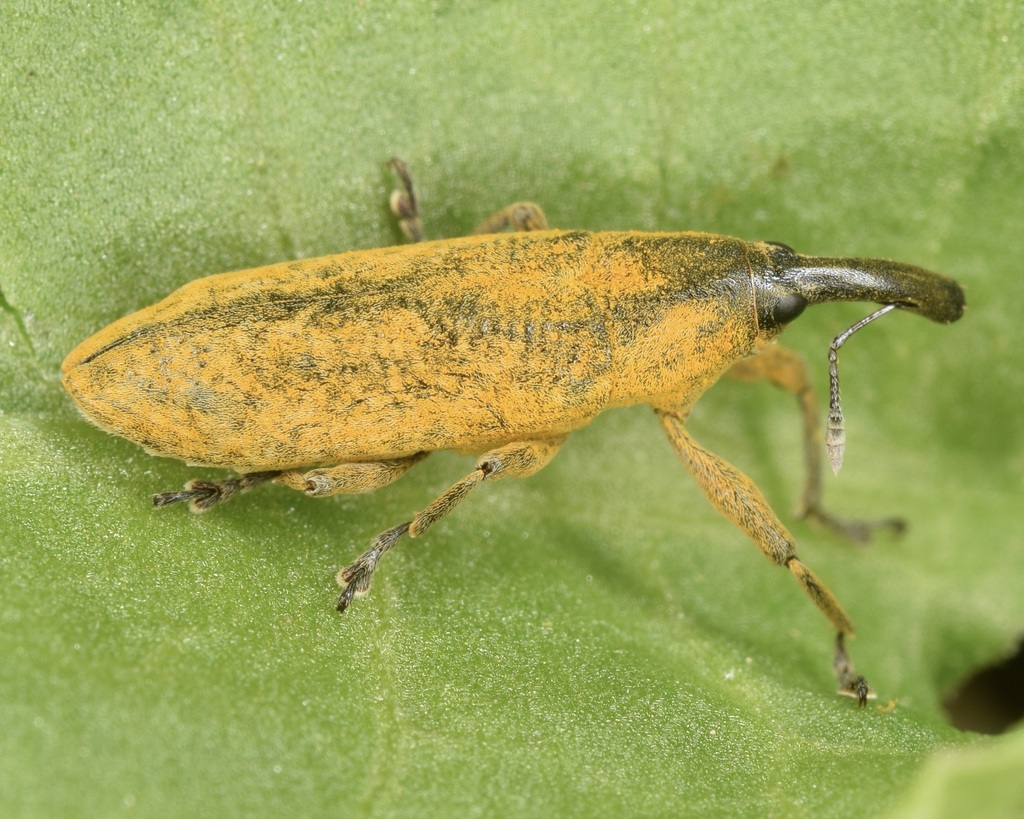
You will see small, circular punctures or feeding holes on the surface of the stalks. These wounds often ooze sap, and you may notice brown, sunken areas where the beetle has laid its eggs.
Causes
- The presence of wild dock or thistle plants nearby, which serve as alternate hosts for the beetle.
- Warm weather conditions that align with the emergence of adult beetles from overwintering sites.
Could be confused with
- Slug damage · Slugs leave behind irregular, ragged holes or slimy trails, whereas curculio damage consists of precise, circular punctures.
- Mechanical injury · Mechanical damage from wind or tools usually results in long, straight splits or tears rather than the distinct, round holes made by a beetle snout.
Find out what's really wrong with your plant
Problems that look alike are easy to mix up. Pocket Botanist looks at a photo of your actual plant and tells you what's going on, how serious it is, and what to try first. Identification and a health check are free.



Scan with your phone's camera to get the app
Or go to pocketbotanist.app/get on your phone
Treatment
- Handpick the large, distinct beetles off the stalks during the early morning when they are less active.
- Drop the collected beetles into a container of soapy water to kill them.
- Cut away and destroy any stalks that show signs of egg-laying, which appear as small, dark, sunken spots, to prevent larvae from developing inside.
Without chemicals
- Remove all wild dock and thistle plants from the area surrounding your garden to eliminate alternative food sources.
- Place a physical barrier like a floating row cover over your plants early in the season to prevent beetles from reaching the stalks.
Preventing it
- Keep the area around your rhubarb patch free of weeds, especially wild dock and thistle.
- Remove wild dock near your rhubarb if possible to break the cycle of the beetle, since its larvae develop mainly in weeds like dock rather than in rhubarb.
- Clean up and remove all plant debris from the garden at the end of the season to deny the beetles a place to hide.
Season
The warm growing season.
Spread risk
Low
Severity
Moderate
When to act
Act as soon as you spot the beetles or the characteristic puncture marks on your stalks. If the infestation is widespread and you are losing most of your harvest, it is best to remove the affected plants entirely.
Keep your plants healthy from here
Save your plants in Pocket Botanist and you get care reminders timed for each one, plus a care history that shows what worked. Identification and a health check are free.
Questions people ask
- Is rhubarb damaged by curculio safe to eat?
- Yes, you can safely eat the parts of the stalk that are not damaged, provided you trim away the areas with puncture marks or rot.
- Do I need to spray chemicals to stop these beetles?
- No, because the beetles are large and easy to spot, handpicking is usually the most effective and safest way to manage them.
This guide was generated with AI on and is general information, not horticultural advice. Read about how we build these guides.