 Pocket Botanist
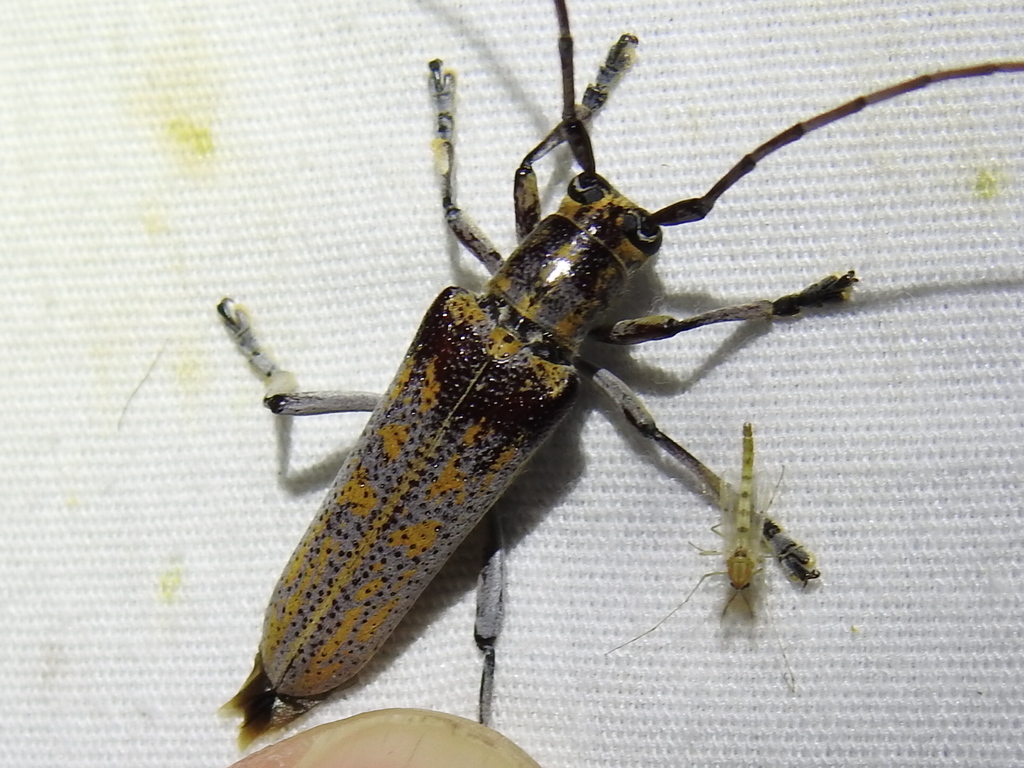
Symptoms by part
Stems
You will see small holes in the bark, piles of sawdust like frass at the base of the tree, and sap oozing from entry points.
Causes
- Trees that are already stressed by drought or poor soil conditions are more attractive to adult beetles.
- Existing wounds or damaged bark provide easy entry points for egg laying.
Could be confused with
- Other wood boring beetles · Other borers often leave different patterns of exit holes or target different tree species.
- Sapsucker damage · Sapsucker holes are usually arranged in neat, horizontal rows, whereas borer holes are scattered randomly.
Find out what's really wrong with your plant
Problems that look alike are easy to mix up. Pocket Botanist looks at a photo of your actual plant and tells you what's going on, how serious it is, and what to try first. Identification and a health check are free.



Scan with your phone's camera to get the app
Or go to pocketbotanist.app/get on your phone
Treatment
- 1. Prune away and destroy any heavily infested branches to reduce the population.
- 2. Use a stiff wire to probe into the visible entry holes to physically kill the larvae inside.
- 3. Apply a targeted spray of deltamethrin to the trunk during the egg laying period to prevent new infestations, follow the label.
Without chemicals
- Keep the tree well watered during dry spells to help it resist attack.
- Avoid wounding the trunk with lawn equipment or tools.
- Remove and destroy severely infested wood to prevent beetles from emerging and spreading.
Chemical options
- deltamethrin, apply to the bark surface during the adult activity period, follow the label.
Preventing it
- Maintain tree vigor through proper watering and mulching.
- Protect the trunk from mechanical damage caused by mowers or string trimmers.
- Inspect the bark annually for early signs of sawdust or sap flow.
Season
The warm growing season is when adult beetles are active and laying eggs.
Spread risk
Moderate
Severity
High
When to act
Act as soon as you notice frass or sap oozing from the trunk. If the tree shows signs of significant dieback or structural instability, consult a tree surgeon to assess if the tree needs to be removed for safety.
Keep your plants healthy from here
Save your plants in Pocket Botanist and you get care reminders timed for each one, plus a care history that shows what worked. Identification and a health check are free.
Questions people ask
- Will my tree recover from a Poplar Borer infestation?
- If the infestation is caught early and the tree is otherwise healthy, it can survive, but severe damage to the main trunk often leads to long term decline.
- Do I need to spray the whole tree?
- No, focus your efforts on the trunk and larger branches where the beetles are most likely to lay their eggs.
Plants it affects
Answers plant by plant
This guide was generated with AI on and is general information, not horticultural advice. Read about how we build these guides.