 Pocket Botanist
Plant guide
Cottonwood.
Populus
Pronounced POP-yoo-lus
Also known as Aspen, Cottonwood, Poplar, Cottonwood, Poplar, Poplars, aspen, cottonwoods


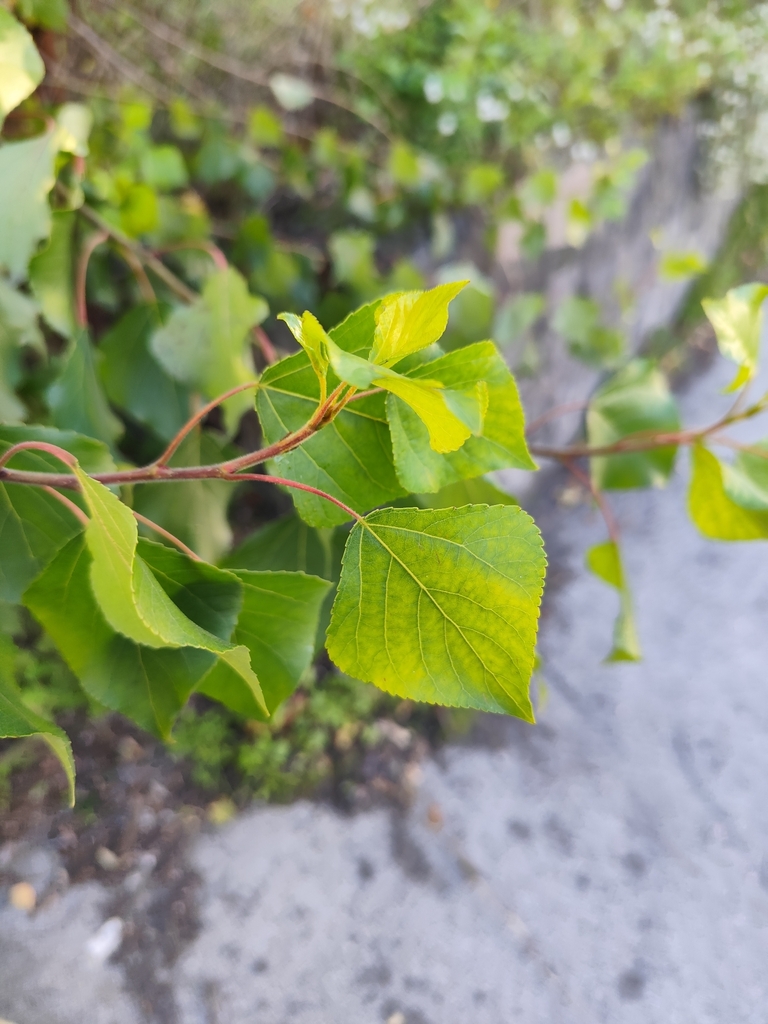
Poplars are fast growing, deciduous trees known for their rapid height gain and often trembling leaves. They thrive in moist soils and are frequently found near water sources in nature. These trees provide excellent shade but require plenty of space for their extensive root systems.
At a glance
- Care level
- Easy
- Plant type
- Deciduous tree
- Light
- Full sun
- Indoor light
- direct
- Water
- Every 7 to 14 days
- Mature size
- 15 to 30 meters
- Growth rate
- fast
- Hardiness
- USDA 3 to 9
- Bloom time
- Early spring
Care
Plant these trees in a location with ample space to accommodate their wide root spread. Keep the soil consistently moist, especially during the first few years of establishment. Watch for signs of leaf spot or rust, which can occur in humid conditions.
- Watering
- Keep the soil consistently moist but not waterlogged.
- Feeding
- Apply a balanced fertilizer in early spring before new growth begins.
- Pruning
- Prune during the dormant winter season to remove dead or crossing branches.
- Repotting
- Repotting is generally only applicable for young saplings in containers.
- Soil
- Moist, well draining, loamy soil
- Soil pH
- 6.0 to 7.5
- Temperature
- -30 to 35°C
- Humidity
- 40 to 70%
- Drought tolerance
- low
- Lifespan
- Perennial, typically 30 to 50 years.
- Deer and rabbits
- low
Signs it needs repotting
- Roots growing out of the drainage holes
- Water running straight through the pot without soaking inbibbing
Safety
- People
- The plant is generally non-toxic, though the bark contains salicin which is related to aspirin and should be avoided by those with specific sensitivities.
- Children
- The catkins and falling twigs can be a choking hazard for small children if ingested.
- Contact allergens
- The sticky resin found on the buds of some species can cause mild contact dermatitis in sensitive individuals.
- Airborne allergens
- The windborne pollen produced by catkins in early spring is a significant allergen for many people.
- Edibility
- The buds and bark are not considered food and may contain bitter salicin compounds that can cause stomach upset.
How to identify it
- Triangular or heart shaped leaves
- Leaves often tremble in light breezes
- Bark becomes deeply furrowed with age
- Catkins appear before leaves in spring
- Height
- 15 to 30m
- Spread
- 6 to 12m
- Leaves
- green, yellow, deciduous
- Flowers
- green, red, 5 to 15cm
Common problems
- Canker — Fungal infections that cause sunken, dead areas on the bark and branches.
- Leaf rust — Small orange or yellow spots appear on leaves during humid weather.
- Poplar borer — Larvae tunnel into the trunk and weaken the structural integrity of the wood.
Growing it
- Propagation
- cuttings, seed
- When to plant
- spring, autumn
- Overwintering
- These trees are fully hardy and require no special protection during the winter months. Simply ensure they are well watered before the ground freezes.
- In containers
- They are generally not suitable for containers due to their massive size and extensive root systems.
Hardwood Cuttings
- 1. Take a cutting from a dormant branch in late winter.
- 2. Place the cutting directly into moist, well draining soil.
- 3. Keep the soil consistently damp until roots establish in spring.
Plant these trees away from structures to ensure their aggressive roots do not interfere with your home or garden beds.
Grows well with
- Willow — They share similar moisture requirements and thrive in the same riparian environments.
- Red Osier Dogwood — It provides a colorful understory layer that enjoys the same damp soil conditions.
Similar species
- Aspen — It is a close relative with similar leaf fluttering behavior and ecological needs.
- Cottonwood — It shares the same genus and produces similar windborne seeds that look like cotton.
Science
- Family
- Salicaceae
- Genus
- Populus
- Order
- Malpighiales
- Class
- Magnoliopsida
- Native range
- Widespread across the Northern Hemisphere in temperate and boreal regions.
- Conservation
- Most common species are not threatened, though certain rare regional varieties are protected in their native habitats.
Poplars thrive in moist, disturbed soils where they act as pioneer species to stabilize riverbanks and forest edges.
- Value to wildlife
- larval host plant, nesting material, winter food source
- Pollinators
- bees, beetles
- Uses
- shade tree, windbreak, erosion control, timber production
Through the year
Ecological indicators
- Salinity
- 2/9
- Soil reaction
- 6/9
- Light
- 8/9
- Temperature
- 4/9
- Moisture
- 7/9
- Nutrients
- 6/9
Taxonomy resolved against GBIF.
Questions people ask
- Are poplars good for small gardens?
- No, their massive, thirsty root systems can damage foundations and pipes.
- How fast do they grow?
- They are some of the fastest growing trees, often reaching mature height in 15 to 20 years.
Where the name comes from
The name Populus is the ancient Latin name for the tree, which was often planted in public meeting places. The common name poplar comes from the Latin populus, referring to the people.
Good to know
- Poplar wood is very soft and is often used to make matches and crates.
- The leaves of many species are designed to flutter in the slightest breeze.
- Poplars have an extensive root system that seeks out water sources aggressively.
- They are among the first trees to colonize disturbed land after a fire or flood.
Is your cottonwood looking unwell?
This page is a general guide. Pocket Botanist diagnoses problems from a photo of your actual plant, works out watering for your light and conditions, and reminds you when care is due.
This guide was generated with AI and checked against GBIF taxonomy. It is general information, not horticultural or veterinary advice. Read about how we build these guides.