 Pocket Botanist
Symptoms by part
Fruit
You will notice the fruit stems, or peduncles, showing small entry holes or wilting. The fruit itself may turn yellow or brown and drop from the tree long before it is ripe.
Causes
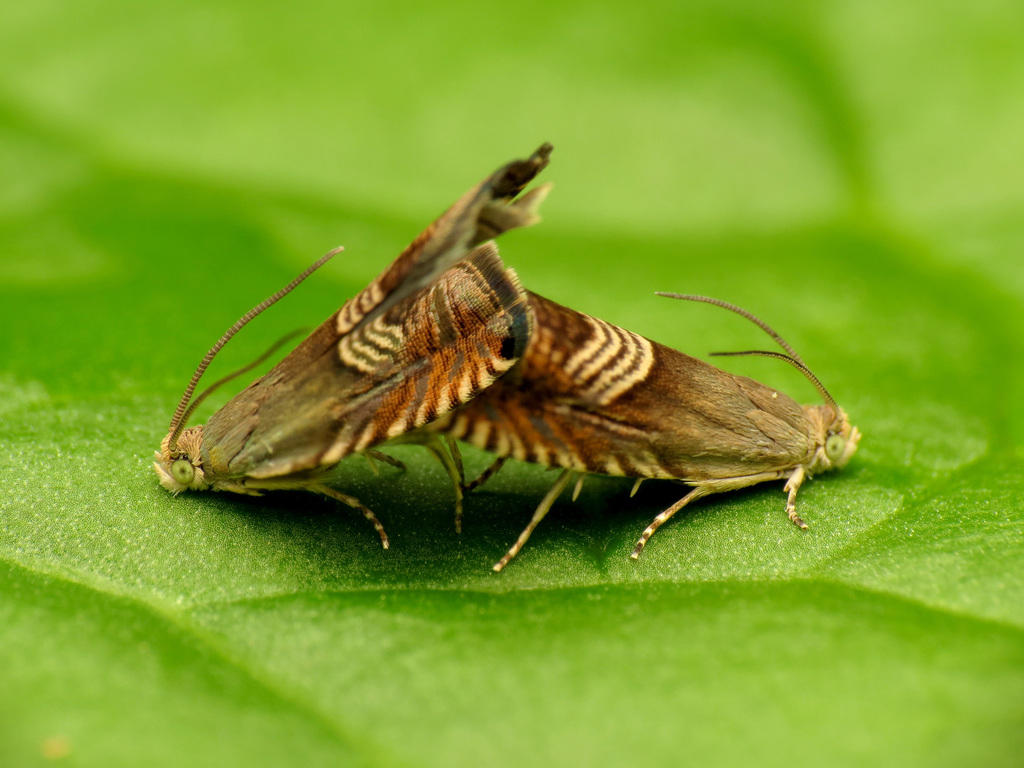
- The presence of adult moths during the flowering and early fruit development stages.
- Lack of natural predators in the immediate garden environment to control moth populations.
Could be confused with
- Natural fruit drop · Natural drop usually happens when the tree sheds excess fruit it cannot support, whereas borer damage shows clear signs of tunneling or entry holes in the stem.
- Fungal fruit rot · Fungal issues typically present with fuzzy growth or dark lesions on the fruit surface, while borer damage is focused on the structural integrity of the stem.
Find out what's really wrong with your plant
Problems that look alike are easy to mix up. Pocket Botanist looks at a photo of your actual plant and tells you what's going on, how serious it is, and what to try first. Identification and a health check are free.



Scan with your phone's camera to get the app
Or go to pocketbotanist.app/get on your phone
Treatment
- Prune away and destroy any fruit stems that show signs of wilting or entry holes to remove the larvae before they mature.
- Collect and dispose of all fallen fruit from beneath the tree to prevent larvae from completing their life cycle in the soil.
- Apply spinosad to the peduncles during the early fruit set stage to target emerging larvae, follow the label.
Without chemicals
- Hand pick and remove infested fruit stems as soon as you spot them.
- Clean up all debris under the tree canopy to disrupt the life cycle of the pest.
Chemical options
- spinosad, apply to the fruit stems when young larvae are active, follow the label.
Preventing it
- Encourage beneficial insects like parasitic wasps that prey on moth larvae.
- Maintain a clean orchard floor by removing fallen fruit promptly throughout the season.
- Use fine netting over small branches if you have a recurring issue with local moth populations.
Season
The warm growing season, specifically when fruit is in the early stages of development.
Spread risk
Low
Severity
Moderate
When to act
Act as soon as you see fruit dropping prematurely or notice holes in the stems. If the infestation is widespread and you are unable to manage it, you may need to accept a smaller harvest for the season.
Keep your plants healthy from here
Save your plants in Pocket Botanist and you get care reminders timed for each one, plus a care history that shows what worked. Identification and a health check are free.
Questions people ask
- Will the borer kill my pawpaw tree?
- No, the borer specifically targets the fruit stems and does not harm the main trunk or branches of the tree.
- Can I eat the fruit if the borer has been inside?
- It is best to discard any fruit that has been tunneled into, as the damage often introduces rot and makes the fruit unappealing.
Plants it affects
Answers plant by plant
This guide was generated with AI on and is general information, not horticultural advice. Read about how we build these guides.