 Pocket Botanist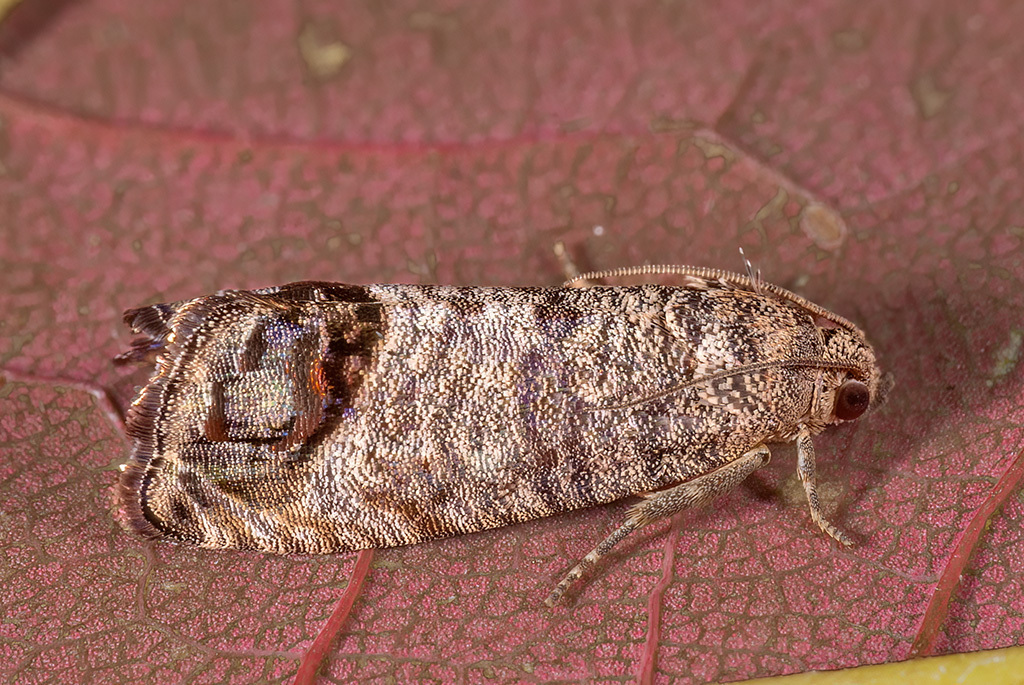
Symptoms by part
Fruit
You will see small entry holes surrounded by brown frass, which looks like sawdust, on the surface of the fruit. Inside, the flesh will be tunneled and decayed, often leading to the fruit ripening and falling off the tree much earlier than expected.
Causes
- The presence of abandoned or poorly managed fruit trees nearby that harbor overwintering larvae.
- Warm evening temperatures during the flowering and fruit set stages that encourage adult moths to lay eggs.
- A lack of natural predators in the garden to keep the moth population in check.
Could be confused with
- Oriental Fruit Moth · This pest typically attacks the tips of new shoots causing them to wilt, whereas the codling moth focuses almost exclusively on the fruit.
- Apple Maggot · Apple maggot damage creates winding, brown trails throughout the flesh without the large, frass filled entry holes characteristic of the codling moth.
Treatment
- 1. Remove and destroy all fallen fruit from the ground beneath the tree immediately to prevent larvae from escaping into the soil.
- 2. Wrap corrugated cardboard bands around the trunk of the tree to trap larvae seeking a place to pupate, then remove and burn these bands every 2 weeks.
- 3. Apply spinosad to the fruit and foliage according to the timing of moth activity, follow the label.
Without chemicals
- Thin fruit clusters to single fruits so they do not touch, as larvae often enter where two fruits meet.
- Bag individual fruits with small mesh or paper bags shortly after fruit set to create a physical barrier against egg laying.
- Encourage birds and beneficial insects by providing diverse plantings nearby.
Chemical options
- Spinosad, apply as a spray to the fruit surface during the egg hatching period, follow the label.
Preventing it
- Clean up all dropped fruit and debris under the tree throughout the season.
- Scrape away loose bark on the trunk in late winter to remove overwintering sites for larvae.
- Use pheromone traps to track moth activity so you know exactly when to apply protective measures.
Season
The warm growing season, starting shortly after the petals fall from the blossoms and continuing until harvest.
Spread risk
Moderate
Severity
Moderate
When to act
Act as soon as you see the first signs of fruit drop or entry holes. If the tree is too large to manage safely, consider hiring a professional tree surgeon to assist with canopy access.
Think it's Codling Moth?
This guide covers the general picture. Pocket Botanist looks at your actual plant from a photo and tells you what's really going on, how serious it is, and what to try first. Identification and a health check are free.


Questions people ask
- Can I still eat fruit that has been attacked by a codling moth?
- Yes, you can simply cut away the damaged portions and the tunnelled areas, then use the remaining healthy fruit for cooking or baking.
- Why do my pears fall off the tree before they are ripe?
- This is a common sign of codling moth infestation, as the larvae tunneling inside the fruit trigger the tree to drop the damaged fruit prematurely.
Plants it affects
This guide was generated with AI and is general information, not horticultural advice. Read about how we build these guides.