 Pocket Botanist
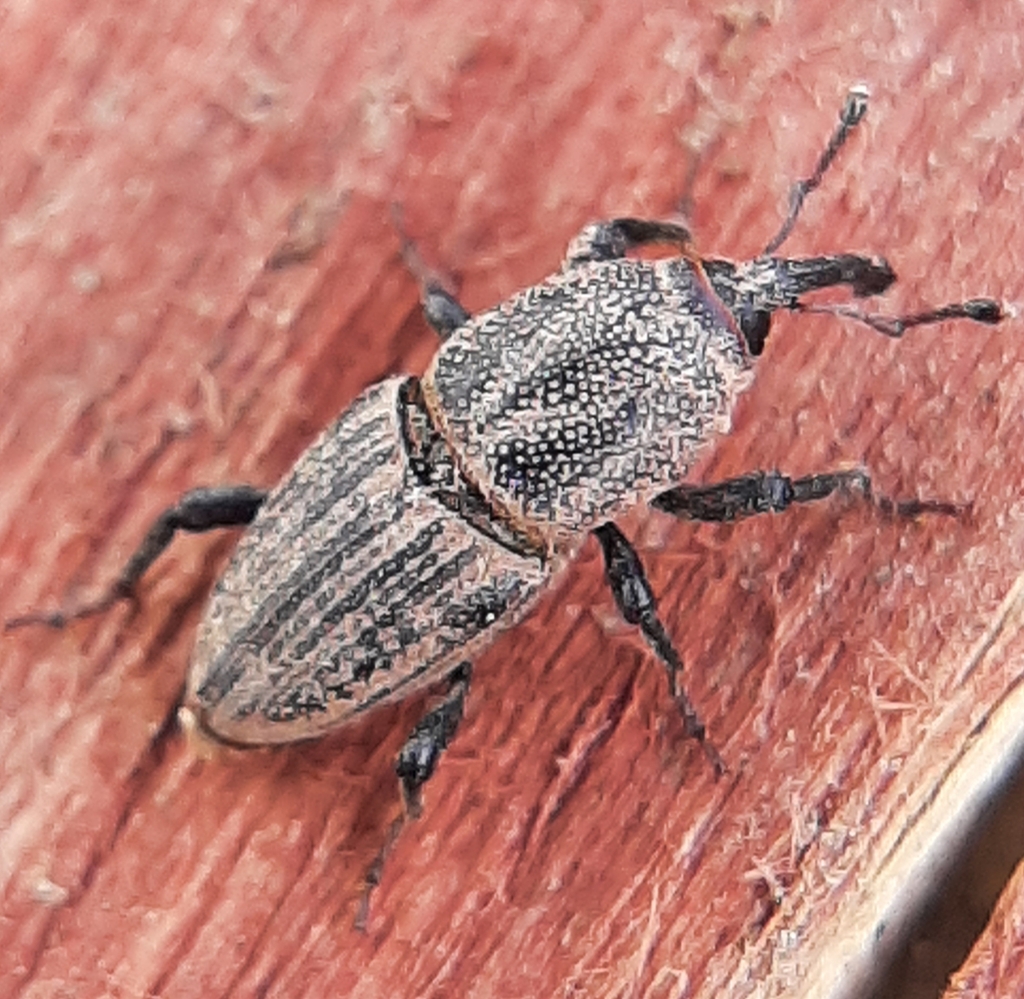
Symptoms by part
Stems
You will see small entry holes near the base of the stem, often accompanied by sawdust like frass, and the stems may become hollowed out or easily pull away from the crown.
Roots
The larvae feed on the crown and upper root zone, causing the roots to become detached from the base of the plant, which makes the plant loose in the soil.
Causes
- Presence of adult weevils laying eggs in the lower stems.
- High populations of larvae feeding within the crown area.
- Dry soil conditions that stress the plant and make it more susceptible to damage.
Could be confused with
- White Grubs · White grubs feed on roots deeper in the soil and do not typically tunnel into the stems or crowns like billbug larvae.
- Drought stress · Drought causes uniform wilting without the presence of sawdust like frass or hollowed out stems.
Find out what's really wrong with your plant
Problems that look alike are easy to mix up. Pocket Botanist looks at a photo of your actual plant and tells you what's going on, how serious it is, and what to try first. Identification and a health check are free.



Scan with your phone's camera to get the app
Or go to pocketbotanist.app/get on your phone
Treatment
- 1. Tug gently on the affected stems to see if they pull away easily from the crown, confirming larval damage.
- 2. Dig up and destroy heavily infested plants to prevent the larvae from completing their life cycle.
- 3. Apply a targeted treatment to the base of the plant and surrounding soil to reach the larvae.
Without chemicals
- Remove and dispose of infested plants immediately.
- Maintain consistent soil moisture to help plants recover from feeding damage.
- Encourage natural predators like birds that feed on adult weevils.
Chemical options
- Spinosad, apply as a soil drench around the base of the plant to target larvae, follow the label.
Preventing it
- Keep the area free of debris where adult weevils might hide.
- Ensure plants are well watered to maintain vigor.
- Rotate planting sites if possible to break the life cycle.
Season
The warm growing season.
Spread risk
Moderate
Severity
High
When to act
Act as soon as you notice wilting or loose stems during the warm growing season. If a large area is affected and the plants cannot be saved, remove them entirely.
Keep your plants healthy from here
Save your plants in Pocket Botanist and you get care reminders timed for each one, plus a care history that shows what worked. Identification and a health check are free.
Questions people ask
- How do I know if I have billbugs?
- Look for sawdust like material at the base of the plant and stems that pull away easily when tugged.
- Can my plants recover from billbug damage?
- If the crown is hollowed out, the plant usually cannot recover and should be replaced.
Plants it affects
Answers plant by plant
This guide was generated with AI on and is general information, not horticultural advice. Read about how we build these guides.