 Pocket Botanist
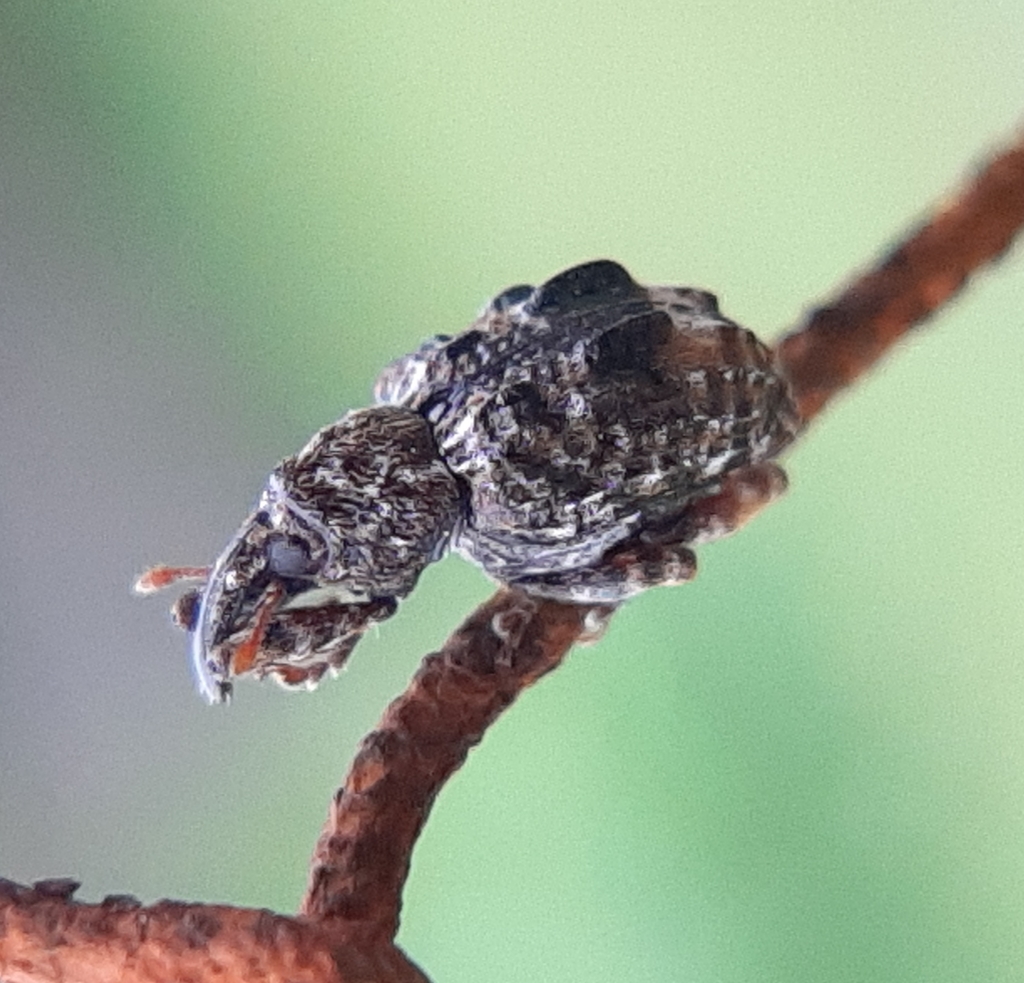
Symptoms by part
Fruit
Small crescent shaped scars on the skin where eggs were laid, followed by premature fruit drop and internal tunneling by larvae.
Causes
- Presence of nearby wild host trees like hawthorn or wild plum.
- Overwintering sites such as leaf litter or brush piles near the orchard.
- Warm temperatures during the fruit set stage that trigger adult beetle activity.
Could be confused with
- Oriental Fruit Moth · This moth larva tunnels into the tips of new shoots before attacking fruit, whereas the curculio focuses almost exclusively on the fruit.
- Brown Rot · Brown rot is a fungal disease that causes fuzzy gray spores on fruit, while curculio damage is characterized by physical scarring and insect tunnels.
Find out what's really wrong with your plant
Problems that look alike are easy to mix up. Pocket Botanist looks at a photo of your actual plant and tells you what's going on, how serious it is, and what to try first. Identification and a health check are free.



Scan with your phone's camera to get the app
Or go to pocketbotanist.app/get on your phone
Treatment
- Spread a white sheet under the tree canopy in the early morning and shake the branches to knock the beetles onto the fabric for manual removal.
- Collect and destroy all fallen fruit daily to prevent larvae from exiting the fruit and burrowing into the soil to pupate.
- Apply spinosad to the fruit and foliage during the petal fall stage to target adult beetles, follow the label.
Without chemicals
- Place a white sheet under the tree to catch beetles during shaking.
- Remove and dispose of all fallen fruit immediately.
- Clear away brush piles and tall grass near the base of trees to eliminate overwintering spots.
Chemical options
- Spinosad, apply to fruit and foliage during the petal fall stage, follow the label.
Preventing it
- Keep the area under the tree canopy clean of debris and leaf litter.
- Thin fruit clusters to reduce the number of sites available for egg laying.
- Maintain a clear perimeter around the orchard to discourage beetle migration from wild hosts.
Season
The warm growing season, specifically starting when fruit first begins to set.
Spread risk
Moderate
Severity
Moderate
When to act
Act as soon as the petals fall from the blossoms and the tiny fruit begins to form. If the infestation is severe and the tree is too large to manage safely, consult a tree surgeon for professional assistance.
Keep your plants healthy from here
Save your plants in Pocket Botanist and you get care reminders timed for each one, plus a care history that shows what worked. Identification and a health check are free.
Questions people ask
- Why do my fruits have crescent shaped marks?
- Those marks are the signature egg laying scars left by the female plum curculio beetle.
- Can I eat fruit that has been attacked?
- If the damage is minor and the fruit is still firm, you can cut away the affected area, but usually the fruit will drop early and be of poor quality.
Plants it affects
Answers plant by plant
This guide was generated with AI on and is general information, not horticultural advice. Read about how we build these guides.