 Pocket Botanist
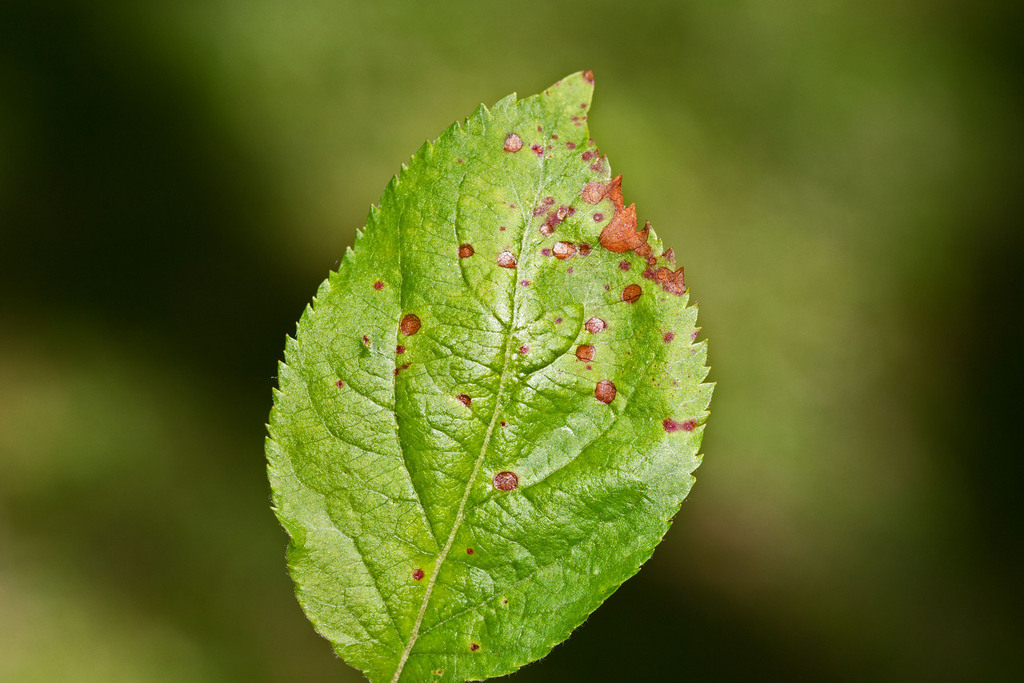
Symptoms by part
Leaves
Small, gray to brown circular spots with dark reddish brown borders that resemble the eye of a frog.
Causes
- Warm and humid weather conditions
- Frequent rainfall or overhead irrigation that keeps foliage wet
- Presence of infected plant debris from previous seasons
- High plant density that restricts airflow
Could be confused with
- Bacterial Blight · Bacterial blight spots are usually angular and yellowed rather than perfectly circular with a distinct dark ring.
- Septoria Brown Spot · Septoria spots are typically smaller, more irregular in shape, and lack the characteristic light gray center of frogeye lesions.
Find out what's really wrong with your plant
Problems that look alike are easy to mix up. Pocket Botanist looks at a photo of your actual plant and tells you what's going on, how serious it is, and what to try first. Identification and a health check are free.



Scan with your phone's camera to get the app
Or go to pocketbotanist.app/get on your phone
Treatment
- Remove and destroy all infected leaves as soon as they appear to reduce the local spore count.
- Clear away all plant debris from the soil surface at the end of the season to prevent overwintering.
- Prune surrounding vegetation to improve air circulation around the plants.
- Apply potassium bicarbonate to the foliage during humid weather to alter the leaf surface pH, follow the label.
Without chemicals
- Practice crop rotation to avoid planting in the same soil for 2 to 3 years.
- Use drip irrigation instead of overhead watering to keep foliage dry.
- Space plants further apart to encourage faster drying of leaves after rain.
Chemical options
- Potassium bicarbonate, spray on leaves when conditions are humid, follow the label.
- Tebuconazole, apply as a preventative spray during high humidity, follow the label.
Preventing it
- Select resistant plant varieties when available.
- Ensure soil is well drained to reduce humidity around the base of the plant.
- Clean garden tools thoroughly after working with infected plants to avoid spreading spores.
Season
The warm growing season, especially during periods of high humidity and frequent rain.
Spread risk
Moderate
Severity
Moderate
When to act
Act as soon as you spot the first circular lesions on the lower leaves. If the infection covers more than half of the foliage, it is best to remove the plant entirely to protect nearby crops.
Keep your plants healthy from here
Save your plants in Pocket Botanist and you get care reminders timed for each one, plus a care history that shows what worked. Identification and a health check are free.
Questions people ask
- Will my plant die from Frogeye Leaf Spot?
- Usually no, but it will be significantly weakened and produce fewer beans if the infection is severe.
- Can I compost the infected leaves?
- It is best to avoid composting them, as home compost piles often do not get hot enough to kill the fungal spores.
Plants it affects
Answers plant by plant
This guide was generated with AI on and is general information, not horticultural advice. Read about how we build these guides.