 Pocket Botanist
Symptoms by part
Stems
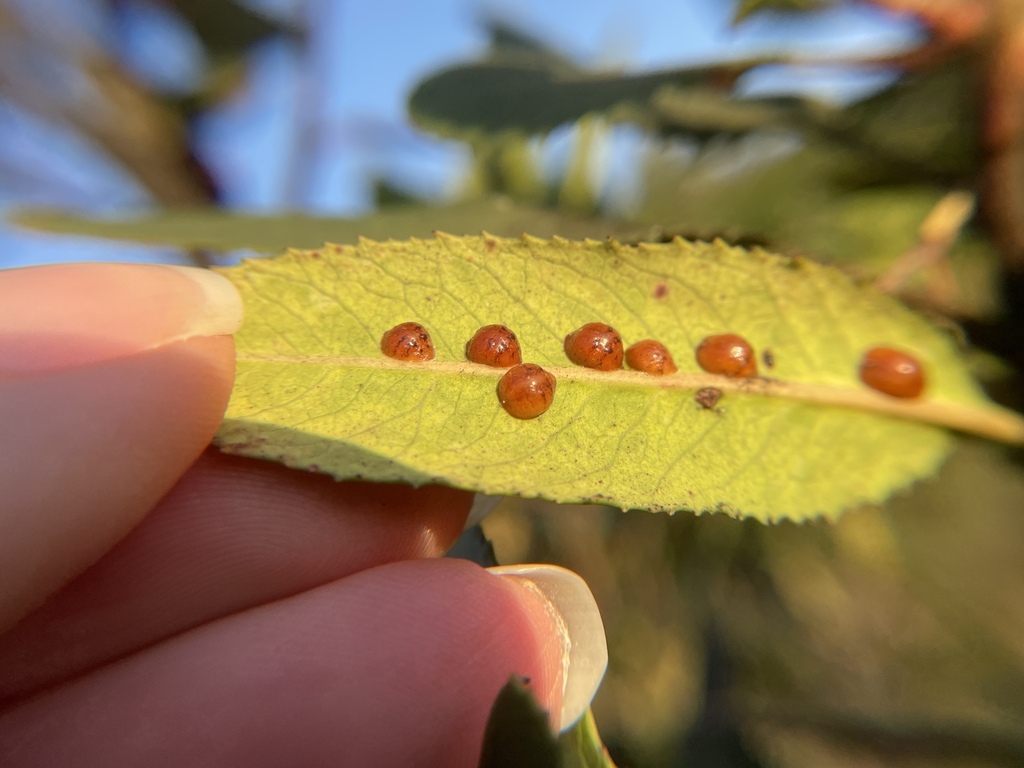
You will see small, brown, raised bumps that look like tiny shells or blisters attached firmly to the bark. These bumps often appear in clusters and may be accompanied by a sticky, shiny residue or a layer of black sooty mold.
Causes
- Overcrowded branches that prevent good airflow.
- Plants that are already stressed by poor nutrition or drought.
- Lack of natural predators in the garden environment.
Could be confused with
- Natural bark lenticels · Lenticels are part of the plant tissue and cannot be scraped off, whereas scale insects can be dislodged with a fingernail.
- Bud scales · Bud scales are located only at the base of new growth or dormant buds, while scale insects appear randomly along the older, woody stems.
Find out what's really wrong with your plant
Problems that look alike are easy to mix up. Pocket Botanist looks at a photo of your actual plant and tells you what's going on, how serious it is, and what to try first. Identification and a health check are free.



Scan with your phone's camera to get the app
Or go to pocketbotanist.app/get on your phone
Treatment
- 1. Gently scrape the visible scale insects off the stems using a soft brush or a dull plastic scraper during the warm growing season.
- 2. Prune away heavily infested branches to reduce the population and improve airflow through the plant structure.
- 3. Apply fatty acids to the stems to coat and suffocate any remaining young crawlers, follow the label.
Without chemicals
- Prune out the most severely infested stems and dispose of them in the trash rather than the compost pile.
- Use a high pressure water spray to physically dislodge the insects from the bark.
Chemical options
- Fatty acids, apply as a direct spray to the stems to target the insects, follow the label.
Preventing it
- Keep the wisteria pruned to maintain an open structure that allows light and air to reach the center of the plant.
- Avoid over fertilizing with nitrogen, which creates soft, succulent growth that attracts pests.
- Encourage beneficial insects like ladybugs and lacewings to visit your garden by planting a variety of nectar rich flowers nearby.
Season
The warm growing season.
Spread risk
Moderate
Severity
Moderate
When to act
Act as soon as you notice the bumps on the stems to prevent the population from exploding. If the infestation covers the entire plant and causes significant dieback, you may need to replace the vine.
Keep your plants healthy from here
Save your plants in Pocket Botanist and you get care reminders timed for each one, plus a care history that shows what worked. Identification and a health check are free.
Questions people ask
- Will wisteria scale kill my plant?
- It rarely kills a healthy, established wisteria, but it can significantly weaken the plant and reduce its ability to bloom if left untreated for several seasons.
- Why is there black stuff on my wisteria leaves?
- That is likely sooty mold, which grows on the sticky honeydew excreted by the scale insects. Once you remove the scale, the mold will eventually weather away.
Plants it affects
Answers plant by plant
This guide was generated with AI on and is general information, not horticultural advice. Read about how we build these guides.