 Pocket Botanist
Symptoms by part
Stems
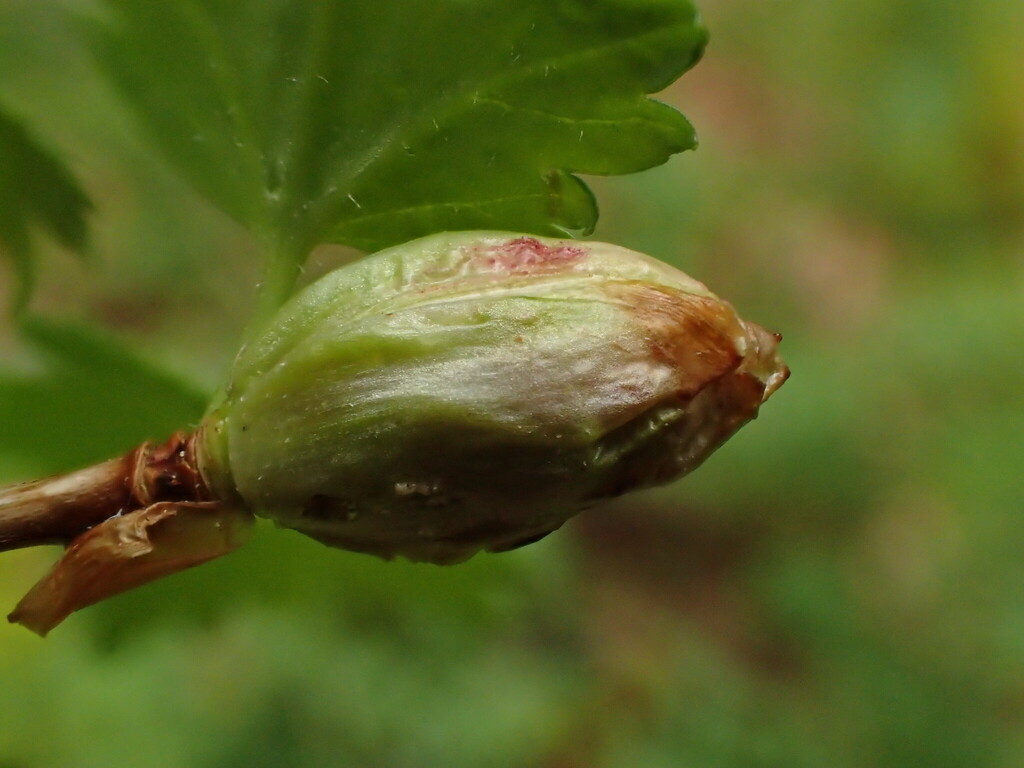
Buds appear abnormally large, rounded, and swollen compared to healthy, pointed buds. These infested buds fail to produce leaves or flowers and eventually turn brown and dry up.
Causes
- Introduction of infested plant material into the garden.
- Wind currents carrying mites from nearby infected bushes to healthy ones.
- Movement of mites on the bodies of insects or birds visiting the plants.
Could be confused with
- Normal bud development · Healthy buds are typically smaller, elongated, and pointed, whereas infested buds are distinctly round and bloated.
- Frost damage · Frost damage usually affects all buds on a branch simultaneously and causes browning without the characteristic rounded swelling of the mite.
Find out what's really wrong with your plant
Problems that look alike are easy to mix up. Pocket Botanist looks at a photo of your actual plant and tells you what's going on, how serious it is, and what to try first. Identification and a health check are free.



Scan with your phone's camera to get the app
Or go to pocketbotanist.app/get on your phone
Treatment
- Prune away and destroy all visibly swollen buds by hand during the winter or early spring before they start to open.
- Remove and burn or dispose of entire branches that show heavy infestations to prevent further spread.
- Replace the entire bush if more than half of the buds are infested, as the mite population is likely too deep within the plant to control.
Without chemicals
- Prune out infested buds during the dormant season.
- Remove and destroy heavily infested plants to protect neighboring healthy bushes.
- Choose resistant varieties when planting new currants.
Preventing it
- Inspect new plants carefully for swollen buds before bringing them into your garden.
- Space bushes far enough apart to reduce the likelihood of mites drifting between them on the wind.
- Maintain plant vigor with proper watering and feeding to help the bush withstand minor infestations.
Season
The warm growing season, specifically when mites migrate from old buds to new ones.
Spread risk
Moderate
Severity
Moderate
When to act
Act immediately upon spotting swollen buds by removing them before the mites emerge. If the infestation is widespread across the whole plant, it is best to remove and replace the bush entirely.
Keep your plants healthy from here
Save your plants in Pocket Botanist and you get care reminders timed for each one, plus a care history that shows what worked. Identification and a health check are free.
Questions people ask
- Can I eat the fruit from a bush with big bud mite?
- Yes, the mites do not affect the safety of the fruit, but you will likely have very little fruit to harvest because the infested buds fail to flower.
- Will the mites go away on their own?
- No, the population will continue to grow and spread to healthy buds each year, eventually weakening the plant significantly.
Plants it affects
Answers plant by plant
This guide was generated with AI on and is general information, not horticultural advice. Read about how we build these guides.