 Pocket Botanist
Symptoms by part
Leaves
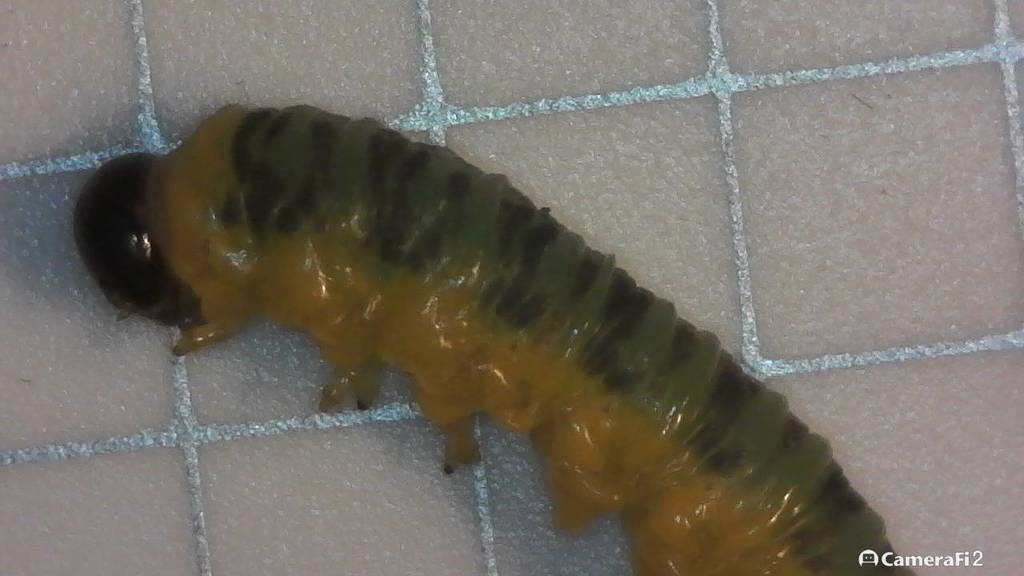
Young larvae create small holes or skeletonize the leaf tissue, while older larvae consume entire leaf blades, leaving only the tough central veins behind.
Causes
- Presence of adult sawflies laying eggs on the underside of dogwood leaves during the growing season.
- Warm temperatures that favor the rapid development of larvae from eggs to feeding stage.
Could be confused with
- Japanese Beetles · Japanese beetles leave a lacy, skeletonized pattern on the entire leaf, whereas sawfly larvae often eat from the edges inward or consume entire sections.
- Caterpillars · Sawfly larvae have more than five pairs of prolegs, while most moth caterpillars have five or fewer.
Find out what's really wrong with your plant
Problems that look alike are easy to mix up. Pocket Botanist looks at a photo of your actual plant and tells you what's going on, how serious it is, and what to try first. Identification and a health check are free.



Scan with your phone's camera to get the app
Or go to pocketbotanist.app/get on your phone
Treatment
- 1. Hand pick the larvae off the leaves during the early morning or late evening when they are most active.
- 2. Drop the collected larvae into a bucket of soapy water to kill them.
- 3. Prune away heavily infested branches if the larvae are too numerous to pick by hand.
- 4. Apply spinosad to the foliage if the infestation covers more than a small portion of the plant, follow the label.
Without chemicals
- Hand picking larvae from the leaves.
- Pruning and disposing of infested branches in the trash.
- Encouraging natural predators like birds and parasitic wasps in the garden.
Chemical options
- Spinosad, spray directly onto the foliage where larvae are feeding, follow the label.
Preventing it
- Keep the area around the base of the dogwood clear of debris to reduce overwintering sites.
- Encourage biodiversity in your garden to attract natural enemies of sawflies.
- Check the undersides of leaves for clusters of eggs from late spring to early summer and remove them before they hatch.
Season
The warm growing season, typically from late spring through late summer.
Spread risk
Moderate
Severity
Moderate
When to act
Act as soon as you notice small holes or skeletonized leaves on your dogwood. If the tree is large and the infestation is at the very top, you may need to hire a tree surgeon to reach the affected areas.
Keep your plants healthy from here
Save your plants in Pocket Botanist and you get care reminders timed for each one, plus a care history that shows what worked. Identification and a health check are free.
Questions people ask
- Will my dogwood die if it gets infested?
- Usually no. While it looks unsightly, a healthy dogwood can typically recover from a single season of defoliation.
- Do these pests bite or sting?
- No, they are harmless to humans and pets, though they can be messy if crushed.
- How many generations occur in a year?
- There is typically only one generation per year, meaning once you clear them out, you are likely done for the season.
Plants it affects
Answers plant by plant
This guide was generated with AI on and is general information, not horticultural advice. Read about how we build these guides.