 Pocket Botanist
Symptoms by part
Flowers
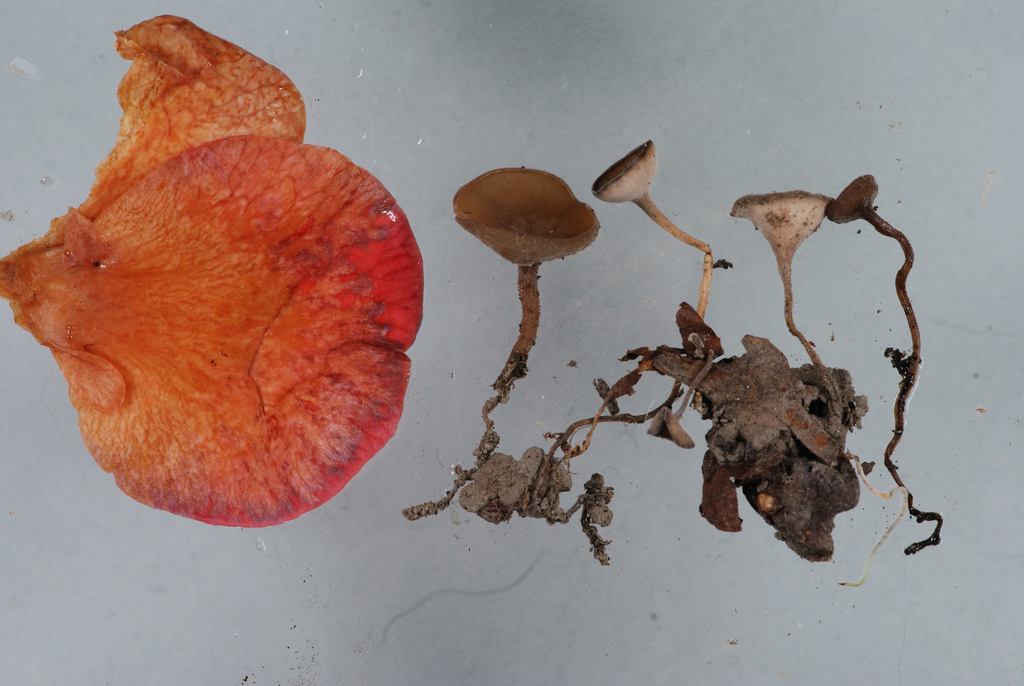
Small, irregular brown spots appear on the petals, which quickly enlarge and merge until the entire flower turns a dark, leathery brown. Eventually, the infected bloom detaches from the plant and falls to the ground, where it develops hard, black, seed-like structures called sclerotia.
Causes
- High humidity and frequent rainfall during the flowering period.
- The presence of fungal spores in the soil from previous years.
- Poor air circulation around the base of the plant.
- Accumulation of fallen, infected blooms left on the ground.
Could be confused with
- Frost damage · Frost damage usually affects the edges of petals first and happens suddenly after a cold snap, whereas blight starts as spots that spread across the whole flower.
- Natural aging · As camellia flowers age, they often turn brown, but they typically do so uniformly and stay on the plant longer, while blight causes rapid, blotchy decay.
Find out what's really wrong with your plant
Problems that look alike are easy to mix up. Pocket Botanist looks at a photo of your actual plant and tells you what's going on, how serious it is, and what to try first. Identification and a health check are free.



Scan with your phone's camera to get the app
Or go to pocketbotanist.app/get on your phone
Treatment
- Pick up every fallen flower from the ground beneath the plant immediately to stop the fungus from forming resting structures in the soil.
- Prune away any flowers that show early signs of spotting while they are still attached to the branches.
- Remove the top 2 to 4 inches of mulch or soil from beneath the plant to dispose of any spores that have already settled.
Without chemicals
- Replace the removed mulch with a fresh, clean layer to create a barrier between the soil and the plant.
- Improve air circulation by thinning out dense branches if the plant is overcrowded.
- Avoid overhead watering to keep the petals as dry as possible.
Preventing it
- Clear away all fallen petals from the garden bed daily during the blooming season.
- Apply a fresh layer of mulch every year to bury any remaining spores.
- Ensure the garden bed has excellent drainage to prevent standing water.
Season
Cool, moist weather in late winter and spring, specifically during the period when the plant is in bloom.
Spread risk
High
Severity
Moderate
When to act
Act the moment you see the first brown spots on a petal to prevent the fungus from spreading to the soil. If the infection is severe and happens every year despite your best efforts, you may need to consider replacing the plant with a variety that blooms at a different time.
Keep your plants healthy from here
Save your plants in Pocket Botanist and you get care reminders timed for each one, plus a care history that shows what worked. Identification and a health check are free.
Questions people ask
- Can I compost the infected flowers?
- No, do not compost infected flowers as the fungus can survive the heat of a standard home compost pile. It is best to bag them and put them in the trash.
- Will the fungus kill my camellia bush?
- The fungus only affects the flowers, so it will not kill the plant itself. However, it can be very discouraging to lose your entire display of blooms.
Plants it affects
This guide was generated with AI on and is general information, not horticultural advice. Read about how we build these guides.