 Pocket Botanist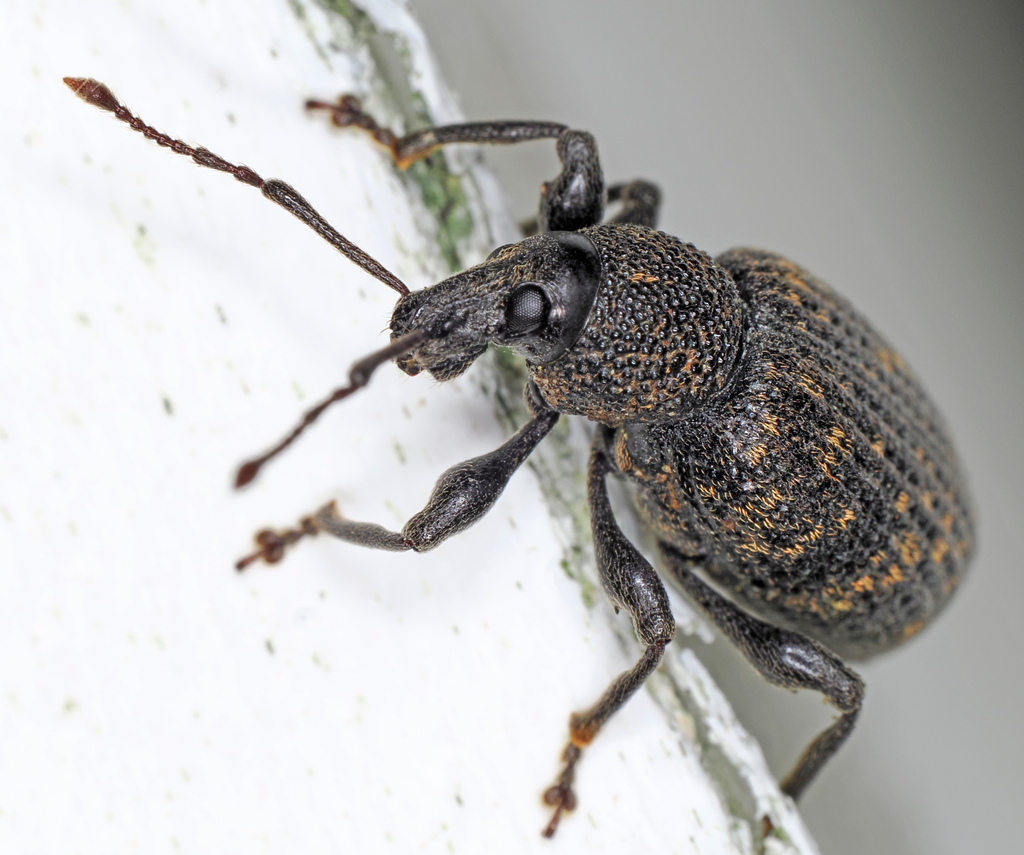
Symptoms by part
Roots
The larvae consume the roots and the base of the stem, causing the plant to wilt and eventually detach from the soil entirely.
Leaves
Adult beetles create characteristic semi circular notches along the edges of the leaves.
Causes
- Container grown plants with restricted root space.
- Plants kept in pots for multiple seasons without repotting.
- Humid and sheltered environments that favor beetle survival.
Could be confused with
- Leaf cutter bees · Leaf cutter bees create smooth, circular or oval holes in the middle or edges of leaves, whereas vine weevil notches are jagged and always on the leaf margin.
- Root rot · Root rot causes mushy, discolored roots due to overwatering, while vine weevil damage shows clear signs of physical chewing and missing root tissue.
Treatment
- Tip the plant out of its pot to inspect the root ball for creamy white, C shaped larvae.
- Wash all soil from the roots and discard the infested potting medium into the trash, not the compost.
- Repot the plant into fresh, clean potting mix after trimming away any damaged root tissue.
- Apply parasitic nematodes to the soil during the warm growing season to target and kill the larvae.
- Collect adult beetles by hand at night using a flashlight to stop them from laying more eggs.
Without chemicals
- Use biological control by introducing parasitic nematodes into the soil.
- Place sticky barriers around the base of pots to prevent adult beetles from climbing up to the foliage.
- Repot container plants regularly to inspect root health and refresh the growing medium.
Chemical options
- Acetamiprid, apply as a soil drench to container plants during the warm growing season to control larvae, follow the label.
Preventing it
- Check new plants thoroughly for notched leaves before bringing them into your garden.
- Use light colored gravel as a top dressing on pots to make it harder for adults to lay eggs in the soil.
- Encourage natural predators like frogs, toads, and ground beetles in your garden.
Season
The warm growing season is when adults are active and larvae are feeding, though larvae can continue feeding in mild soil temperatures throughout the year.
Spread risk
Moderate
Severity
High
When to act
Act as soon as you see notched leaves or signs of wilting in container plants. If the plant has lost most of its root system and cannot support itself, it is best to remove and dispose of it.
Think it's Vine Weevil?
This guide covers the general picture. Pocket Botanist looks at your actual plant from a photo and tells you what's really going on, how serious it is, and what to try first. Identification and a health check are free.


Questions people ask
- Can I compost the soil from an infested pot?
- No, the larvae can survive in compost heaps. It is safer to dispose of infested soil in your household waste.
- Do vine weevils only attack plants in pots?
- While they are most destructive in containers, they also attack plants in the ground, particularly those with fleshy roots like cyclamen or primulas.
Plants it affects
This guide was generated with AI and is general information, not horticultural advice. Read about how we build these guides.