 Pocket Botanist
Symptoms by part
Roots
Larvae create distinct feeding grooves or tunnels along the surface of the taproot and smaller lateral roots, which can eventually girdle the root system.
Causes
- Presence of host legumes like clover or alfalfa in the garden soil.
- Warm, moist soil conditions that favor larval development.
- Continuous cropping of susceptible legumes in the same location year after year.
Could be confused with
- Root rot fungi · Fungal infections typically cause mushy, discolored, or blackened roots, whereas curculio damage shows clear, mechanical chewing marks and grooves.
- Nematodes · Nematodes often cause galls or swellings on the roots, while curculio damage is characterized by surface scarring and tunneling.
Find out what's really wrong with your plant
Problems that look alike are easy to mix up. Pocket Botanist looks at a photo of your actual plant and tells you what's going on, how serious it is, and what to try first. Identification and a health check are free.



Scan with your phone's camera to get the app
Or go to pocketbotanist.app/get on your phone
Treatment
- Rotate crops by planting non-legume species in the affected area for at least two years to starve the larvae.
- Till the soil deeply after harvesting the legumes to expose larvae to birds and drying conditions.
- Apply beneficial nematodes to the soil when larvae are active to biologically control the population.
Without chemicals
- Practice crop rotation to break the life cycle.
- Remove and destroy heavily infested plant debris immediately after harvest.
- Improve soil drainage to make the environment less hospitable for larvae.
Preventing it
- Avoid planting legumes in the same garden bed more than once every three years.
- Maintain healthy soil structure to encourage natural predators like ground beetles.
- Keep the area free of volunteer clover or other legume weeds that act as hosts.
Season
The warm growing season, with peak larval activity occurring when soil temperatures are favorable for development.
Spread risk
Moderate
Severity
Moderate
When to act
Act as soon as you notice stunted growth or poor vigor in your legume patches. If the plants fail to recover after a season of rotation, remove the remaining plant material and replace the soil in that area.
Keep your plants healthy from here
Save your plants in Pocket Botanist and you get care reminders timed for each one, plus a care history that shows what worked. Identification and a health check are free.
Questions people ask
- Can I see the adult beetles?
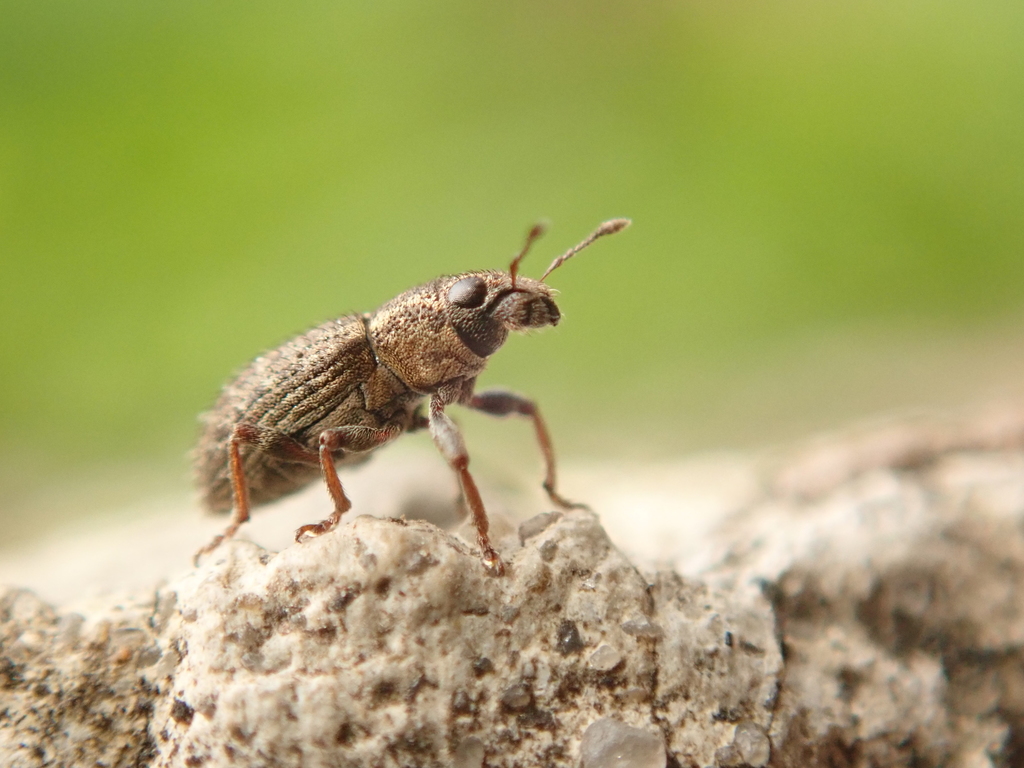
- Yes, the adults are small, dark, snout-nosed beetles, but they are often nocturnal and hide during the day, making them difficult to spot.
- Will my clover recover on its own?
- If the root damage is extensive, the plant will likely struggle to survive. It is usually better to remove the infested plants and rotate the crop.
Plants it affects
Answers plant by plant
This guide was generated with AI on and is general information, not horticultural advice. Read about how we build these guides.