 Pocket Botanist
Symptoms by part
Leaves
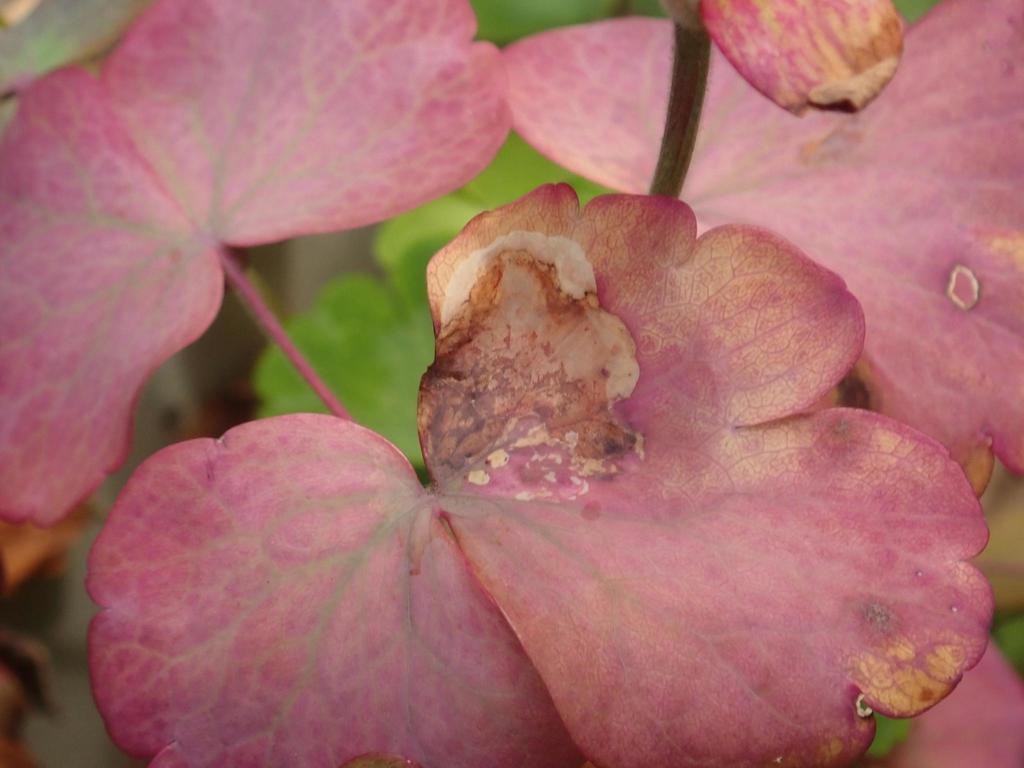
You will see winding, white or pale green serpentine trails snaking across the leaf surface, often widening as the larva grows.
Causes
- The presence of adult flies laying eggs on the underside of leaves during the growing season.
- Warm, sheltered garden spots that provide ideal conditions for the flies to reproduce.
- Lack of natural predators like parasitic wasps that would otherwise keep the population in check.
Could be confused with
- Powdery Mildew · Powdery mildew appears as a powdery white coating on the surface of the leaf rather than distinct, internal tunnels.
- Leaf Spot Disease · Leaf spots are usually circular or irregular blotches that do not follow the winding, tunnel like pattern of a miner.
Find out what's really wrong with your plant
Problems that look alike are easy to mix up. Pocket Botanist looks at a photo of your actual plant and tells you what's going on, how serious it is, and what to try first. Identification and a health check are free.



Scan with your phone's camera to get the app
Or go to pocketbotanist.app/get on your phone
Treatment
- 1. Pinch off and destroy individual leaves that show visible tunnels as soon as you spot them to remove the larvae before they mature.
- 2. Use spinosad as a spray on the foliage to target the larvae, follow the label.
- 3. Clear away all plant debris from the base of the columbines in late autumn to remove overwintering pupae.
Without chemicals
- Hand pick and destroy infested leaves.
- Encourage beneficial insects by planting flowers that attract parasitic wasps.
- Remove and dispose of all columbine foliage at the end of the season to break the life cycle.
Chemical options
- Spinosad, apply to the foliage when tunnels first appear, follow the label.
Preventing it
- Keep the area around your columbines clean by removing fallen leaves and debris.
- Avoid using broad spectrum pesticides that kill off the natural predators of the leaf miner.
- Cover young columbine foliage with fine insect netting in spring to keep adult flies from laying eggs.
Season
The warm growing season, starting from late spring through the end of summer.
Spread risk
Moderate
Severity
Low
When to act
Act as soon as you notice the first white trails on the leaves to prevent the infestation from spreading. If the plant is severely stunted or the majority of the foliage is damaged, cut the plant back to the ground to encourage fresh, healthy growth.
Keep your plants healthy from here
Save your plants in Pocket Botanist and you get care reminders timed for each one, plus a care history that shows what worked. Identification and a health check are free.
Questions people ask
- Will my columbine die from leaf miners?
- Usually no. The damage is mostly cosmetic, though a heavy infestation can stress the plant and make it look ragged.
- Can I compost the infested leaves?
- It is best not to. The larvae or pupae may survive in a standard compost pile, so it is safer to dispose of them in your regular trash or burn them if local rules allow.
- Do I need to treat the whole plant?
- If you catch it early, hand picking the affected leaves is often enough. Only use chemical treatments if the infestation is widespread across the entire plant.
Plants it affects
Answers plant by plant
This guide was generated with AI on and is general information, not horticultural advice. Read about how we build these guides.