 Pocket Botanist
Plant guide
European columbine.
Aquilegia vulgaris
Pronounced ah-kwi-LEE-gee-uh vul-GAIR-iss
Also known as Capon's-feather, Columbine, European Columbine, European Crowfoot



Scan with your phone's camera to get the app
Or go to pocketbotanist.app/get on your phone
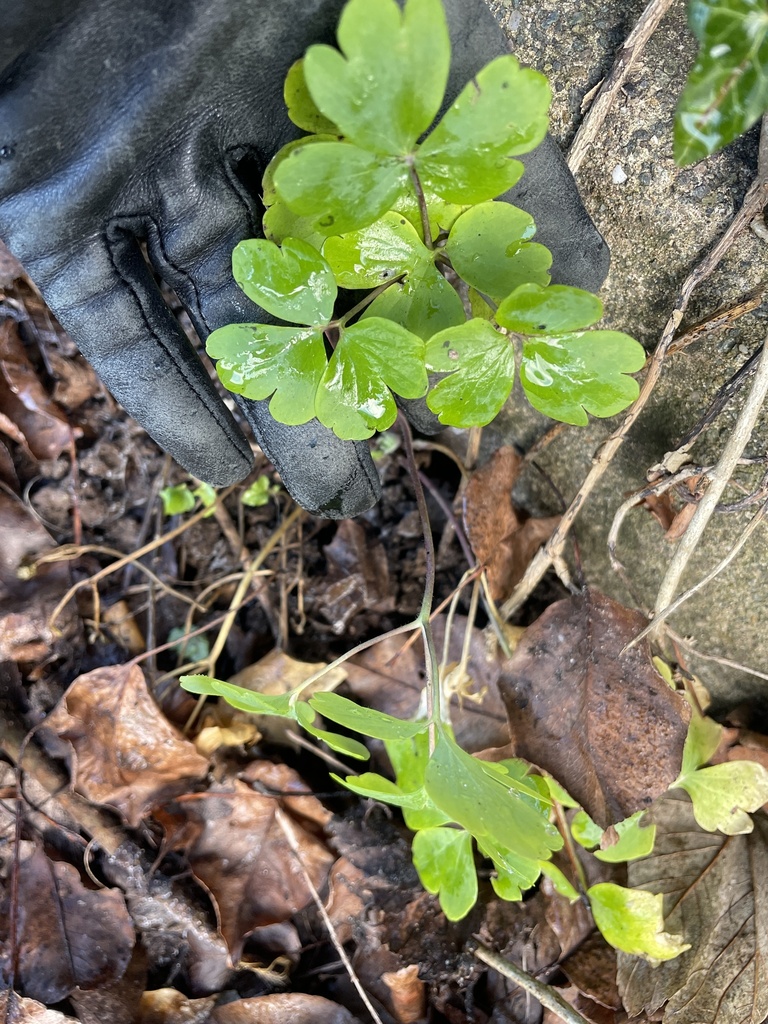
Columbines are charming perennials known for their unique, spurred flowers that dance above delicate foliage. They bring a touch of woodland elegance to any garden border. These plants are quite hardy and often self seed to create lovely naturalized patches.
At a glance
- Care level
- Easy
- Plant type
- Perennial
- Light
- Partial shade to full sun
- Indoor light
- Bright indirect
- Water
- Every 3 to 7 days
- Mature size
- 1 to 3 feet
- Growth rate
- Medium
- Hardiness
- USDA 3 to 8
- Bloom time
- Late spring to early summer
Care
Keep the soil consistently moist but never waterlogged to ensure the best blooms. Watch for wilting during hot spells, as these plants prefer cooler temperatures. Deadhead spent flowers to encourage a second flush of color.
- Watering
- Water when the top inch of soil feels dry to the touch.
- Feeding
- Apply a balanced liquid fertilizer during the active growing season.
- Pruning
- Trim back faded flower stalks to keep the plant tidy and promote new growth.
- Repotting
- Repot only if the plant becomes root bound or needs division to maintain vigor.
- Soil
- Well draining, humus rich soil
- Soil pH
- 6.0 to 7.5
- Temperature
- -30 to 30°C
- Humidity
- 40 to 70%
- Drought tolerance
- Moderate
- Lifespan
- Short-lived perennial, typically 3 to 5 years.
- Deer and rabbits
- Moderate
Signs it needs repotting
- Roots growing out of the drainage holes.
- Stunted growth during the spring season.
- Soil drying out much faster than usual.
Safety
- People
- All parts of the plant contain cyanogenic glycosides and can cause irritation or illness if ingested.
- Pets
- The ASPCA lists this plant as non-toxic to cats and dogs, though eating a large amount may cause mild stomach upset.
- Children
- Keep this plant away from small children as ingestion of any part can cause stomach upset.
- Contact allergens
- Handling the foliage may cause mild skin irritation in sensitive individuals.
- Airborne allergens
- The pollen is not typically considered a major allergen.
- Edibility
- This plant is considered toxic if ingested and should not be consumed.
How to identify it
- Distinctive five petaled spurred flowers
- Blue green fern like foliage
- Nodding flower heads
- Compound leaves with rounded leaflets
- Height
- 0.3 to 0.9m
- Spread
- 0.3 to 0.45m
- Leaves
- blue-green, deciduous
- Flowers
- purple, blue, pink, white, 3 to 5cm
- Fruit
- brown, Late summer
Problems to watch for
- Columbine Leaf MinerCommon
- Powdery MildewCommon
- AphidsUncommon
- Leaf SpotUncommon
- Root RotUncommon
- Slugs and SnailsUncommon
- Leaf miner · Small larvae create winding white trails inside the leaves.
Check your european columbine from a photo
Pocket Botanist looks at a photo of your plant and tells you what's wrong and what to try first.
Scan with your phone's camera to get the app
Or go to pocketbotanist.app/get on your phone
Growing it
- Propagation
- seed, division
- When to plant
- spring, autumn
- Overwintering
- Cut back the dead foliage to the ground in late autumn. A light layer of mulch can help protect the crown during freezing temperatures.
- In containers
- They grow well in pots at least 25 cm deep with high-quality, well-draining potting mix.
Seed
- Collect dry seeds in late summer.
- Sow seeds in pots during autumn.
- Keep in a cold frame to allow natural stratification.
Plant columbines with other shade-loving perennials to create a layered look that hides the foliage as it fades in late summer.
Grows well with
- Bleeding Heart · They share similar light and moisture needs in woodland settings.
- Ferns · Ferns provide a beautiful textural contrast to the delicate columbine foliage.
Similar species
- Eastern Red Columbine · This is a North American native with similar growth habits and flower structure.
Science
- Family
- Ranunculaceae
- Genus
- Aquilegia
- Order
- Ranunculales
- Class
- Magnoliopsida
- Native range
- Europe and temperate Asia.
- Conservation
- It is widely naturalized in many areas, though some local populations are protected.
It thrives in woodland edges and meadows where it can access dappled light and moist soil.
- Value to wildlife
- nectar source
- Pollinators
- bees, butterflies, hummingbirds
- Uses
- cottage gardens, pollinator borders, woodland gardens
Through the year
Ecological indicators
- Salinity
- 1/9
- Soil reaction
- 6/9
- Light
- 5/9
- Temperature
- 4/9
- Moisture
- 6/9
- Nutrients
- 5/9
Taxonomy resolved against GBIF.
Questions people ask
- Why is my columbine dying after blooming?
- Columbines are often short-lived perennials that naturally decline after a few seasons.
- Can I grow these in pots?
- Yes, they do well in containers provided the soil has excellent drainage.
Where the name comes from
The name Aquilegia comes from the Latin aquila, meaning eagle, because the spurs resemble eagle talons. The common name columbine comes from the Latin columba, meaning dove, as the petals look like a cluster of doves.
Good to know
- The name columbine comes from the Latin word for dove due to the flower shape.
- Aquilegia is derived from the Latin word for eagle, referring to the spur shape.
- These plants often self-seed freely in the garden.
Keep your european columbine growing
This page is a general guide. Save your plant in Pocket Botanist and you get care reminders timed for this plant, plus a care history that shows what worked.
Scan with your phone's camera to get the app
Or go to pocketbotanist.app/get on your phone
This guide was generated with AI on and checked against GBIF taxonomy. It is general information, not horticultural or veterinary advice. Read about how we build these guides.