 Pocket Botanist
Symptoms by part
Leaves
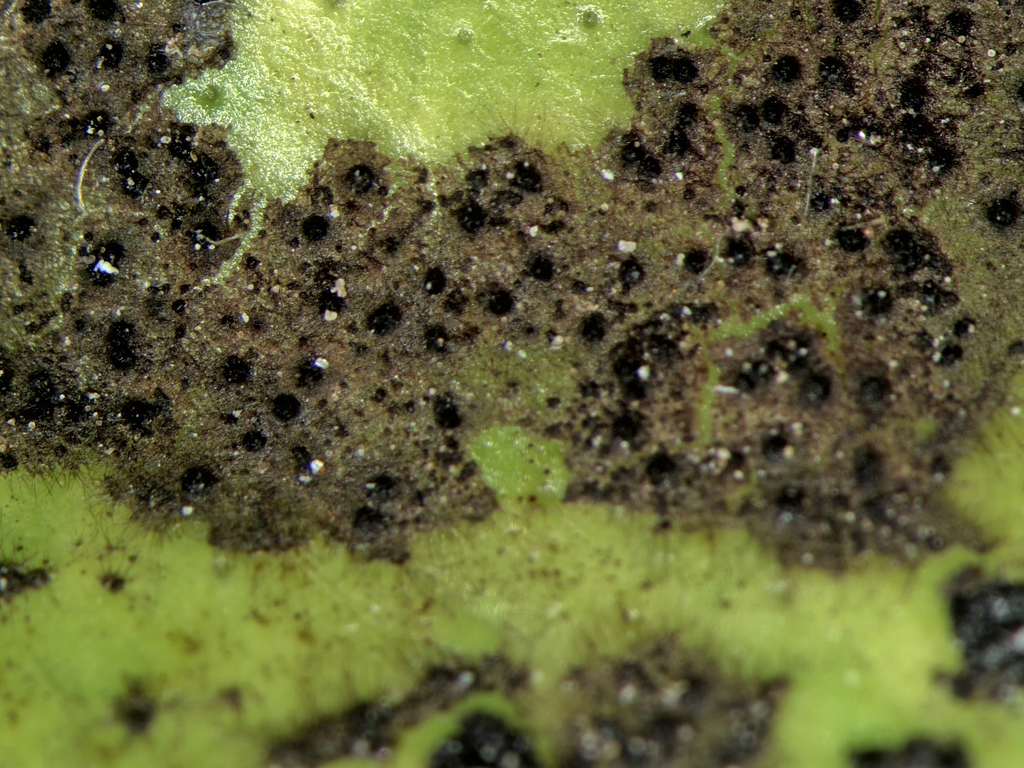
A dusty, black, soot like coating that can be rubbed off with a finger, often appearing on the upper surfaces of the leaves.
Causes
- Infestations of sap sucking insects like aphids, whiteflies, mealybugs, or scale insects.
- The presence of honeydew, a sugary waste product excreted by these insects.
- Warm, humid conditions that favor fungal growth.
Could be confused with
- Black spot · Black spot creates distinct, circular lesions that are embedded in the leaf tissue, whereas sooty mold sits on top and wipes off.
- Powdery mildew · Powdery mildew appears as white or light gray dusty patches rather than a dark, black coating.
Find out what's really wrong with your plant
Problems that look alike are easy to mix up. Pocket Botanist looks at a photo of your actual plant and tells you what's going on, how serious it is, and what to try first. Identification and a health check are free.



Scan with your phone's camera to get the app
Or go to pocketbotanist.app/get on your phone
Treatment
- Gently wash the affected leaves with a soft cloth and mild soapy water to remove the black film.
- Use a steady stream of water from a garden hose to spray off the honeydew and mold from the foliage.
- Identify and address the underlying insect infestation to stop the production of new honeydew.
- Prune away heavily infested branches to improve airflow and reduce the surface area for the mold to grow.
Without chemicals
- Prune out crowded or crossing branches to increase light and air circulation.
- Introduce or encourage beneficial insects like ladybugs and lacewings that prey on the sap sucking pests.
- Isolate heavily infested plants from healthy ones to prevent the spread of the insects causing the honeydew.
Chemical options
- Fatty acids, apply as a contact spray to eliminate the sap sucking insects, follow the label.
Preventing it
- Inspect the undersides of leaves regularly for signs of aphids, scale, or whiteflies.
- Keep plants well watered and healthy to help them resist insect pressure.
- Manage ant colonies near your plants, as ants often protect the honeydew producing insects.
Season
The warm growing season, especially when insect populations are high.
Spread risk
Moderate
Severity
Low
When to act
Act as soon as you notice the black, dusty coating on your leaves. If the plant is a large tree and the infestation is out of reach, contact a tree surgeon for assistance.
Keep your plants healthy from here
Save your plants in Pocket Botanist and you get care reminders timed for each one, plus a care history that shows what worked. Identification and a health check are free.
Questions people ask
- Will sooty mold kill my plant?
- Usually no, it is primarily a cosmetic issue, but it can weaken a plant if the mold covers so much of the leaf surface that the plant cannot produce enough energy.
- Do I need to use a fungicide to get rid of sooty mold?
- No, fungicides are not necessary because the mold is living on the honeydew, not the plant itself. Once you remove the insects and the honeydew, the mold will stop growing.
Plants it affects
Answers plant by plant
This guide was generated with AI on and is general information, not horticultural advice. Read about how we build these guides.