 Pocket Botanist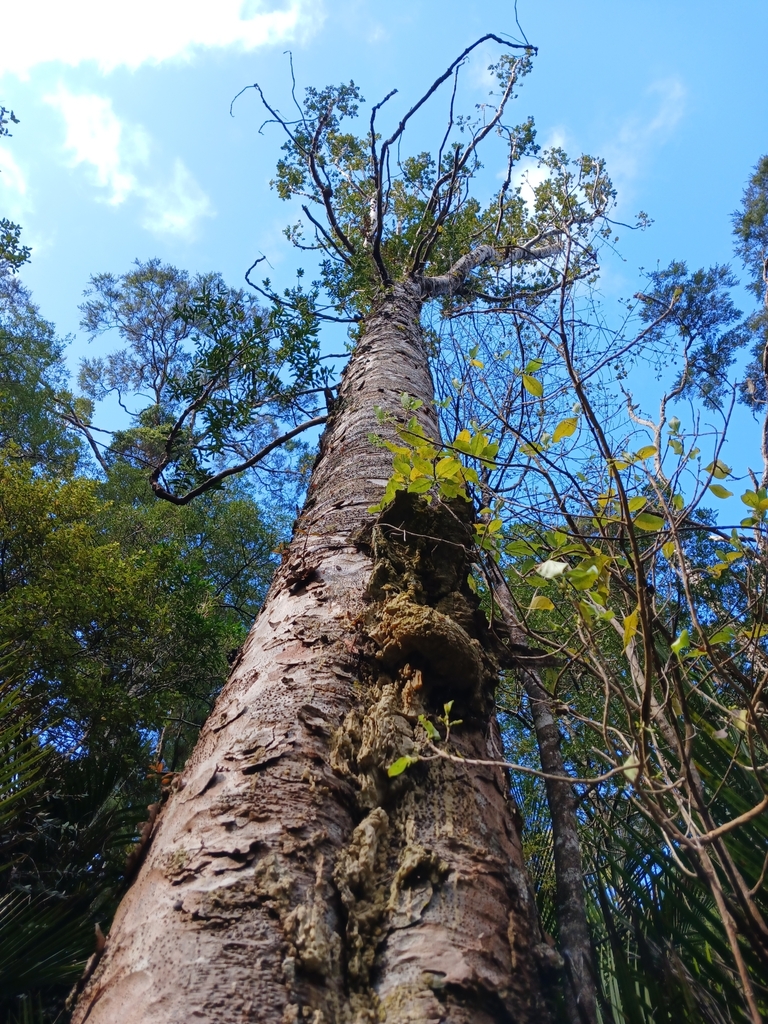
Symptoms by part
Roots
The pathogen infects the fine root hairs, preventing the tree from absorbing water and nutrients, which leads to root rot.
Stems
You will see large, bleeding lesions or cankers at the base of the trunk that ooze resin, often accompanied by yellowing leaves and canopy thinning.
Causes
- Movement of infested soil on footwear, equipment, or animal hooves.
- Waterlogged or poorly drained soil conditions that allow the pathogen to move through the ground.
- Root to root contact between an infected tree and a healthy one.
Could be confused with
- Natural resin bleeding · Natural resin flow is usually a response to minor physical damage or insect activity and does not cause the severe canopy thinning or yellowing seen in dieback.
- Drought stress · Drought causes uniform wilting across the canopy, whereas dieback symptoms often start with specific branches thinning before the whole tree declines.
Treatment
- Restrict all human and animal access to the area around the tree root zone to prevent further soil movement.
- Install physical barriers to prevent water runoff from the infected area into healthy soil.
- Consult a certified arborist to assess the tree and determine if specialized containment or removal is necessary.
Without chemicals
- Clean all footwear and tools with a disinfectant before and after entering any area where Kauri grow.
- Keep the root zone clear of heavy foot traffic to avoid soil compaction.
- Ensure the area around the tree has good drainage to prevent water from pooling.
Preventing it
- Always stay on marked tracks when visiting forests to avoid picking up or spreading contaminated soil.
- Clean and disinfect your footwear and gear using a specialized cleaning station if one is provided at trailheads.
- Avoid moving soil or plant material from one area to another.
Season
The warm growing season, especially during periods of high rainfall when the soil is wet.
Spread risk
High
Severity
High
When to act
Act immediately by restricting access to the area as soon as you notice bleeding lesions or canopy thinning. If the tree shows advanced signs of decline, contact a tree surgeon to discuss safe removal and disposal to protect nearby healthy trees.
Think it's Kauri Dieback?
This guide covers the general picture. Pocket Botanist looks at your actual plant from a photo and tells you what's really going on, how serious it is, and what to try first. Identification and a health check are free.


Questions people ask
- Can I save a tree that already has Kauri Dieback?
- Currently, there is no known cure for Kauri Dieback once it has infected a tree, so the focus is entirely on preventing its spread to healthy trees.
- How does the disease actually kill the tree?
- The pathogen destroys the tree's root system, which cuts off the supply of water and nutrients, effectively starving the tree to death.
- Is it safe to walk near an infected tree?
- Walking near an infected tree is dangerous for the tree because you can easily pick up the pathogen on your shoes and carry it to healthy trees, so it is best to stay well away.
Plants it affects
This guide was generated with AI and is general information, not horticultural advice. Read about how we build these guides.