 Pocket Botanist
Plant guide
Kauri.
Agathis australis
Pronounced ah-GAH-thiss oss-TRAH-liss



Scan with your phone's camera to get the app
Or go to pocketbotanist.app/get on your phone
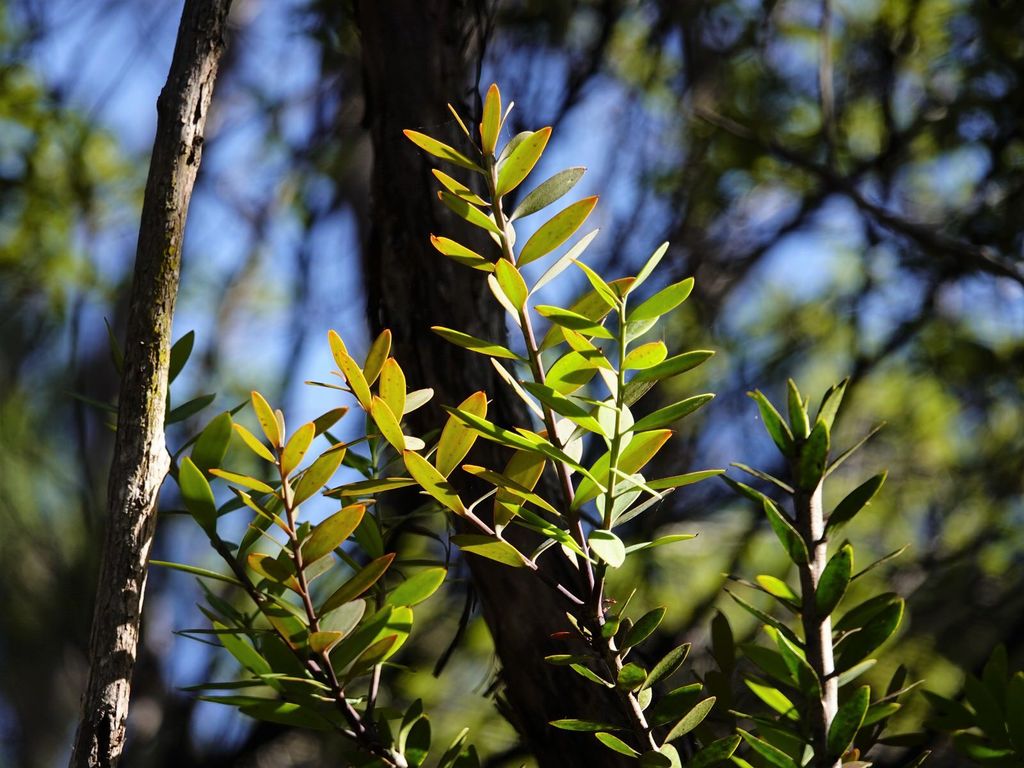
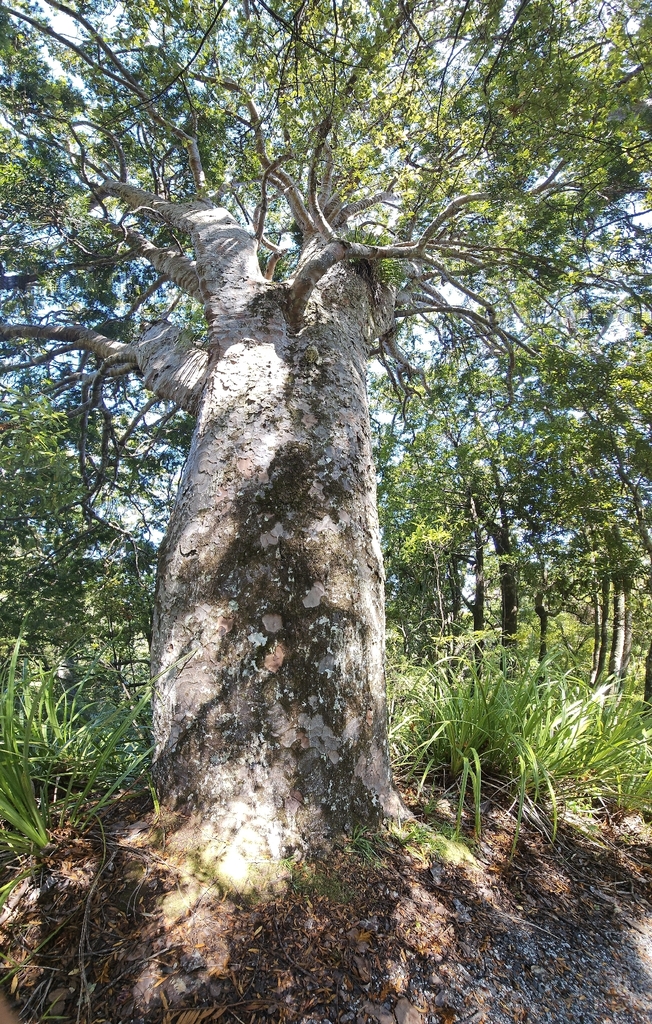
The Kauri is a magnificent, ancient conifer native to New Zealand known for its massive, straight trunk. It grows incredibly slowly and can live for thousands of years in its natural forest habitat. These trees are iconic giants that define the landscape of the North Island.
At a glance
- Care level
- Difficult
- Plant type
- Conifer
- Light
- Full sun to partial shade
- Indoor light
- Bright indirect
- Water
- Every 7 to 14 days
- Mature size
- 50 meters
- Growth rate
- Slow
- Hardiness
- USDA 9 to 11
- Bloom time
- Late spring to early summer
Care
This tree requires significant space and specific environmental conditions to thrive long term. Watch for yellowing needles which often signal poor drainage or incorrect soil acidity. It is best suited for outdoor planting in temperate climates rather than indoor containers.
- Watering
- Keep the soil consistently moist but never waterlogged.
- Feeding
- Apply a balanced, slow release fertilizer during the active growing season.
- Pruning
- Only remove dead or damaged branches to maintain the natural form.
- Repotting
- Repot only when the tree has clearly outgrown its container, as they dislike root disturbance.
- Soil
- Deep, well drained, acidic soil
- Soil pH
- 4.5 to 6.0
- Temperature
- -5 to 35°C
- Humidity
- 60 to 90%
- Drought tolerance
- Moderate
- Lifespan
- Perennial, can live for over 2,000 years.
- Deer and rabbits
- High
Signs it needs repotting
- Roots circling the bottom of the pot
- Water draining through too quickly
- Stunted growth despite proper care
Safety
- People
- There is no evidence that this tree is toxic to humans.
- Children
- The tree is massive and poses no specific ingestion risk, but children should be kept away from falling cones.
- Contact allergens
- The resin can cause mild skin irritation in sensitive individuals.
- Airborne allergens
- Pollen may cause mild respiratory discomfort for those with severe tree pollen allergies.
- Edibility
- The seeds are not typically consumed by humans and are not considered a food source.
How to identify it
- Massive straight grey trunk
- Leathery oval shaped leaves
- Small spherical woody cones
- Exfoliating bark in large flakes
- Height
- 30 to 50m
- Spread
- 10 to 20m
- Leaves
- dark green, evergreen
- Flowers
- yellow, green, 1 to 2cm
- Fruit
- brown, Autumn
Problems to watch for
- Kauri DiebackCommon
- PhytophthoraUncommon
- Root RotUncommon
- Scale InsectsUncommon
Check your kauri from a photo
Pocket Botanist looks at a photo of your plant and tells you what's wrong and what to try first.
Scan with your phone's camera to get the app
Or go to pocketbotanist.app/get on your phone
Growing it
- Propagation
- seed, cuttings
- When to plant
- Spring, Autumn
- Overwintering
- Protect young trees from heavy frost with burlap or frost cloth. Ensure the soil remains well drained to prevent root issues during wet winters.
- In containers
- Not suitable for long term container growth due to its massive ultimate size.
Seed
- Collect fresh cones in autumn.
- Extract seeds and sow immediately in well draining mix.
- Keep moist and warm until germination occurs.
Plant these trees in groups to mimic their natural forest structure and improve soil moisture retention.
Grows well with
- Silver Fern · It thrives in the dappled shade provided by the Kauri canopy.
- Nikau Palm · These plants share similar moisture and shade requirements in a forest setting.
Similar species
- Queensland Kauri · It is a close relative with similar growth habits and appearance.
Science
- Family
- Araucariaceae
- Genus
- Agathis
- Order
- Pinales
- Class
- Pinopsida
- Native range
- Northern New Zealand
- Conservation
- The Kauri is vulnerable due to habitat loss and the spread of Kauri dieback disease.
It dominates the canopy in its native rainforests by creating a unique microclimate for understory plants.
- Value to wildlife
- provides habitat for epiphytes, shelter for native birds
- Pollinators
- bees, beetles
- Uses
- timber, ornamental, ecological restoration
Through the year
Ecological indicators
- Salinity
- 2/9
- Soil reaction
- 4/9
- Light
- 7/9
- Temperature
- 8/9
- Moisture
- 6/9
- Nutrients
- 4/9
Taxonomy resolved against GBIF.
Questions people ask
- Can I grow a Kauri in a pot?
- Only for a few years while it is a juvenile, as it eventually requires significant space.
- How fast do they grow?
- They are quite slow growing, especially in their early years.
Where the name comes from
Agathis comes from the Greek word for a ball of thread, referring to the shape of the cones, while australis means southern.
Good to know
- Kauri trees were once used extensively for shipbuilding.
- They can grow to be over 50 meters tall.
- The bark sheds in large flakes to discourage climbing plants.
- Kauri forests are among the oldest in the world.
Also in
Keep your kauri growing
This page is a general guide. Save your plant in Pocket Botanist and you get care reminders timed for this plant, plus a care history that shows what worked.
Scan with your phone's camera to get the app
Or go to pocketbotanist.app/get on your phone
This guide was generated with AI on and checked against GBIF taxonomy. It is general information, not horticultural or veterinary advice. Read about how we build these guides.