 Pocket Botanist
Guía de plantas
Kauri.
Agathis australis
Pronunciación ah-GAH-thiss oss-TRAH-liss



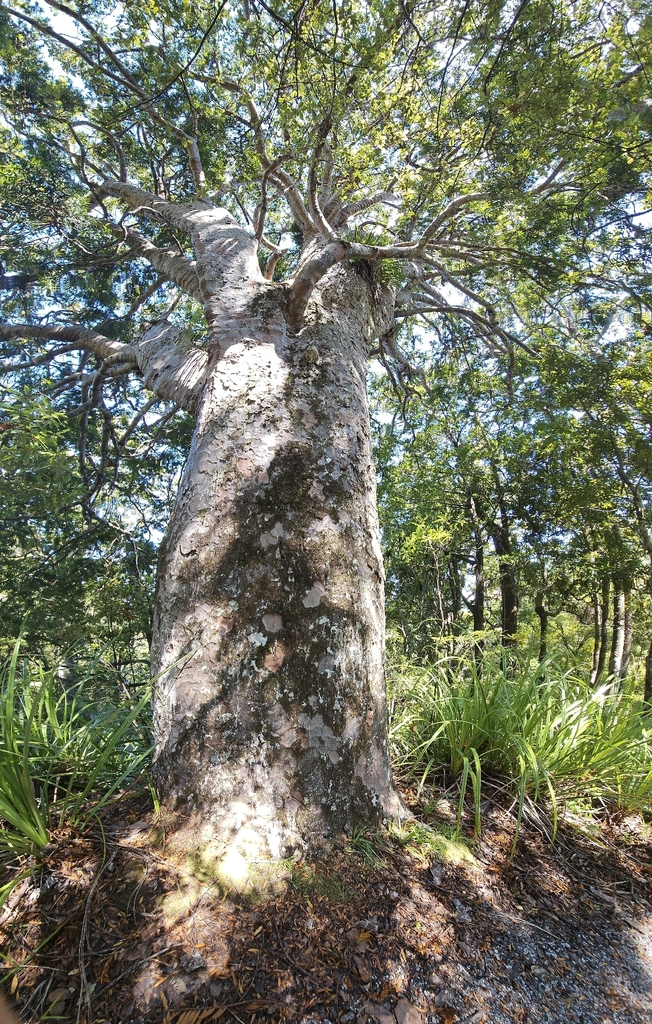
El Kauri es una conífera magnífica y antigua nativa de Nueva Zelanda, conocida por su tronco masivo y recto. Crece increíblemente lento y puede vivir miles de años en su hábitat forestal natural. Estos árboles son gigantes icónicos que definen el paisaje de la Isla Norte.
De un vistazo
- Nivel de cuidados
- Difícil
- Tipo de planta
- Conífera
- Luz
- Pleno sol a sombra parcial
- Luz en interior
- Luz indirecta brillante
- Riego
- Cada 7 a 14 días
- Tamaño adulto
- 50 metros
- Ritmo de crecimiento
- Lento
- Rusticidad
- USDA 9 a 11
- Floración
- Late spring to early summer
Cuidados
Este árbol requiere un espacio considerable y condiciones ambientales específicas para prosperar a largo plazo. Presta atención a las agujas amarillentas, que a menudo señalan un drenaje deficiente o una acidez del suelo incorrecta. Se adapta mejor a la plantación en exteriores en climas templados en lugar de macetas interiores.
- Riego
- Mantén la tierra consistentemente húmeda, pero nunca encharcada.
- Abonado
- Aplica un fertilizante equilibrado de liberación lenta durante la temporada de crecimiento activo.
- Poda
- Solo retira ramas muertas o dañadas para mantener su forma natural.
- Trasplante
- Trasplanta solo cuando el árbol haya superado claramente su contenedor, ya que no les gusta la alteración de las raíces.
- Suelo
- Suelo profundo, bien drenado y ácido
- pH del suelo
- 4.5 a 6.0
- Temperatura
- -5 a 35°C
- Humedad
- 60 a 90%
- Tolerancia a la sequía
- Moderada
- Longevidad
- Perennial, can live for over 2,000 years.
- Resistencia a ciervos y conejos
- Alta
Señales de que necesita trasplante
- Roots circling the bottom of the pot
- Water draining through too quickly
- Stunted growth despite proper care
Seguridad
- Personas
- There is no evidence that this tree is toxic to humans.
- Niños
- The tree is massive and poses no specific ingestion risk, but children should be kept away from falling cones.
- Alérgenos por contacto
- The resin can cause mild skin irritation in sensitive individuals.
- Alérgenos en el aire
- Pollen may cause mild respiratory discomfort for those with severe tree pollen allergies.
- Comestibilidad
- The seeds are not typically consumed by humans and are not considered a food source.
Cómo identificarla
- Tronco masivo recto y gris
- Hojas ovaladas y coriáceas
- Conos leñosos esféricos pequeños
- Corteza exfoliante en escamas grandes
- Altura
- 30 a 50m
- Anchura
- 10 a 20m
- Hojas
- dark green, evergreen
- Flores
- yellow, green, 1 a 2cm
- Frutos
- brown, Autumn
Problemas frecuentes
- Kauri dieback — A soil borne pathogen that causes root rot and eventual tree death.
Cómo cultivarla
- Propagación
- seed, cuttings
- Cuándo plantar
- Spring, Autumn
- Cuidados en invierno
- Protect young trees from heavy frost with burlap or frost cloth. Ensure the soil remains well drained to prevent root issues during wet winters.
- En maceta
- Not suitable for long term container growth due to its massive ultimate size.
Seed
- Collect fresh cones in autumn.
- Extract seeds and sow immediately in well draining mix.
- Keep moist and warm until germination occurs.
Plant these trees in groups to mimic their natural forest structure and improve soil moisture retention.
Buenas compañeras
- Cyathea dealbata — It thrives in the dappled shade provided by the Kauri canopy.
- Rhopalostylis sapida — These plants share similar moisture and shade requirements in a forest setting.
Especies parecidas
- Agathis robusta — It is a close relative with similar growth habits and appearance.
Ciencia
- Familia
- Araucariaceae
- Género
- Agathis
- Orden
- Pinales
- Clase
- Pinopsida
- Distribución natural
- Northern New Zealand
- Conservación
- The Kauri is vulnerable due to habitat loss and the spread of Kauri dieback disease.
It dominates the canopy in its native rainforests by creating a unique microclimate for understory plants.
- Valor para la fauna
- provides habitat for epiphytes, shelter for native birds
- Polinizadores
- abejas, escarabajos
- Usos
- timber, ornamental, ecological restoration
A lo largo del año
Indicadores ecológicos
- Salinidad
- 2/9
- Reacción del suelo
- 4/9
- Luz
- 7/9
- Temperatura
- 8/9
- Humedad
- 6/9
- Nutrientes
- 4/9
Taxonomía cotejada con GBIF.
Lo que más preguntan
- Can I grow a Kauri in a pot?
- Only for a few years while it is a juvenile, as it eventually requires significant space.
- How fast do they grow?
- They are quite slow growing, especially in their early years.
De dónde viene el nombre
Agathis comes from the Greek word for a ball of thread, referring to the shape of the cones, while australis means southern.
Bueno saberlo
- Kauri trees were once used extensively for shipbuilding.
- They can grow to be over 50 meters tall.
- The bark sheds in large flakes to discourage climbing plants.
- Kauri forests are among the oldest in the world.
También en
¿Tu kauri tiene mal aspecto?
Esta página es una guía general. Pocket Botanist diagnostica problemas a partir de una foto de tu propia planta, calcula el riego según tu luz y tus condiciones, y te avisa cuando toca cuidarla.
Esta guía se ha generado con IA y se ha cotejado con la taxonomía de GBIF. Es información general, no asesoramiento botánico ni veterinario. Descubre cómo elaboramos estas guías.