 Pocket Botanist
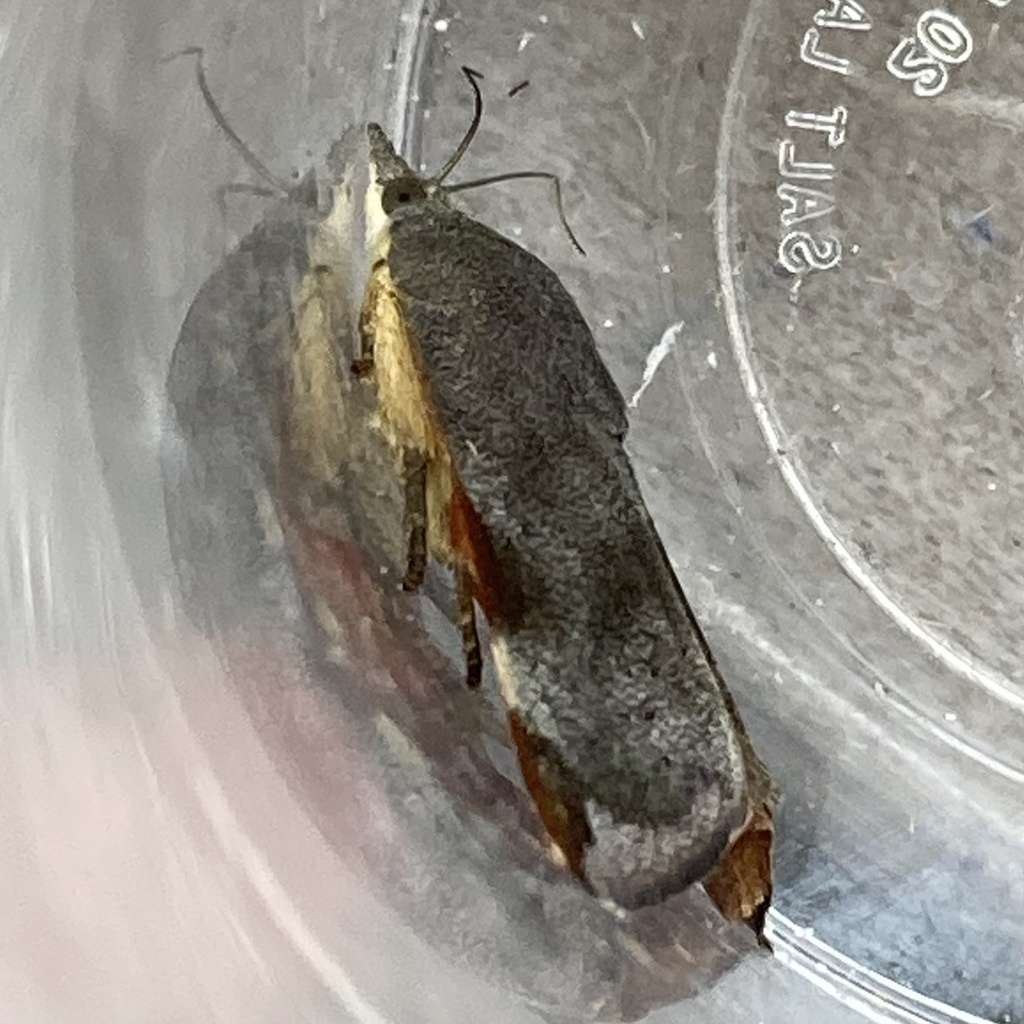
Symptoms by part
Leaves
Small holes appear as young larvae feed, eventually progressing to skeletonized leaves where only the veins remain, and in severe cases, complete defoliation occurs.
Causes
- Warm and humid weather conditions that favor rapid moth reproduction.
- High density of host trees in a single area which allows larvae to move easily between plants.
Could be confused with
- Teak Skeletonizer · The skeletonizer creates distinct, webbed shelters on the underside of leaves, whereas the defoliator typically feeds more openly.
Find out what's really wrong with your plant
Problems that look alike are easy to mix up. Pocket Botanist looks at a photo of your actual plant and tells you what's going on, how serious it is, and what to try first. Identification and a health check are free.



Scan with your phone's camera to get the app
Or go to pocketbotanist.app/get on your phone
Treatment
- 1. Manually pick off visible larvae from the leaves during the early morning hours when they are most active.
- 2. Prune and destroy heavily infested branches to reduce the immediate population on the tree.
- 3. Apply a biological control agent to the foliage to target the larvae while they are feeding.
Without chemicals
- Encourage natural predators like birds and parasitic wasps in the area.
- Remove fallen leaves and debris from around the base of the tree to disrupt the pupation cycle.
Chemical options
- Bacillus thuringiensis, apply as a spray to the foliage when larvae are young, follow the label.
Preventing it
- Maintain healthy trees through proper spacing to prevent overcrowding.
- Promote biodiversity in the surrounding landscape to support natural enemies of the moth.
Season
The warm growing season.
Spread risk
High
Severity
Moderate
When to act
Act as soon as you notice early signs of leaf feeding to prevent widespread damage. If the tree is too tall to reach safely, consult a professional tree surgeon for assistance.
Keep your plants healthy from here
Save your plants in Pocket Botanist and you get care reminders timed for each one, plus a care history that shows what worked. Identification and a health check are free.
Questions people ask
- Will my teak tree die if it loses all its leaves?
- Usually not, as the tree will often flush new growth, but repeated defoliation over several seasons will significantly weaken the tree.
- Can I just wash the larvae off with water?
- A strong stream of water can dislodge some larvae, but it is rarely enough to control a significant infestation on its own.
Plants it affects
This guide was generated with AI on and is general information, not horticultural advice. Read about how we build these guides.